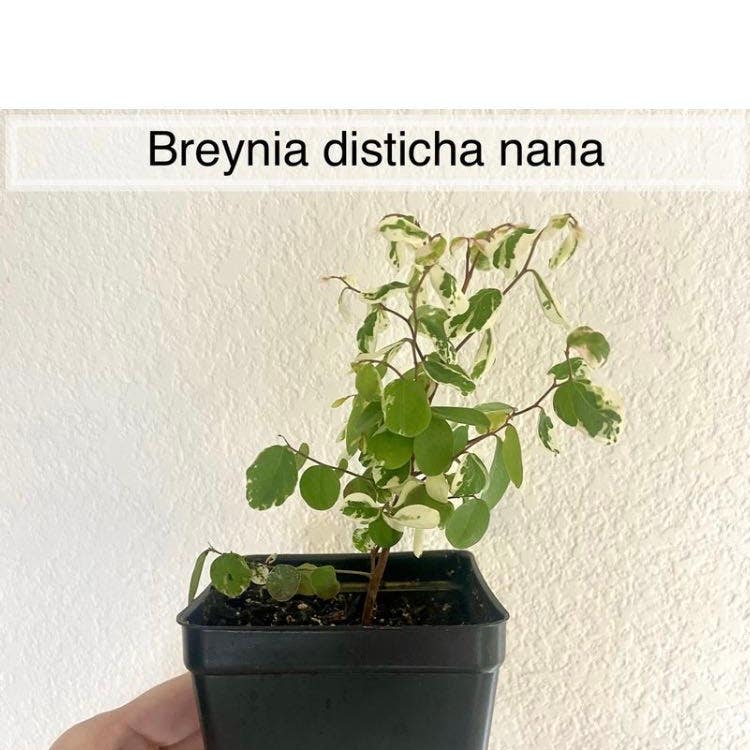
❄️ 3 Essential Outdoor Mini Snow Bush Care Routines
Breynia disticha 'Nivosa'
By the Greg Editorial Team
Oct 16, 2024•8 min read
This article was created with the help of AI so we can cover more plants for you. May contain errors. See one? Report it here.
Transform your mini snow bushes 🌱 into vibrant beauties with essential care tips for sunlight and watering!
- ☀️ Mini snow bushes need 6-8 hours of sunlight daily for healthy growth.
- 💧 Water sparingly; let soil dry completely to prevent root rot.
- 🌱 Fertilize twice yearly with balanced nutrients for robust growth and vibrant leaves.
Sunlight Needs
Optimal Sunlight Exposure 🌞
Outdoor mini snow bushes thrive in full sun, requiring 6-8 hours of direct sunlight daily. This exposure is crucial as it promotes healthy growth and vibrant flowering, ensuring your plants reach their full potential.
Signs of Insufficient Sunlight 🌑
If your snow bush is not getting enough sunlight, you might notice etiolated growth, characterized by stretched stems and sparse foliage. Additionally, keep an eye out for leaf discoloration, such as yellowing or browning leaves, which signals that your plant is struggling.
Understanding these sunlight needs is essential for maintaining the health of your mini snow bushes. Next, let’s explore their watering requirements to keep them thriving.
Watering Requirements
🌧️ General Watering Guidelines
Outdoor mini snow bushes thrive on minimal watering. It's crucial to let the soil dry out completely between waterings, which helps prevent root rot.
During the growing season, aim to water every 2-3 weeks. This frequency keeps your plants hydrated without overwhelming them.
🚫 Signs of Overwatering
Overwatering can lead to serious issues. Look out for leaf rot, where leaves become soft and mushy, indicating root rot beneath the surface.
Another red flag is wilting despite moisture in the soil. This often points to poor drainage, which can be detrimental to your plant's health.
By mastering these watering requirements, you can ensure your mini snow bushes flourish beautifully. Next, let’s explore the ideal soil preferences for optimal growth.
Soil Preferences
Ideal Soil Composition 🌱
For your outdoor mini snow bush, well-draining soil is crucial. A cactus or succulent mix works wonders, ensuring that excess moisture drains away, preventing root rot.
The ideal soil pH should be slightly acidic to neutral, ranging from 6.0 to 7.0. This balance supports healthy growth and flowering, making it essential for your plant's vitality.
Soil Preparation Tips 🛠️
To enhance drainage, consider incorporating sand or perlite into your soil mix. These amendments create air pockets, allowing water to flow freely and preventing soggy roots.
Testing soil drainage is a straightforward process. After watering, check if the water drains quickly; if it pools, you may need to adjust your soil composition for optimal health.
With the right soil setup, your mini snow bush will thrive, setting the stage for vibrant growth and stunning blooms. Next, let’s explore the fertilization guidelines that will keep your plant nourished and flourishing.
Fertilization Guidelines
Fertilization Schedule 🌱
To keep your outdoor mini snow bush thriving, fertilize it twice a year. Aim for early spring and mid-summer, using a diluted, balanced liquid fertilizer with an NPK ratio of 10-10-10.
This schedule ensures your plant gets the nutrients it needs during its active growth periods. Consistency is key for vibrant blooms and robust growth.
Signs of Nutrient Deficiency ⚠️
Watch for signs that your plant might be lacking essential nutrients. Stunted growth is a common indicator, where the bush appears sluggish and lacks vigor.
Additionally, yellowing leaves can signal nutrient needs. If you notice these symptoms, it’s time to reassess your fertilization routine.
By keeping an eye on these signs, you can ensure your mini snow bush remains healthy and vibrant. Now, let’s explore how to plant these beauties effectively!
Planting Options
🌱 Container Planting: Benefits and Drawbacks
Benefits
Container planting offers remarkable mobility. You can easily move your mini snow bush to ensure it gets optimal sunlight or protection from harsh weather.
Another advantage is the controlled environment. With containers, you have better control over soil quality and drainage, which is crucial for healthy growth.
Drawbacks
However, container planting comes with its challenges. The limited root space means your plant may require more frequent watering to stay healthy.
Additionally, containers are more susceptible to temperature fluctuations. They can heat up quickly in the sun or cool down rapidly at night, which can stress your plant.
🌍 Ground Planting: Benefits and Drawbacks
Benefits
Ground planting allows for natural growth. Your mini snow bush has more space for roots to expand, promoting a healthier plant overall.
Moreover, it typically requires less frequent watering. The soil retains moisture longer, making it easier to maintain hydration levels.
Drawbacks
On the downside, ground planting offers less control over the environment. Your plants may be more vulnerable to pests and diseases lurking in the soil.
Lastly, the soil quality can be an issue. You might need to amend the soil to ensure it meets the needs of your mini snow bush, which can add to your workload.
Understanding these planting options can help you make informed decisions for your mini snow bush care. Next, let’s explore the essential weather protection strategies to keep your plants thriving.
Weather Protection
Protecting from Extreme Weather Conditions 🌪️
Extreme weather can be a challenge for outdoor mini snow bushes. For frost protection, consider using frost cloths or bringing containers indoors during cold snaps.
In hot weather, providing shade is crucial to prevent sunburn on your plants. A simple shade cloth can make a significant difference in keeping your plants healthy.
Seasonal Changes and Their Impact 🍂
Understanding seasonal shifts is vital for effective care. Adjust your routines based on temperature and precipitation changes to ensure your plants thrive.
Keep an eye on weather forecasts to anticipate extreme weather events. Proactive care can save your plants from unnecessary stress and damage.
Pest and Disease Management
🐜 Common Outdoor Pests
Aphids
Aphids are tiny pests that can wreak havoc on your mini snow bush. Look for sticky residue on leaves and curled foliage, which are telltale signs of an infestation.
To control aphids, consider using neem oil or insecticidal soap. These methods are effective and eco-friendly, helping you keep your plants healthy without harsh chemicals.
Mealybugs
Mealybugs are another common nuisance. You’ll recognize them by their white, cotton-like masses on stems and leaves.
For control, manual removal works well. Simply wipe them off with a cloth or use alcohol swabs to eliminate them effectively.
🚫 Disease Prevention Strategies
Good air circulation is crucial for preventing diseases. Space your plants adequately to reduce humidity, which can lead to fungal issues.
Regular inspections are key to early detection. By checking your plants frequently, you can catch pests and diseases before they become a bigger problem.
With these strategies in place, your outdoor mini snow bush will thrive, free from the threats of pests and diseases. Next, let’s explore seasonal care routines to keep your plants in top shape throughout the year.
Seasonal Care Routines
Spring Care: Preparing for Growth 🌱
Spring is the season of renewal, making it the perfect time to prepare your mini snow bush for growth. Start by pruning away any dead or damaged leaves; this encourages fresh growth and keeps your plant looking its best.
Next, apply a balanced fertilizer to support new growth. This simple step can make a significant difference in the health and vibrancy of your plant.
Summer Care: Maintenance and Monitoring ☀️
As the temperatures rise, it's crucial to keep an eye on your plant's watering needs. Monitor the soil moisture regularly and adjust your watering frequency as necessary to prevent stress.
Additionally, conduct pest checks to catch any infestations early. Regular inspections can save your plant from potential damage and keep it thriving.
Fall Care: Preparing for Dormancy 🍂
As summer fades, it's time to prepare your mini snow bush for dormancy. Start by reducing watering; this helps the plant acclimate to the cooler temperatures ahead.
Mulching is another essential task during fall. Applying a layer of mulch can protect the roots from temperature fluctuations and retain soil moisture.
Winter Care: Protecting from Cold ❄️
Winter brings unique challenges, especially for container plants. Move pots indoors or to a sheltered location to shield them from harsh conditions.
Lastly, ensure frost protection by using protective coverings during extreme cold. This simple measure can safeguard your plant and ensure it emerges healthy in spring.
Transitioning through the seasons requires attention and care, but with these routines, your mini snow bush will thrive year-round. Next, let’s explore climate zone considerations to further enhance your gardening success.
Climate Zone Considerations
Best Zones for Growth 🌱
For outdoor mini snow bushes, USDA zones 9-11 are ideal for optimal growth. These zones provide the warmth and sunlight these plants crave, ensuring they thrive and bloom beautifully.
In colder climates, consider container gardening. This method allows for easier protection against harsh weather, giving you the flexibility to move your plants indoors when temperatures drop.
Adjusting Care Based on Climate ☀️
In hot climates, increase your watering frequency. Providing afternoon shade can also help prevent sunburn and keep your plants healthy.
For cold climates, implement frost protection strategies. Regularly monitor for frost damage to ensure your mini snow bushes remain robust through the winter months.
With the right adjustments based on your climate, you can enjoy vibrant growth and stunning blooms year-round.
⚠️ Safety First
This content is for general information and may contain errors, omissions, or outdated details. It is not medical, veterinary advice, or an endorsement of therapeutic claims.
Always consult a qualified healthcare professional before using any plant as food, medicine, or supplement.
Never eat any plant (or feed one to pets) without confirming its identity with at least two trusted sources.
If you suspect poisoning, call Poison Control (800) 222-1222, the Pet Poison Helpline (800) 213-6680, or your local emergency service immediately.
Spotted an error? Please report it here.
Keep your outdoor mini snow bushes thriving all year 🌱 with Greg's tailored watering alerts and soil tips that ensure they get just the right care they need!