❄️ How to Cure Black Spots on Your Mini Snow Bush
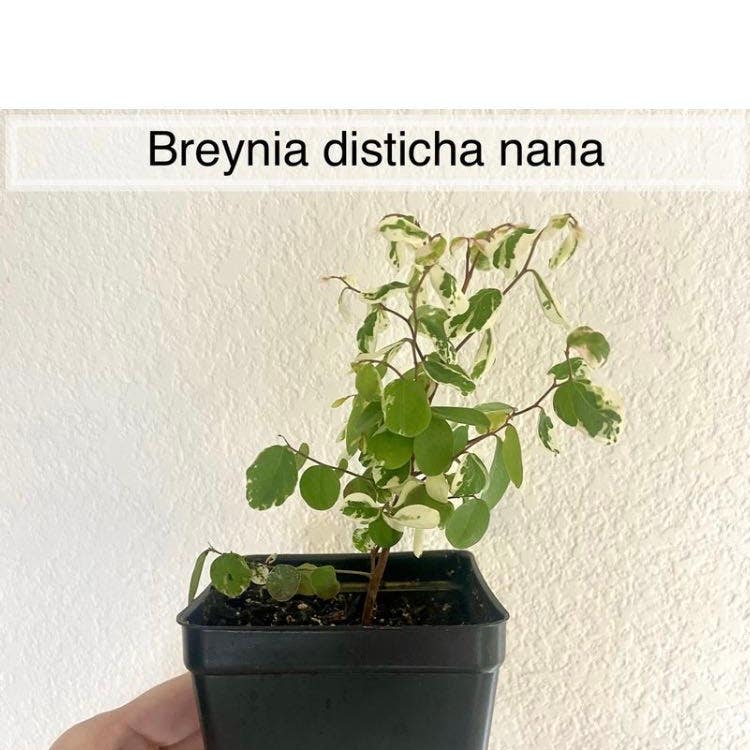
Breynia disticha 'Nivosa'
By the Greg Editorial Team
Oct 16, 2024•5 min read
This article was created with the help of AI so we can cover more plants for you. May contain errors. See one? Report it here.
Save your mini snow bush from unsightly black spots with these vital care tips and treatment strategies! 🌿
- 🌱 Black spots often stem from fungal infections; identify symptoms for accurate diagnosis.
- 💨 Humidity and air circulation are crucial; improve ventilation to combat fungal issues.
- 🧪 Nutrient deficiencies and pests can worsen black spots; monitor and treat promptly.
Causes of Black Spots
🦠 Fungal Infections and Diseases
Fungal infections are a primary culprit behind black spots on your mini snow bush. Leaf spot disease is particularly common, characterized by dark, circular spots that can quickly spread if left untreated.
High humidity and poor air circulation create ideal conditions for these fungal diseases to thrive. Keeping your plant in a well-ventilated area can help mitigate this risk.
🌧️ Environmental Stress Factors
Humidity levels play a significant role in plant health. Excessive moisture can lead to fungal infections, while temperature fluctuations can stress the plant, making it more vulnerable to diseases.
Extreme heat or cold can weaken your mini snow bush, leading to black spots as it struggles to cope with environmental changes. Monitoring these conditions is crucial for maintaining plant vitality.
🥦 Nutrient Deficiencies
Nutrient deficiencies can also manifest as black spots. A nitrogen deficiency often results in yellowing leaves accompanied by dark spots, signaling that your plant isn't getting the nutrients it needs.
Similarly, potassium deficiency can weaken the plant's structure, making it more susceptible to diseases. Ensuring a balanced nutrient supply is essential for healthy growth.
🐜 Pest Infestations
Pests can exacerbate the issue of black spots on your mini snow bush. Aphids are notorious for curling leaves and leaving behind a sticky residue, which can lead to further complications.
Spider mites are another concern, often presenting symptoms like fine webbing and stippled leaves. These pests can create an environment ripe for black spots, so regular inspections are vital for early detection.
Understanding these causes is the first step in effectively treating and preventing black spots on your mini snow bush. Next, we'll explore how to diagnose these issues accurately.
Diagnosing Black Spots
🕵️♂️ Identifying Symptoms and Patterns
To effectively diagnose black spots on your mini snow bush, start by observing the leaf patterns. Look for circular spots, which often indicate fungal issues, versus irregular patches that may suggest other problems.
Timing is also crucial. Note when the black spots appear—seasonal trends can provide insights into underlying causes and help you take timely action.
🦠 Differentiating Between Fungal and Pest-Related Issues
Next, differentiate between fungal and pest-related issues. Fungal infections typically present as dark, circular spots often surrounded by yellow halos.
In contrast, pest infestations reveal themselves through visible insects, fine webbing, or sticky residue on the leaves. Identifying these signs early can save your plant from further damage.
🌧️ Assessing Environmental Conditions
Environmental conditions play a significant role in the health of your mini snow bush. Evaluate humidity and temperature levels to ensure they align with the plant's needs.
Additionally, check soil moisture levels. Overwatering can lead to root rot, while underwatering stresses the plant, making it more susceptible to black spots. Regular monitoring is key to maintaining a healthy environment.
By understanding these diagnostic steps, you can effectively address the black spots on your mini snow bush and set the stage for successful treatment options.
Treatment Options
🌱 Organic Fungicides and Their Application
When it comes to treating black spots on your mini snow bush, organic fungicides are a great first step. Neem oil and sulfur-based fungicides are highly recommended for their effectiveness and safety.
Apply these products every 7-14 days during the plant's active growth phase. This consistent application helps to keep fungal infections at bay.
⚗️ Chemical Treatments for Severe Infections
For more severe infections, chemical fungicides may be necessary. You can choose between systemic fungicides, which are absorbed by the plant, and contact fungicides, which act on the surface.
Always prioritize safety by wearing gloves and masks during application. This ensures you protect yourself while treating your beloved plant.
💧 Adjusting Watering Practices
Watering practices play a crucial role in plant health. Allow the soil to dry slightly between waterings to prevent excess moisture, which can lead to fungal growth.
Be on the lookout for signs of overwatering, such as wilting, yellowing leaves, and root rot. These indicators can help you adjust your watering schedule effectively.
✂️ Pruning Affected Leaves
Pruning is an essential step in managing black spots. It's best to prune at the first sign of black spots to prevent further spread.
Use clean, sharp tools for pruning to avoid spreading any potential disease. This simple act can significantly improve your plant's health and appearance.
As you implement these treatment options, remember that prevention is just as important. Let’s explore some preventive measures to keep your mini snow bush thriving.
Preventive Measures
Proper Watering Techniques 🌊
Deep watering is essential for encouraging robust root growth in your mini snow bush. Aim to let the soil dry slightly between waterings to prevent over-saturation.
Ensuring Adequate Sunlight Exposure ☀️
Your plant needs 4-6 hours of indirect sunlight daily to thrive. If you notice stretching stems or pale leaves, it’s a sign that your mini snow bush isn’t getting enough light.
Soil Health and Amendments 🌱
Using a well-draining potting mix is crucial for maintaining soil health. Consider incorporating compost or slow-release fertilizers to provide essential nutrients.
Regular Monitoring for Pests 🐞
Make it a habit to inspect your plant weekly for any signs of pests. Introducing beneficial insects like ladybugs can help keep harmful pests at bay.
By implementing these preventive measures, you can significantly reduce the risk of black spots on your mini snow bush. Next, let’s explore effective treatment options if black spots do appear.
⚠️ Safety First
This content is for general information and may contain errors, omissions, or outdated details. It is not medical, veterinary advice, or an endorsement of therapeutic claims.
Always consult a qualified healthcare professional before using any plant as food, medicine, or supplement.
Never eat any plant (or feed one to pets) without confirming its identity with at least two trusted sources.
If you suspect poisoning, call Poison Control (800) 222-1222, the Pet Poison Helpline (800) 213-6680, or your local emergency service immediately.
Spotted an error? Please report it here.
Transform your mini snow bush into a spotless beauty 🌿 with Greg's tailored care reminders and expert tips to keep those black spots at bay!