❄️ Optimal Temperature for Your Mini Snow Bush
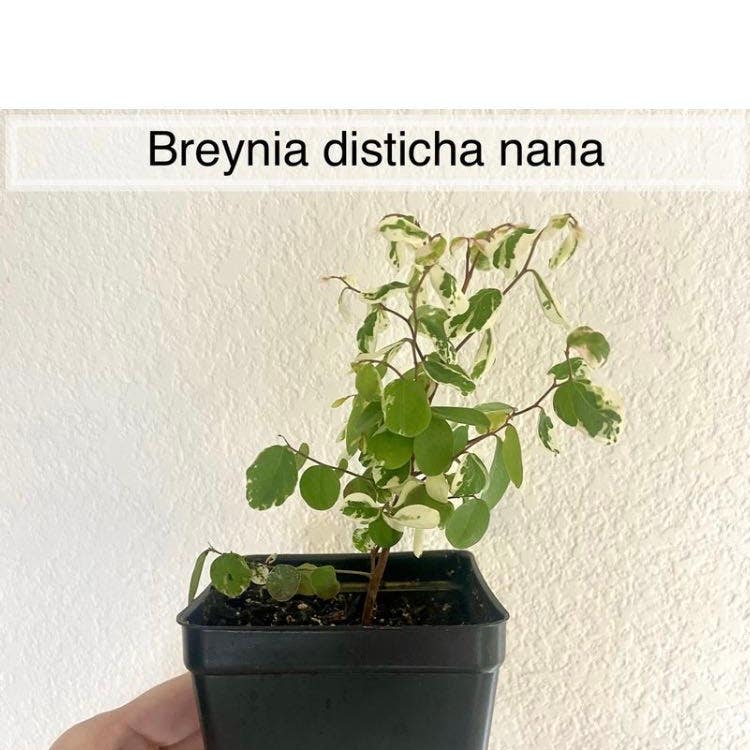
Breynia disticha 'Nivosa'
By the Greg Editorial Team
Oct 16, 2024•2 min read
This article was created with the help of AI so we can cover more plants for you. May contain errors. See one? Report it here.
Unlock vibrant growth for your Mini Snow Bush 🌿 by mastering its ideal temperature needs!
- 🌡️ Mini Snow Bush thrives between 65°F to 80°F (18°C to 27°C) for optimal growth.
- ❗️ Temperature stress signs include leaf discoloration, wilting, and premature leaf drop.
- 🌿 Stable indoor conditions are essential; protect from extremes for healthy plants.
Temperature Requirements for Mini Snow Bush
🌡️ Ideal Temperature Range for Growth
The Mini Snow Bush flourishes in a cozy temperature range of 65°F to 80°F (18°C to 27°C). It thrives best in warm, well-drained environments, making consistent temperatures crucial for its healthy growth.
🚨 Signs of Temperature Stress
👀 Visual Indicators of Stress
Keep an eye out for leaf discoloration, which can manifest as yellowing or browning. Wilting leaves often indicate a lack of water uptake, while premature leaf drop signals stress.
🐢 Behavioral Changes
Temperature stress can lead to stunted growth, where the plant's growth patterns slow or halt altogether. Additionally, you might notice reduced flowering, with fewer blooms or delayed flowering cycles.
⚠️ Causes of Temperature Stress
🌪️ Sudden Temperature Changes
Rapid fluctuations can shock the Mini Snow Bush, triggering various stress symptoms. For instance, moving it from a controlled indoor environment to an outdoor setting can be particularly jarring.
❄️ Prolonged Exposure to Extreme Heat or Cold
Extended periods above 90°F (32°C) can cause heat stress, while temperatures below 50°F (10°C) can lead to cold stress. Both extremes can significantly impact the plant's health.
🌍 Geographic Considerations
🌴 Best Climates for Growing Mini Snow Bush
Tropical and subtropical climates are ideal for growing the Mini Snow Bush. In contrast, temperate zones present challenges that can hinder its growth.
🏠 Indoor vs. Outdoor Temperature Management
Indoors, maintaining stable temperatures is key, often achieved through heating or cooling systems. Outdoors, consider strategies to protect your plants from temperature extremes, ensuring they remain healthy.
💧 Brief Mention of Humidity
Low humidity can exacerbate heat stress, making it essential to monitor moisture levels in the air. Keeping an eye on humidity can help your Mini Snow Bush thrive even in warmer conditions.
With a solid understanding of temperature requirements, you're well-equipped to nurture your Mini Snow Bush. Next, let’s explore how to create the perfect growing environment for this beautiful plant.
⚠️ Safety First
This content is for general information and may contain errors, omissions, or outdated details. It is not medical, veterinary advice, or an endorsement of therapeutic claims.
Always consult a qualified healthcare professional before using any plant as food, medicine, or supplement.
Never eat any plant (or feed one to pets) without confirming its identity with at least two trusted sources.
If you suspect poisoning, call Poison Control (800) 222-1222, the Pet Poison Helpline (800) 213-6680, or your local emergency service immediately.
Spotted an error? Please report it here.
Keep your Mini Snow Bush thriving 🌱 by using Greg's tailored tips to maintain that perfect temperature range and create an ideal environment for growth!