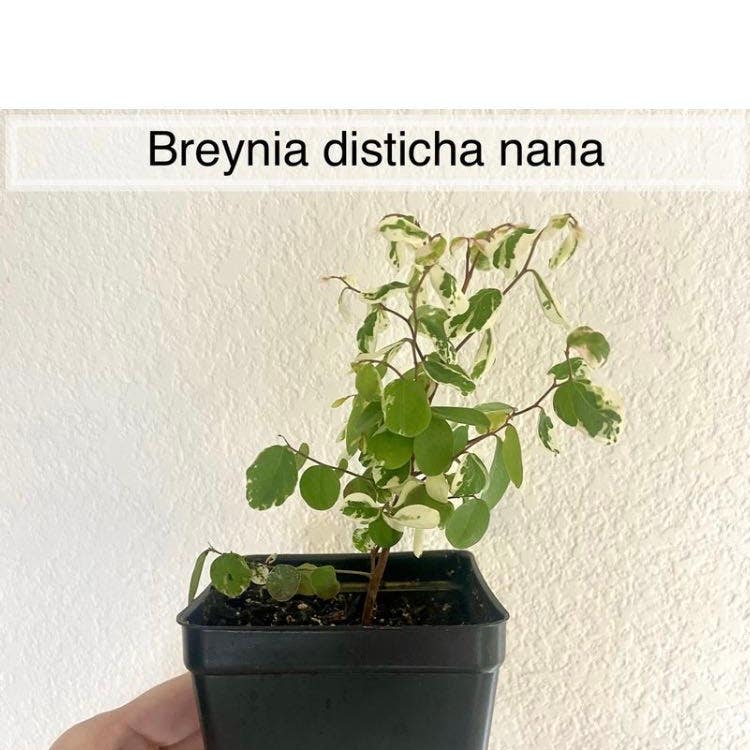
❄️ 4 Tips for Growing Mini Snow Bush Indoors
Breynia disticha 'Nivosa'
By the Greg Editorial Team
Oct 16, 2024•5 min read
This article was created with the help of AI so we can cover more plants for you. May contain errors. See one? Report it here.
Elevate your indoor garden 🌱 with expert tips to keep your Mini Snow Bush thriving and vibrant!
- 🌞 Mini Snow Bush needs 6-8 hours of bright, indirect sunlight daily for optimal growth.
- 💧 Water every 1-2 weeks, ensuring soil dries out to prevent root rot.
- 🌬️ Maintain humidity between 50-70% to avoid leaf curling and browning.
Light Requirements
Ideal Conditions 🌞
To thrive, your Mini Snow Bush needs bright, indirect sunlight for about 6-8 hours daily. Without this optimal light exposure, you may notice dull foliage and stunted growth.
Role of Grow Lights 💡
If natural light is scarce in your indoor space, grow lights become essential. They provide consistent light levels, promoting enhanced growth and vitality.
Choosing the Best Grow Light 🛠️
When selecting a grow light, you have options like LED and fluorescent. For small indoor spaces, a wattage of 20-40 watts is recommended to ensure your plant gets enough energy.
Light Spectrum
Opt for full-spectrum lights to support balanced growth. This type of light mimics natural sunlight, helping your Mini Snow Bush flourish indoors.
With the right light conditions established, you can now focus on the watering needs of your Mini Snow Bush to keep it healthy and vibrant.
Watering Needs
Frequency and Amount 🌊
Watering your Mini Snow Bush is crucial for its health. Aim to water every 1-2 weeks, ensuring the soil dries out between waterings.
When you do water, give it a good soak until water drains from the bottom of the pot. This ensures that the roots receive adequate moisture without becoming waterlogged.
Signs of Overwatering and Underwatering 🚨
It's essential to recognize the signs of overwatering. Look for yellowing leaves, mushy stems, and root rot as indicators that your plant is getting too much water.
On the flip side, underwatering can also harm your Mini Snow Bush. Watch for wilting leaves, dry soil, and leaf drop, which signal that your plant needs a drink.
By keeping an eye on these signs, you can maintain a healthy watering routine that supports vibrant growth. Next, let’s explore the ideal humidity and temperature conditions for your plant.
Humidity and Temperature
Ideal Levels 🌧️
Maintaining humidity between 50-70% is crucial for the mini snow bush's optimal growth. Low humidity can lead to leaf curling and browning, signaling that your plant is unhappy.
Temperature Preferences 🌡️
The ideal temperature range for your mini snow bush is between 65°F to 80°F (18°C to 27°C). Protect your plant from drafts and sudden temperature changes to ensure it thrives.
Humidity Control Methods 💧
Using a humidifier can help maintain consistent humidity levels in your indoor environment. If you prefer alternatives, consider using pebble trays or grouping your plants together to enhance humidity through transpiration.
With the right humidity and temperature, your mini snow bush will flourish. Next, let’s explore the best soil and fertilization practices to keep your plant healthy and vibrant.
Soil and Fertilization
Best Soil Type 🌱
For your mini snow bush, a well-draining potting mix is essential. Consider adding perlite or sand to enhance drainage, which helps prevent root rot and supports healthy growth.
Fertilization Schedule 🗓️
Fertilizing every 4-6 weeks during the growing season keeps your plant thriving. Use a balanced liquid fertilizer, like NPK 10-10-10, but remember to dilute it to half strength for the best results.
With the right soil and fertilization practices, your mini snow bush will flourish. Next, let’s explore how to tackle common issues that may arise during its growth.
Common Issues and Solutions
🐛 Pests and Diseases
Common Pests
Mini Snow Bushes can attract a few pesky pests.
- Aphids: Look for sticky residue on leaves and curled foliage.
- Spider Mites: Fine webbing and yellowing leaves are telltale signs.
Prevention and Treatment
Regular inspections are key to keeping your plant healthy.
- Early Detection: Catching pests early makes treatment easier.
- Organic Control: Use neem oil or insecticidal soap for effective, eco-friendly solutions.
🌧️ Environmental Stress
Signs of Stress
Your Mini Snow Bush will show signs when it's not happy.
- Leaf Drop: This often indicates poor light or watering issues.
- Stunted Growth: Inadequate humidity or temperature can lead to this frustrating problem.
Solutions
Adjustments can make a world of difference for your plant.
- Light Exposure: Move your plant closer to a light source if it's struggling.
- Watering Habits: Ensure proper drainage and moisture levels to keep your bush thriving.
By staying vigilant and making small adjustments, you can keep your Mini Snow Bush healthy and vibrant. Next, let’s explore how to optimize its placement and maintenance for even better growth!
Placement and Maintenance
🌍 Best Placement
Ideal Locations
For your mini snow bush, the best spots are near east or west-facing windows. This positioning ensures they receive optimal light, which is crucial for their growth.
Grouping your mini snow bush with other plants can also be beneficial. It enhances humidity levels through transpiration, creating a mini ecosystem that your plant will thrive in.
Avoiding Drafts
Keep your mini snow bush away from air conditioning vents and heaters. This helps prevent temperature fluctuations that can stress the plant.
✨ Maintaining Appearance
Pruning and Grooming
Regular pruning is essential for encouraging bushier growth. It also helps keep your plant looking tidy by removing dead leaves.
Aim to groom your mini snow bush every few months or as needed. This simple maintenance keeps it healthy and vibrant.
Seasonal Adjustments
As the seasons change, adjust your watering and humidity levels accordingly. Indoor climates can vary, so it's important to respond to these changes.
Don't forget to monitor light exposure as daylight hours fluctuate. Moving your plant to a brighter spot can make a significant difference in its health and appearance.
With these placement and maintenance tips, your mini snow bush will flourish indoors. Next, let’s explore the soil and fertilization needs to keep it thriving.
⚠️ Safety First
This content is for general information and may contain errors, omissions, or outdated details. It is not medical, veterinary advice, or an endorsement of therapeutic claims.
Always consult a qualified healthcare professional before using any plant as food, medicine, or supplement.
Never eat any plant (or feed one to pets) without confirming its identity with at least two trusted sources.
If you suspect poisoning, call Poison Control (800) 222-1222, the Pet Poison Helpline (800) 213-6680, or your local emergency service immediately.
Spotted an error? Please report it here.
Nurture your Mini Snow Bush to lush perfection 🌿 with Greg's tailored watering alerts and light tips that keep your plant thriving indoors!