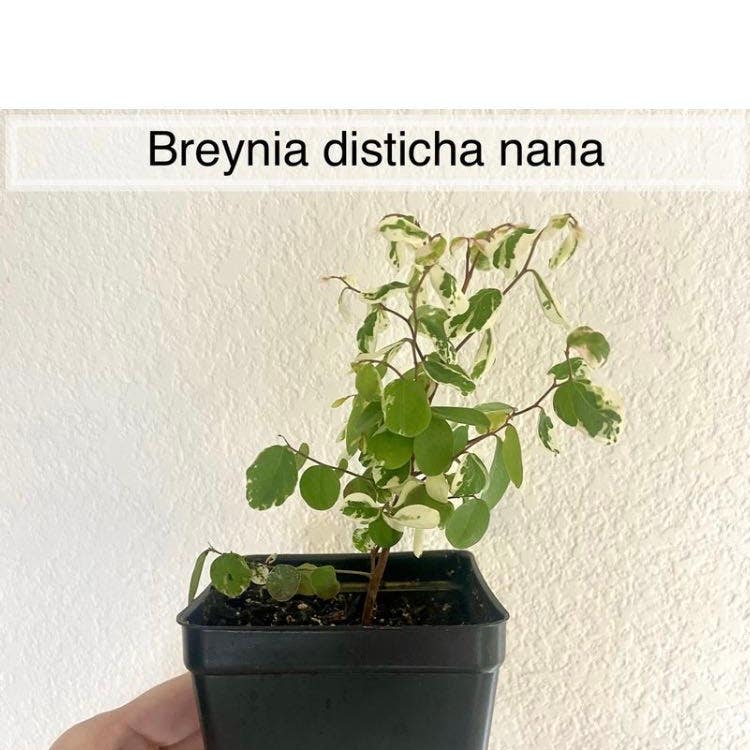
❄️ Managing Direct Sunlight for Your Mini Snow Bush
Breynia disticha 'Nivosa'
By the Greg Editorial Team
Oct 16, 2024•4 min read
This article was created with the help of AI so we can cover more plants for you. May contain errors. See one? Report it here.
Unlock vibrant growth for your Mini Snow Bush 🌱 by mastering its sunlight needs for optimal health and beauty!
- 🌞 Mini Snow Bush thrives in bright, indirect sunlight; avoid harsh afternoon rays.
- 🌿 Signs of too much sunlight include yellowing leaves and leaf drop; adjust accordingly.
- 🪴 Best locations are near east or west-facing windows for balanced light exposure.
Sunlight Requirements of Mini Snow Bush
Ideal Light Conditions 🌞
Bright light is essential for the healthy growth of your Mini Snow Bush. It thrives in bright, indirect sunlight but can tolerate some direct sunlight.
Tolerance of Direct Sunlight ☀️
This plant can handle short periods of direct sunlight, especially in the morning. However, it's best to limit exposure to harsh afternoon sun to prevent stress.
Effects of Too Much Direct Sunlight 🚨
If your Mini Snow Bush receives too much direct sunlight, you may notice signs of stress such as leaf drop, discoloration, and leggy growth. Long-term exposure can lead to plant decline and reduced health, so it's crucial to monitor its light conditions closely.
Understanding these sunlight requirements will help you create the perfect environment for your Mini Snow Bush, ensuring it remains vibrant and healthy. Next, let’s explore the environmental factors that can influence its light exposure.
Environmental Factors
🌞 Role of Window Direction
The direction of your windows plays a crucial role in how much sunlight your Mini Snow Bush receives. South-facing windows are the champions here, soaking up the most direct sunlight throughout the day, which can be beneficial for your plant's growth.
On the other hand, north-facing windows typically offer indirect light. This softer lighting is often more suitable for your Mini Snow Bush, allowing it to thrive without the risk of sunburn.
🌍 Impact of Hemispheres on Sunlight
Understanding your geographical location is essential for optimal plant care. In the Northern Hemisphere, longer days in summer mean more sunlight, while shorter winter days can limit light availability.
Conversely, the Southern Hemisphere experiences the opposite seasonal effects. Being aware of these local conditions can help you adjust your Mini Snow Bush's placement for the best light exposure throughout the year.
This knowledge sets the stage for practical tips on managing your plant's light needs effectively.
Practical Tips for Plant Parents
Best Locations in the Home 🌅
Finding the right spot for your Mini Snow Bush is crucial. Ideally, place it near east or west-facing windows to provide balanced light throughout the day.
Avoid positioning your plant in direct afternoon sun from south-facing windows. This exposure can stress the plant and lead to unwanted issues.
Signs of Sunlight Issues 🌞
It's essential to monitor your plant for signs of sunlight problems. If you notice yellowing leaves, leaf drop, or scorched tips, your Mini Snow Bush may be getting too much sunlight.
Conversely, if your plant exhibits leggy growth, sparse leaves, or slow growth, it might not be receiving enough light. Keeping an eye on these signs can help you maintain a healthy plant.
Adjusting Light Conditions 🔄
Adjusting light conditions is key to your plant's health. Start by rotating the plant regularly to ensure even light exposure on all sides.
Consider using sheer curtains to diffuse harsh sunlight. This simple step can protect your plant while still allowing it to thrive.
Lastly, be prepared to move the plant closer to or further from the window based on its response. Observing how your Mini Snow Bush reacts will guide you in creating the perfect environment.
With these practical tips, you'll be well on your way to nurturing a vibrant Mini Snow Bush. Next, let's explore some common misconceptions about its sunlight needs.
Common Misconceptions
🌞 Myths About Sunlight Needs
One common myth is that the Mini Snow Bush requires full direct sunlight all day. In reality, this plant thrives in bright, indirect light and can only tolerate limited direct sunlight.
💡 Clarifying Light Needs Compared to Other Plants
Unlike shade-loving plants, the Mini Snow Bush is not a low-light dweller. It actually needs more light than many typical shade-loving varieties, making it essential to understand its specific light requirements to avoid care mistakes.
Understanding these misconceptions can help you provide the best environment for your Mini Snow Bush, ensuring it remains healthy and vibrant. Next, let’s explore practical tips for plant parents to optimize their care.
⚠️ Safety First
This content is for general information and may contain errors, omissions, or outdated details. It is not medical, veterinary advice, or an endorsement of therapeutic claims.
Always consult a qualified healthcare professional before using any plant as food, medicine, or supplement.
Never eat any plant (or feed one to pets) without confirming its identity with at least two trusted sources.
If you suspect poisoning, call Poison Control (800) 222-1222, the Pet Poison Helpline (800) 213-6680, or your local emergency service immediately.
Spotted an error? Please report it here.
Keep your Mini Snow Bush thriving in the right light ☀️ by using Greg's tailored tips to monitor its needs and create the perfect environment for vibrant growth!