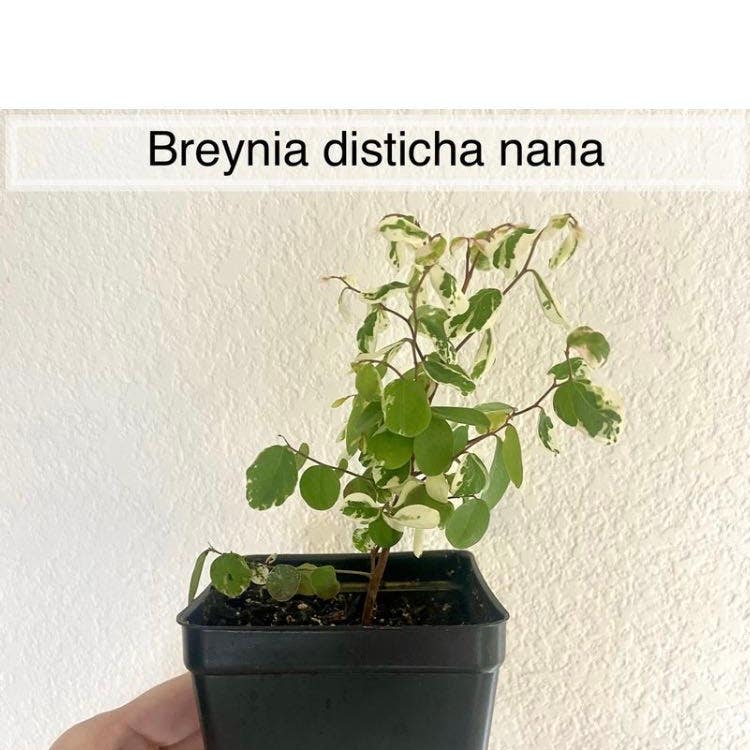
❄️ Everything You Need to Know About Pollinating Mini Snow Bush
Breynia disticha 'Nivosa'
By the Greg Editorial Team
Oct 16, 2024•7 min read
This article was created with the help of AI so we can cover more plants for you. May contain errors. See one? Report it here.
Unlock the secrets of the Mini Snow Bush's flower structure and its vital role in thriving ecosystems! 🌱
- 🌼 Mini Snow Bush attracts bees, butterflies, and hummingbirds with its fragrant flowers.
- 🌱 Self-pollination ensures seed production, but cross-pollination boosts genetic diversity.
- 🐝 Creating a pollinator-friendly garden enhances pollination success and plant health.
Flower Structure
Description of Flower Anatomy 🌸
The Mini Snow Bush features small, white, flower-like bracts that serve as a beacon for pollinators. These delicate petals not only beautify the plant but also play a crucial role in attracting bees, butterflies, and other beneficial insects.
Green, leaf-like sepals protect the flower bud, ensuring that the blooms are safeguarded until they are ready to open. Within the flower, the stamens, which are the male reproductive parts, produce pollen that is vital for fertilization.
The pistils, the female reproductive parts, are designed to receive pollen, completing the cycle of reproduction. This intricate flower anatomy is essential for the plant's life cycle and overall health.
Facilitation of Pollination 🐝
The arrangement of the flower parts is cleverly designed to support both self-pollination and cross-pollination. This dual capability enhances the plant's chances of reproduction, ensuring that it can thrive in various environments.
Unique adaptations, such as the strategic positioning of stamens and pistils, facilitate effective pollen transfer. These features not only optimize the chances of successful fertilization but also contribute to the genetic diversity of the Mini Snow Bush population.
Understanding the flower structure is key to appreciating how this plant interacts with its pollinators. With a solid foundation in flower anatomy, we can delve deeper into the pollination process itself.
Pollination Process
Self-Pollination Mechanism 🌱
Mini Snow Bush has a fascinating ability to fertilize itself using its own pollen. This self-pollination ensures that even in the absence of external pollinators, the plant can still produce seeds.
However, relying solely on self-pollination limits genetic diversity. Additional pollination methods, such as cross-pollination, can significantly boost seed production and enhance genetic variation, leading to a healthier population.
Primary Pollinators 🐝
The Mini Snow Bush attracts a variety of pollinators, including bees, butterflies, moths, and hummingbirds. Each of these species plays a unique role in the plant's pollination success.
- Bees are particularly effective due to their foraging habits, ensuring thorough pollen transfer.
- Butterflies add beauty and grace, while also helping to spread pollen as they flit from flower to flower.
- Moths are active at night, providing pollination services when other pollinators are absent.
- Hummingbirds are drawn to the bright bracts, contributing to the plant's reproductive success.
Attraction Mechanisms 🌼
Mini Snow Bush employs several strategies to attract its pollinators. The bright white bracts are visually striking, making the plant stand out in any garden setting.
In addition to visual cues, the plant emits floral fragrances that entice pollinators. These scents create an inviting atmosphere, encouraging pollinators to visit and facilitate the essential process of pollination.
With these mechanisms in place, the Mini Snow Bush thrives, ensuring its reproductive success and contributing to the surrounding ecosystem. Next, we’ll explore the natural pollination process and its significance for the plant's health and diversity.
Natural Pollination
🌬️ Pollen Transfer Mechanisms
Pollination in the Mini Snow Bush is a fascinating process. Pollen moves from the stamens, the male parts, to the pistils, the female parts, primarily through the actions of pollinators and wind.
Wind can carry pollen over short distances, but animal activity plays a crucial role. Bees, butterflies, and other insects actively transfer pollen as they visit flowers, ensuring effective fertilization.
🌱 Importance for Reproduction and Genetic Diversity
Successful pollination is vital for seed production. Each seed represents a new opportunity for the Mini Snow Bush to thrive and spread.
Genetic diversity is equally important for the long-term health of the population. A diverse gene pool helps the plant adapt to changing environments and resist diseases, ensuring its survival for generations to come.
Understanding these mechanisms not only highlights the beauty of nature but also sets the stage for appreciating the challenges and solutions in supporting pollination efforts.
Hand Pollination
Step-by-Step Instructions
Hand pollination can be a rewarding way to ensure the Mini Snow Bush thrives. Here’s how to do it effectively:
Identifying Male and Female Flower Parts: Start by recognizing the stamens, which produce pollen, and the pistils, which receive it. This distinction is crucial for successful hand pollination.
Collecting Pollen: Use a small brush or cotton swab to gently gather pollen from the stamens. This method minimizes damage to the delicate flower parts.
Transferring Pollen: Carefully apply the collected pollen to the pistils of the same or different flowers. This step is vital for fertilization and seed development.
Timing: Perform hand pollination during peak flowering periods. This timing maximizes the chances of successful fertilization.
🌱 Ensuring Successful Fertilization
After hand pollination, monitoring the plant is essential. Look for signs of seed development, such as swelling in the flower base.
Regular checks will help you gauge the effectiveness of your efforts. If you notice any issues, adjust your technique or timing for future attempts.
By engaging in hand pollination, you not only support the Mini Snow Bush but also deepen your connection with nature. This hands-on approach can lead to a more vibrant garden and a greater appreciation for the pollination process.
Ready to explore how to support pollinators in your garden? Let’s dive into creating a pollinator-friendly environment!
Supporting Pollinators
🌼 Creating a Pollinator-Friendly Environment
To attract pollinators like bees and butterflies, consider planting native flowers. These plants are well-adapted to your local ecosystem, providing the right food and habitat for these essential insects.
Additionally, providing water sources, such as shallow dishes or birdbaths, can make your garden a haven for pollinators. Just be sure to keep the water fresh and clean to encourage frequent visits.
Avoiding pesticides is crucial. Many chemicals can harm beneficial insects, disrupting the delicate balance of your garden. Opt for organic gardening methods to protect these vital pollinators.
🌱 Suggested Companion Plants
Companion planting can enhance the ecosystem around your Mini Snow Bush. Here are some excellent choices:
- Lavender: Attracts bees with its fragrant blooms.
- Echinacea (Coneflower): A favorite among butterflies and bees alike.
- Marigolds: Their bright colors draw in pollinators while deterring pests.
These plants not only support pollinators but also add beauty and diversity to your garden. By creating a welcoming environment, you can help ensure the success of your Mini Snow Bush and its pollination efforts.
In the next section, we’ll explore the challenges that can arise during the pollination process and how to overcome them effectively.
Pollination Challenges
Common Obstacles 🐝
Pollination can face several challenges, primarily due to environmental factors. Temperature and humidity significantly influence pollinator activity, with extreme conditions often leading to reduced visits from bees and butterflies.
Another major issue is the lack of pollinators. Signs of insufficient pollinator presence include fewer flowers setting seed or a noticeable absence of buzzing insects in the garden.
Solutions for Overcoming Challenges 🌼
To enhance pollination success, consider increasing plant diversity in your garden. A variety of flowering plants can attract a broader range of pollinators, ensuring that your Mini Snow Bush gets the attention it needs.
Providing shelter for pollinators is also crucial. Simple additions like bee hotels or native plant patches can create safe havens for these essential creatures.
Impact of Environmental Factors 🌍
Environmental conditions can drastically affect the timing and effectiveness of pollination efforts. For instance, unseasonably warm or cold weather can disrupt the natural rhythms of flowering and pollinator activity.
Understanding these dynamics allows gardeners to adapt their strategies, ensuring that their Mini Snow Bush thrives despite the challenges. By being proactive, you can create a flourishing ecosystem that supports both your plants and their pollinators.
⚠️ Safety First
This content is for general information and may contain errors, omissions, or outdated details. It is not medical, veterinary advice, or an endorsement of therapeutic claims.
Always consult a qualified healthcare professional before using any plant as food, medicine, or supplement.
Never eat any plant (or feed one to pets) without confirming its identity with at least two trusted sources.
If you suspect poisoning, call Poison Control (800) 222-1222, the Pet Poison Helpline (800) 213-6680, or your local emergency service immediately.
Spotted an error? Please report it here.
Unlock the secrets of thriving pollination 🌼 for your Mini Snow Bush with Greg's personalized tips and reminders, ensuring your garden attracts a vibrant array of pollinators!