❄️ 7 Tips for Fixing Flower Problems in Mini Snow Bush
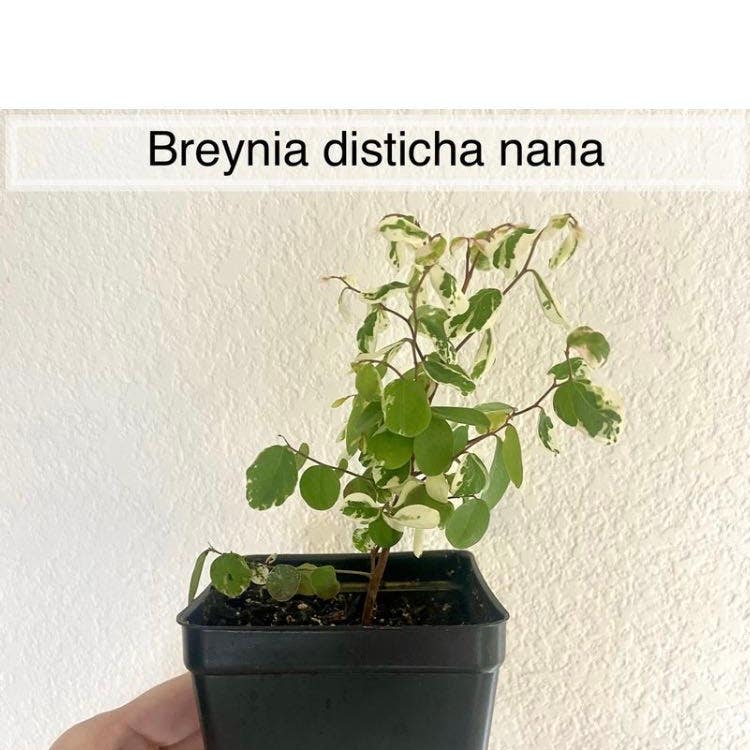
Breynia disticha 'Nivosa'
By the Greg Editorial Team
Oct 16, 2024•4 min read
This article was created with the help of AI so we can cover more plants for you. May contain errors. See one? Report it here.
Revitalize your Mini Snow Bush blooms 🌸 with easy care tips and solutions to common flowering problems!
- 🌞 Full sun is essential for Mini Snow Bush to bloom optimally.
- 🌱 Nutrient-rich, well-draining soil promotes healthy growth and vibrant flowers.
- 🌿 Regular pest inspections prevent flower drop and ensure blooming success.
Failure to Bloom
🌞 Causes
Insufficient Light
Mini Snow Bush thrives in full sun. Without adequate light, blooming can be severely hindered.
Poor Soil Quality
Compact or nutrient-deficient soil can stifle flower production. Healthy soil is essential for vibrant blooms.
Nutrient Deficiencies
A lack of essential nutrients can prevent flowering altogether. Identifying these deficiencies is crucial for restoring bloom potential.
💡 Solutions (difficulty: easy)
Adjusting Light Exposure
To encourage blooming, move your Mini Snow Bush to a sunnier spot. If natural light is limited, consider using grow lights to supplement.
Amending Soil
Opt for well-draining, nutrient-rich soil to promote healthy growth. This simple change can make a significant difference in flower production.
Fertilization Tips
Applying a balanced fertilizer during the growing season supports the bloom cycle. Regular feeding can rejuvenate your plant and boost its flowering potential.
By addressing these common causes and implementing straightforward solutions, you can help your Mini Snow Bush flourish. Next, let’s explore what to do when flowers drop prematurely.
Premature Flower Drop
🌪️ Causes
Premature flower drop can be frustrating, and understanding its causes is the first step to resolution.
Environmental Stress
Sudden changes in temperature or humidity can shock your mini snow bush, leading to bud drop.
Overwatering
Excess moisture is another culprit; it can stress the roots and cause flowers to fall off prematurely.
Pest Infestations
Pests can weaken your plant, making it more susceptible to dropping flowers before they bloom.
🛠️ Solutions
Addressing premature flower drop involves a few manageable solutions.
Proper Watering Techniques
Allow the soil to dry slightly between waterings. This simple adjustment can prevent the root stress that leads to flower drop.
Pest Management Strategies
Regularly inspect your plant for pests. If you spot any, use treatments like insecticidal soap to keep your mini snow bush healthy and blooming.
By implementing these strategies, you can help your mini snow bush thrive and enjoy a vibrant display of flowers.
Next, let’s explore how to ensure your plant gets the right nutrients for optimal blooming.
Abnormal Flower Development
🌱 Causes
Abnormal flower development can stem from several factors. Nutritional imbalances, particularly incorrect nutrient ratios, often lead to poor flower quality.
Improper pruning also plays a significant role. If done at the wrong time or using incorrect techniques, it can severely affect flower formation.
Additionally, diseases caused by fungal or bacterial infections can disrupt normal flower development. Recognizing these issues early is crucial for effective management.
💡 Solutions
To encourage healthy flower development, focus on correct fertilization. Use fertilizers that are high in phosphorus, as this nutrient is essential for vibrant blooms.
Pruning guidelines are equally important. Follow proper techniques and timing to avoid damaging flower buds, ensuring they have the best chance to flourish.
Lastly, disease management is vital. Regularly inspect your plants for symptoms and apply fungicides or bactericides as needed to keep them healthy.
By addressing these causes and implementing effective solutions, you can significantly improve the flowering potential of your mini snow bush.
Next, let's explore the nutritional needs essential for vibrant blooms.
Nutritional Needs for Flowering
🌸 Essential Nutrients for Blooming
To achieve vibrant blooms, your Mini Snow Bush needs key nutrients: nitrogen, phosphorus, and potassium. These elements are crucial for healthy flower development and overall plant vitality.
Watch for signs of nutrient deficiencies, such as yellowing leaves, poor flower quality, and stunted growth. These indicators can signal that your plant isn't getting what it needs to thrive.
📅 Fertilization Schedule
Using a slow-release fertilizer during the growing season is one of the best practices for nourishing your plant. This method ensures a steady supply of nutrients over time, promoting consistent growth.
Fertilize every 4-6 weeks with a balanced formula, paying special attention to phosphorus during blooming. This focus will help maximize flower production and keep your Mini Snow Bush looking its best.
With the right nutrients and a solid fertilization schedule, your plant will be well-equipped to produce stunning blooms. Next, let’s explore effective pruning techniques that can further enhance flowering.
Pruning Techniques for Better Flowering
🌱 When to Prune
Pruning your Mini Snow Bush at the right time is crucial for optimal flowering. Aim to prune after the blooming period; this encourages new growth and sets the stage for a vibrant display next season.
Seasonal cues are also important. Adjust your pruning schedule based on the plant's growth cycle to ensure you’re not cutting back at the wrong time.
✂️ Pruning Methods
To promote bushier growth and more flowers, consider pinching back the tips of your plant. This simple technique encourages branching, leading to a fuller appearance and increased blooming potential.
However, be cautious. Heavy pruning before flowering can remove potential blooms, leaving you with less than you hoped for. Avoid this common mistake to ensure a bountiful display.
By mastering these pruning techniques, you can significantly enhance the flowering potential of your Mini Snow Bush. Next, let’s explore the nutritional needs essential for thriving blooms.
⚠️ Safety First
This content is for general information and may contain errors, omissions, or outdated details. It is not medical, veterinary advice, or an endorsement of therapeutic claims.
Always consult a qualified healthcare professional before using any plant as food, medicine, or supplement.
Never eat any plant (or feed one to pets) without confirming its identity with at least two trusted sources.
If you suspect poisoning, call Poison Control (800) 222-1222, the Pet Poison Helpline (800) 213-6680, or your local emergency service immediately.
Spotted an error? Please report it here.
Boost your Mini Snow Bush's blooms 🌼 with these 7 tips, and let Greg guide you with tailored care reminders and nutrient tracking for vibrant, thriving flowers!