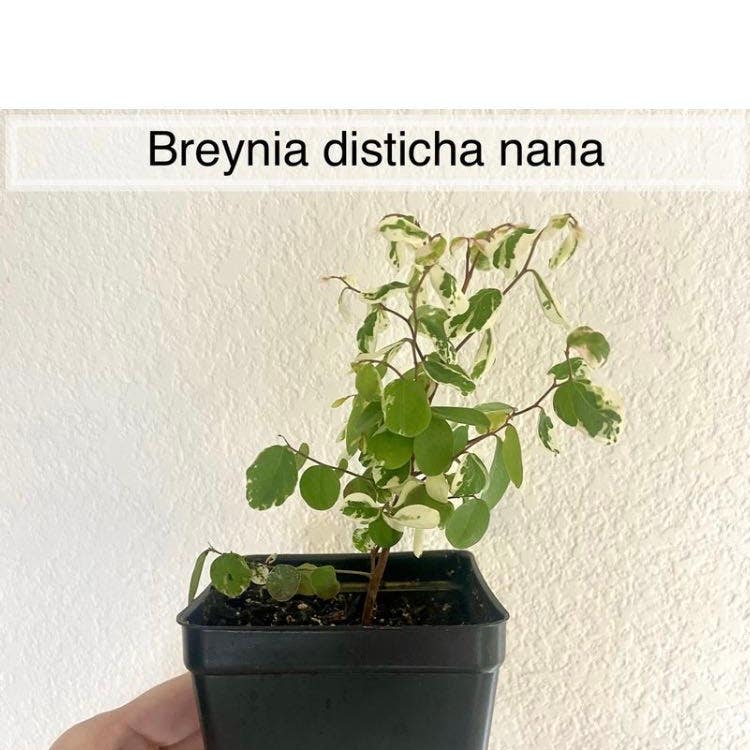
❄️ How to Cure Curling Leaves on Your Mini Snow Bush
Breynia disticha 'Nivosa'
By the Greg Editorial Team
Oct 16, 2024•5 min read
This article was created with the help of AI so we can cover more plants for you. May contain errors. See one? Report it here.
Revive your Mini Snow Bush 🌿 by quickly diagnosing and treating those curling leaves for vibrant health!
- 🌱 Curling leaves indicate stress from pests, nutrients, or environmental factors.
- ☀️ Ensure bright, indirect sunlight and maintain humidity for healthy Mini Snow Bush growth.
- 🐛 Regular inspections help catch pests early, preventing severe damage to your plant.
Causes of Curling Leaves
🌡️ Environmental Stress Factors
Curling leaves on your Mini Snow Bush can often be traced back to environmental stress. Temperature fluctuations are a primary culprit; the ideal range for this plant is between 60°F to 80°F (15°C to 27°C).
Humidity levels also play a crucial role. This plant thrives in moderate humidity, and low humidity can lead to significant stress. Additionally, sunlight exposure is vital; insufficient light can cause the leaves to curl, signaling that your plant isn’t getting the brightness it craves.
🐜 Pest Infestations
Common Pests
Pests can wreak havoc on your Mini Snow Bush, leading to curling leaves. Aphids are small, green insects that suck sap from the leaves, weakening the plant over time.
Spider mites are another common foe; these tiny, spider-like pests create fine webs and cause stippling on the leaves, making them look unhealthy.
Signs of Infestation
Be on the lookout for signs of infestation. Yellowing leaves and distorted growth are red flags, as well as visible pests lurking on the undersides of leaves.
If you notice these symptoms, it’s time to take action to protect your plant.
🥦 Nutrient Deficiencies
Key Nutrients
Nutrient deficiencies can also lead to curling leaves. Nitrogen is essential for leaf growth; without it, you may see yellowing and curling.
Potassium is another key nutrient that supports overall plant health. A deficiency here can cause the edges of the leaves to curl, indicating your plant is in distress.
Symptoms of Deficiency
Symptoms of nutrient deficiencies often manifest as stunted growth and pale leaves. Curling at the tips is a common sign that your Mini Snow Bush needs a nutrient boost.
💧 Watering Issues
Overwatering
Watering issues are a frequent cause of curling leaves. Overwatering can lead to wilting, yellowing leaves, and even root rot.
To prevent this, ensure your soil is well-draining and allow the top inch to dry out between waterings.
Underwatering
Conversely, underwatering can also cause problems. If you notice dry, crispy leaves and curling, your plant may be thirsty.
Regularly check the soil moisture and water when the top inch feels dry to the touch.
🍄 Fungal Infections and Diseases
Fungal infections can be another reason for curling leaves. Common issues include root rot and powdery mildew, both of which can severely affect your plant's health.
Symptoms often include wilting, discoloration, and, of course, leaf curl. To prevent these issues, use well-draining soil and avoid overhead watering, which can create a damp environment conducive to fungal growth.
Understanding these causes is the first step in addressing curling leaves on your Mini Snow Bush. With the right diagnosis, you can move on to effective treatment options to restore your plant's health.
Diagnosing Curling Leaves
Identifying Symptoms of Leaf Curl 🌿
Curling leaves can signal various issues. Start by observing the pattern: are the leaves curling inward, outward, or twisting?
Discoloration is another key indicator. Yellowing or browning leaves may point to specific problems that need addressing.
Differentiating Between Pest Damage and Environmental Stress 🐛
Next, inspect your plant for pests. Look closely for visible signs like insects or webs, which can indicate an infestation.
Don't forget to assess environmental conditions. Evaluate the light, humidity, and temperature to see if they align with your mini snow bush's needs.
Assessing Soil Moisture and Drainage 💧
Soil moisture is crucial for plant health. Use a moisture meter or your finger to check the soil's moisture levels.
Also, ensure proper drainage. Make sure your pots have drainage holes and that the soil isn’t compacted, allowing for healthy root growth.
By carefully diagnosing these symptoms, you can pinpoint the cause of curling leaves and take appropriate action. This proactive approach sets the stage for effective treatment options.
Treatment Options
🌿 Organic Pest Control Methods
When it comes to tackling pests, neem oil is a powerhouse. It's particularly effective against aphids and spider mites, providing a natural solution without harsh chemicals.
Insecticidal soap is another great option. It's safe for treating soft-bodied insects and can help keep your mini snow bush healthy and thriving.
💧 Adjusting Watering Practices
To improve your watering routine, start by determining your current schedule.
Next, adjust the frequency based on soil moisture readings, ensuring you're not over or under-watering.
Finally, always check for proper drainage to prevent root rot, which can be detrimental to your plant's health.
🌱 Fertilization Techniques for Nutrient Deficiencies
For nutrient deficiencies, using a balanced fertilizer like NPK 10-10-10 during the growing season is essential.
Follow the package instructions for application, typically every 4-6 weeks, to keep your mini snow bush nourished and vibrant.
🍄 Treating Fungal Infections
If you suspect fungal infections, apply fungicides according to the label instructions.
Additionally, improving air circulation around the plant can help reduce humidity, which is crucial for preventing further issues.
By implementing these treatment options, you can effectively address the curling leaves on your mini snow bush and promote its overall health.
Next, let’s explore preventive measures to keep your plant thriving long-term.
Preventive Measures
Best Practices for Care 🌱
Regular inspections of your Mini Snow Bush are essential. Look for signs of stress or pests to catch issues early.
Consistency is key with watering. Adjust your schedule based on seasonal changes to keep your plant thriving.
Ideal Growing Conditions ☀️
Your Mini Snow Bush loves bright, indirect sunlight. This light is crucial for optimal growth and vibrant leaves.
Use a well-draining potting mix enriched with organic matter. This ensures your plant has the nutrients it needs without the risk of root rot.
Water thoroughly, but allow the soil to dry out between sessions. This balance helps prevent overwatering while keeping your plant hydrated.
Regular Monitoring for Pests and Diseases 🕵️♂️
Make it a habit to check your plant weekly for pests and signs of disease. Early detection can save your Mini Snow Bush from severe damage.
Stay proactive with pest control. The sooner you intervene, the better your chances of maintaining a healthy plant.
By following these preventive measures, you can create a thriving environment for your Mini Snow Bush. This foundation will help ensure your plant remains vibrant and free from curling leaves.
⚠️ Safety First
This content is for general information and may contain errors, omissions, or outdated details. It is not medical, veterinary advice, or an endorsement of therapeutic claims.
Always consult a qualified healthcare professional before using any plant as food, medicine, or supplement.
Never eat any plant (or feed one to pets) without confirming its identity with at least two trusted sources.
If you suspect poisoning, call Poison Control (800) 222-1222, the Pet Poison Helpline (800) 213-6680, or your local emergency service immediately.
Spotted an error? Please report it here.
Transform your Mini Snow Bush's curling leaves into vibrant growth 🌿 by using Greg's tailored care reminders and pest alerts to keep your plant healthy and thriving!