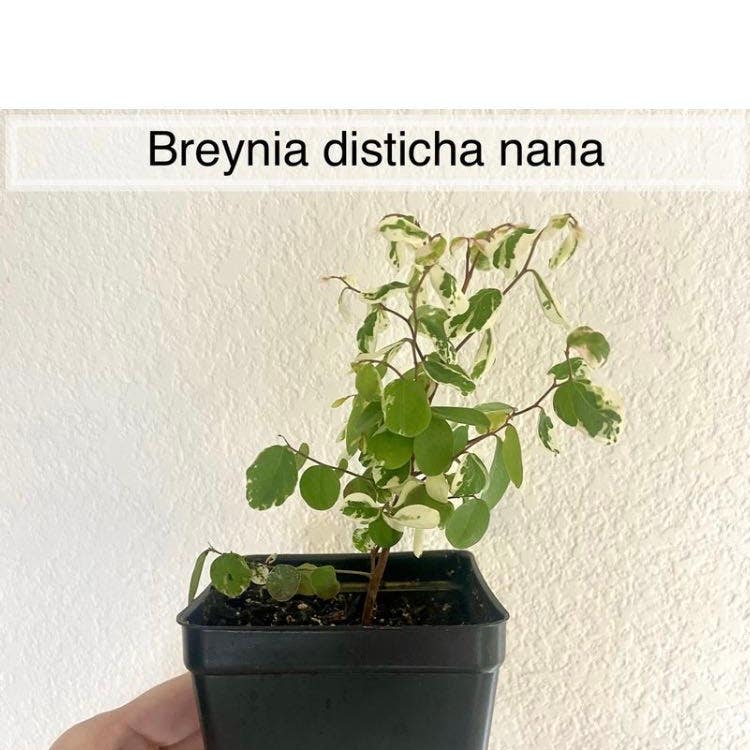
❄️ What to Do About Droopy Leaves on Your Mini Snow Bush
Breynia disticha 'Nivosa'
By the Greg Editorial Team
Oct 16, 2024•7 min read
This article was created with the help of AI so we can cover more plants for you. May contain errors. See one? Report it here.
Transform your droopy Mini Snow Bush 🌱 into a thriving beauty with these essential care tips!
- 🌱 Droopy leaves indicate overwatering, underwatering, or nutrient deficiencies—identify the cause!
- 💧 Water when the top inch of soil is dry to maintain optimal moisture levels.
- 🌞 Ideal conditions include 65°F to 85°F and moderate humidity for a healthy Mini Snow Bush.
Causes of Droopy Leaves
💧 Overwatering and Its Effects
Overwatering is a common culprit behind droopy leaves. Symptoms include yellowing leaves, soggy soil, and even root rot, which can suffocate the roots and lead to nutrient deficiencies.
To keep your Mini Snow Bush healthy, allow the soil to dry out between waterings. This simple adjustment can make a world of difference.
🚰 Underwatering and Dehydration
On the flip side, underwatering can also cause droopy leaves. Look for crispy leaf edges, wilting, and dry soil as telltale signs of dehydration.
To combat this, water your plant when the top inch of soil feels dry. This ensures your plant gets the hydration it needs to thrive.
🌡️ Environmental Stress Factors
Temperature
Temperature plays a significant role in plant health. The ideal range for your Mini Snow Bush is between 65°F to 85°F (18°C to 29°C).
If temperatures stray too far from this range, you might notice symptoms like leaf curl and droopiness. Keeping your plant in a stable environment is crucial.
💨 Humidity
Humidity levels also affect your plant's well-being. Mini Snow Bushes prefer moderate to high humidity.
When humidity is low, you may see dry, droopy leaves. Consider using a humidifier or pebble trays to maintain optimal moisture levels.
🐛 Pest Infestations
Common Pests
Pests can wreak havoc on your Mini Snow Bush. Common offenders include aphids, which leave sticky residue and cause curled leaves, and spider mites, known for their fine webbing and stippled leaves.
Being vigilant about pest control can save your plant from significant damage.
⚠️ Impact on Plant Health
Pest infestations weaken plants, making them more susceptible to diseases. Regular inspections can help catch these issues early.
🥦 Nutrient Deficiencies
Nitrogen Deficiency
A lack of nitrogen can lead to pale leaves and stunted growth. Nitrogen is essential for leaf development, so it's crucial to monitor nutrient levels.
🔋 Potassium Deficiency
Potassium deficiency manifests as marginal leaf burn and drooping. This nutrient is vital for overall plant health and stress resistance.
Understanding these causes will help you diagnose and treat droopy leaves effectively. Next, we'll explore how to diagnose the problem accurately.
Diagnosing the Problem
Signs of Overwatering vs. Underwatering 🌊
Identifying whether your mini snow bush is suffering from overwatering or underwatering is crucial. Overwatering typically presents as soggy soil and yellowing leaves, while underwatering shows up as dry soil and crispy leaf edges.
Identifying Pest Damage 🐛
Pests can wreak havoc on your plant's health. Conduct a visual inspection by checking the undersides of leaves for pests and looking for any signs of damage, such as discoloration or webbing.
Assessing Environmental Conditions 🌡️
Environmental factors play a significant role in plant health. Use a thermometer and hygrometer to check that temperature and humidity levels are within the ideal range for your mini snow bush.
Checking Soil Moisture Levels 💧
Accurate soil moisture assessment is key to proper care. A soil moisture meter can provide precise readings, or you can manually check by inserting your finger into the soil; if it feels dry an inch down, it’s time to water.
By diagnosing these issues early, you can take the necessary steps to restore your mini snow bush to its vibrant self. Next, let’s explore effective solutions for droopy leaves.
Solutions for Droopy Leaves
🌊 Adjusting Watering Practices
- Establish a consistent watering schedule. Regularity helps your Mini Snow Bush thrive.
- Use well-draining soil to prevent waterlogging. This keeps roots healthy and prevents rot.
- Monitor soil moisture regularly. Check the top inch of soil; if it's dry, it's time to water.
🕳️ Improving Drainage and Soil Quality
- Recommended soil mix: Combine 50% potting soil with 50% perlite or sand for optimal drainage.
- Importance of drainage holes in pots: Ensure your pots have holes to allow excess water to escape.
🐞 Pest Control Methods
Organic Solutions
- Neem oil: Apply every 1-2 weeks to deter pests. Spray it on affected areas for best results.
- Insecticidal soap: Use it as directed, ensuring thorough coverage on both sides of leaves.
Chemical Solutions
- When to consider chemical treatments: If you notice severe infestations, such as large clusters of pests, it may be time to act.
🌱 Fertilization Tips for Recovery
- Recommended fertilizers: A balanced NPK formula supports overall health.
- Application frequency: Fertilize every 4-6 weeks during the growing season for best results.
☀️ Environmental Adjustments
Light Requirements
- Ideal light conditions: Your Mini Snow Bush prefers full sun to partial shade. Adjust its placement based on available light.
Humidity Control
- Methods to increase humidity: Use pebble trays or mist the leaves regularly to create a more favorable environment.
By implementing these solutions, you can help your Mini Snow Bush recover from droopy leaves and thrive once again. Next, let’s explore preventative measures to keep your plant healthy in the long run.
Preventative Measures
Best Practices for Watering 🌊
Establishing a consistent watering routine is crucial for your Mini Snow Bush. Aim to water when the top inch of soil feels dry, ensuring you don’t overwater or underwater.
Observing how your plant responds to watering is equally important. If you notice droopy leaves or yellowing, adjust your schedule accordingly.
Regular Pest Inspections 🐜
Conduct weekly inspections to catch any pest issues early. Look for signs like discoloration, webbing, or sticky residue that could indicate infestations.
Being proactive can save your plant from significant damage. Early detection is key to maintaining its health.
Seasonal Care Adjustments 🌸
As seasons change, so should your care routine. Adjust watering and fertilization based on the plant's needs during different times of the year.
For instance, your Mini Snow Bush may require more water in the summer and less in the winter. Stay attuned to these seasonal shifts.
Soil Health Maintenance 🌱
Regular soil testing can help you understand pH and nutrient levels. This knowledge allows you to make informed decisions about amendments.
Consider adding compost or organic matter to enrich the soil. Healthy soil is the foundation for a thriving plant.
By implementing these preventative measures, you can significantly reduce the chances of droopy leaves and ensure your Mini Snow Bush remains vibrant and healthy. Next, let’s explore effective recovery techniques if your plant does show signs of distress.
Recovery Techniques
Step-by-Step Recovery Process 🌱
Assess the Cause: Start by identifying whether the droopy leaves are due to overwatering, underwatering, pest infestations, or nutrient deficiencies. This initial step is crucial for effective recovery.
Implement Corrective Measures: Once you’ve pinpointed the issue, take action. Adjust your watering habits, treat any pests, and consider fertilizing to replenish nutrients.
Monitor Plant Response: Keep an eye on your mini snow bush. Look for signs of new growth and improvements in leaf condition, which indicate that your efforts are paying off.
Monitoring Progress and Signs of Improvement 📈
Indicators of Recovery: Watch for new leaf growth and improved leaf turgor. These signs suggest that your plant is bouncing back from its droopy state.
Timeline for Recovery: Expect to see changes within 2-4 weeks. Patience is key, as plants often take time to respond to care adjustments.
When to Seek Professional Help 🆘
- Signs for Professional Intervention: If your mini snow bush continues to droop despite your best efforts, it may be time to consult a professional. Persistent droopiness, severe pest infestations, or a lack of improvement are clear indicators that expert help is needed.
By following these recovery techniques, you can help your mini snow bush regain its vitality. Next, let’s explore preventative measures to keep your plant healthy and thriving.
⚠️ Safety First
This content is for general information and may contain errors, omissions, or outdated details. It is not medical, veterinary advice, or an endorsement of therapeutic claims.
Always consult a qualified healthcare professional before using any plant as food, medicine, or supplement.
Never eat any plant (or feed one to pets) without confirming its identity with at least two trusted sources.
If you suspect poisoning, call Poison Control (800) 222-1222, the Pet Poison Helpline (800) 213-6680, or your local emergency service immediately.
Spotted an error? Please report it here.
Revive your Mini Snow Bush and banish droopy leaves 🌿 with Greg's tailored care reminders and expert tips that keep your plant thriving!