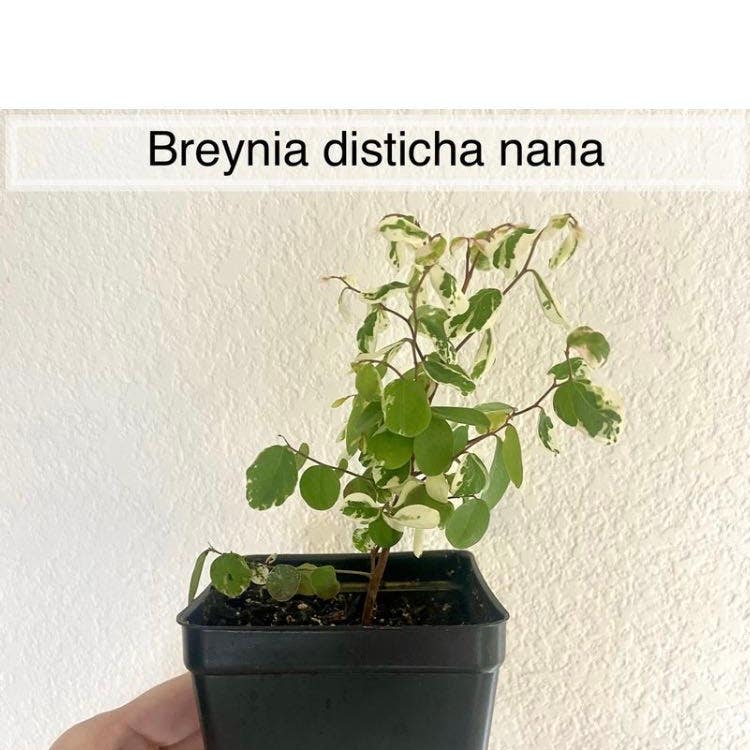
❄️ Mini Snow Bush: Not an Invasive Plant
Breynia disticha 'Nivosa'
By the Greg Editorial Team
Oct 18, 2024•5 min read
This article was created with the help of AI so we can cover more plants for you. May contain errors. See one? Report it here.
Enhance your garden's beauty 🌼 and support local wildlife with the non-invasive Mini Snow Bush, a perfect eco-friendly choice!
- 🌱 Mini Snow Bush is non-invasive, making it a safe garden choice.
- 🌼 Attracts pollinators and enhances biodiversity with its beautiful blooms.
- 💧 Drought-tolerant and low-maintenance, it conserves resources while thriving.
Plant Classification
Definition of Invasive Plants 🌱
Invasive plants are species that exhibit rapid growth and spread, often overwhelming local ecosystems. They can displace native flora, leading to a decline in biodiversity and negatively impacting the environment.
Characteristics of Mini Snow Bush ❄️
The Mini Snow Bush stands out with its slow to moderate growth rate, making it easy to manage in gardens. Its natural growth habits limit its spread potential, allowing it to thrive without becoming a nuisance.
Non-invasive Traits 🌼
This plant coexists harmoniously with other flora, enhancing rather than dominating its surroundings. It does not outcompete native species, making it a friendly addition to any garden.
In summary, the Mini Snow Bush is a non-invasive plant that contributes positively to garden ecosystems. Its unique characteristics make it an excellent choice for those looking to maintain a balanced and beautiful landscape.
Growth Habits
🌱 Typical Growth Patterns in Gardens
The Mini Snow Bush is a compact shrub with a rounded shape, making it an attractive addition to any garden. It typically reaches a height of 3 to 4 feet and a width of 4 to 5 feet, providing a lush, full appearance without overwhelming the space.
During late spring to early summer, this plant bursts into bloom, showcasing its delicate flowers. In mild climates, it retains its leaves semi-evergreen, adding year-round interest to your garden.
🌿 Natural Limits to Growth and Spread Potential
This shrub thrives in well-drained soil, preferring full sun to partial shade. Its adaptability allows it to flourish in various conditions, yet it remains non-aggressive in growth.
Once established, the Mini Snow Bush has low water needs, making it drought-tolerant. This quality not only conserves water but also limits its spread, ensuring it coexists peacefully with other plants without taking over.
The combination of its manageable size and low maintenance requirements makes the Mini Snow Bush an ideal choice for gardeners seeking beauty without the hassle.
As we explore the ecological role of this plant, we’ll uncover how it benefits local ecosystems and interacts positively with wildlife.
Ecological Role
Benefits to Local Ecosystems 🌼
The Mini Snow Bush is a true friend to local ecosystems. Its flowers attract bees and butterflies, which play a crucial role in pollination, enhancing biodiversity in your garden.
Additionally, this plant supports soil health with its deep root system. These roots help prevent erosion, ensuring that the soil remains stable and fertile.
Positive Interactions with Wildlife and Other Plants 🐦
Beyond pollinators, the Mini Snow Bush provides essential habitat for small wildlife. Birds and beneficial insects find shelter among its branches, creating a vibrant ecosystem.
Its non-competitive nature allows it to coexist harmoniously with other plants. This compatibility makes it an excellent choice for diverse planting combinations, enriching your garden's overall health and beauty.
Incorporating the Mini Snow Bush into your garden not only beautifies your space but also contributes positively to the environment. Next, we’ll explore how to effectively manage this plant in your garden design.
Garden Management
Effective Incorporation into Garden Designs 🌿
The Mini Snow Bush is a versatile addition to any garden. Its compact form makes it ideal for borders, hedges, or as a striking focal point.
Pairing it with other non-invasive plants creates a harmonious landscape. This not only enhances visual appeal but also supports a balanced ecosystem.
Growth Control Methods for Aesthetic Purposes ✂️
Maintaining the Mini Snow Bush's shape and size involves light pruning. Aim to prune in early spring, just before new growth begins.
Regular monitoring is essential to keep the plant within desired boundaries. This proactive approach ensures your garden remains tidy and visually pleasing.
Incorporating these management techniques will help you enjoy the beauty of the Mini Snow Bush while maintaining a vibrant garden. Next, let’s explore how this plant compares to other non-invasive options.
Comparison to Other Plants
🌱 Similar Non-Invasive Plants
When considering non-invasive options for your garden, the Mini Snow Bush stands out alongside several other plants. Dwarf varieties of shrubs, like dwarf boxwood, offer compact growth and aesthetic appeal without the risk of spreading aggressively.
Other Euphorbia species also share this non-invasive trait, making them excellent companions in diverse planting schemes. These plants can enhance your garden's beauty while maintaining ecological balance.
✨ Unique Qualities of Mini Snow Bush
What sets the Mini Snow Bush apart are its distinctive features. The attractive white bracts create a striking visual interest that can brighten up any garden space.
Additionally, its drought tolerance and low maintenance needs make it a practical choice for busy gardeners. This combination of beauty and resilience ensures that the Mini Snow Bush is not just another plant, but a valuable addition to your landscape.
As we explore further, let’s delve into the legal and environmental considerations surrounding this remarkable shrub.
Legal and Environmental Considerations
🌱 Relevant Classifications and Guidelines
When incorporating Mini Snow Bush into your garden, it's crucial to check local regulations regarding planting. Many areas have specific guidelines to ensure that non-invasive plants are promoted while invasive species are controlled.
The Mini Snow Bush is recognized as a beneficial addition to gardens, posing no ecological risks. Its non-invasive status allows gardeners to enjoy its beauty without worrying about negative impacts on local ecosystems.
🌍 Role in Sustainable Gardening Practices
This plant contributes significantly to biodiversity by attracting pollinators like bees and butterflies. By supporting these essential species, Mini Snow Bush enhances local wildlife habitats.
Additionally, its low resource requirements make it an excellent choice for sustainable gardening. Being drought-tolerant, it reduces water usage, promoting eco-friendly practices that benefit both your garden and the environment.
Incorporating Mini Snow Bush not only beautifies your space but also aligns with responsible gardening principles. As you plan your garden, consider how this plant can play a role in fostering a thriving ecosystem.
Next, let’s explore how to effectively manage and incorporate this delightful shrub into your garden design.
⚠️ Safety First
This content is for general information and may contain errors, omissions, or outdated details. It is not medical, veterinary advice, or an endorsement of therapeutic claims.
Always consult a qualified healthcare professional before using any plant as food, medicine, or supplement.
Never eat any plant (or feed one to pets) without confirming its identity with at least two trusted sources.
If you suspect poisoning, call Poison Control (800) 222-1222, the Pet Poison Helpline (800) 213-6680, or your local emergency service immediately.
Spotted an error? Please report it here.
Enhance your garden with the Mini Snow Bush 🌿, a stunning non-invasive choice that thrives effortlessly, and let Greg guide you with tailored care tips for a flourishing landscape!