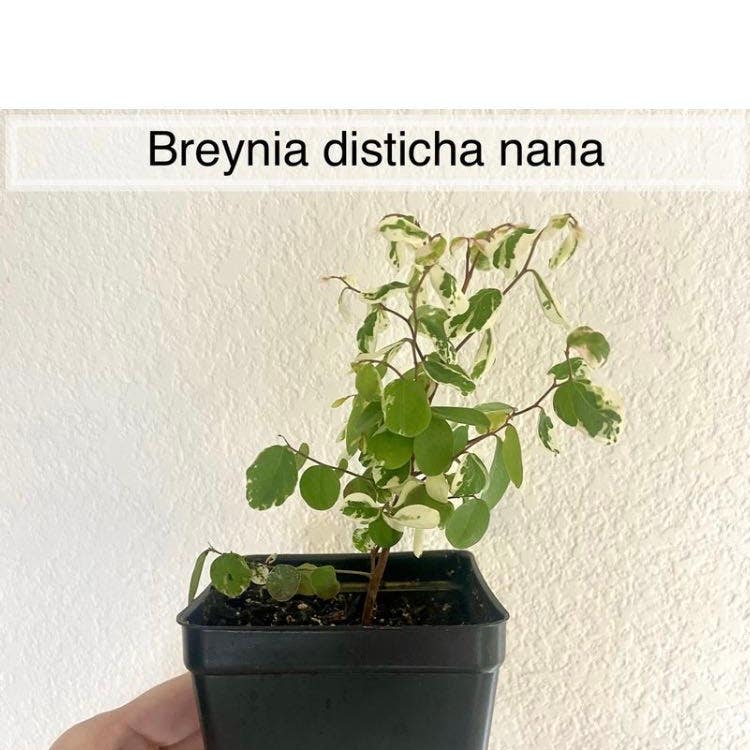
❄️ How to Cure Dropping Leaves on Your Mini Snow Bush
Breynia disticha 'Nivosa'
By the Greg Editorial Team
Oct 16, 2024•6 min read
This article was created with the help of AI so we can cover more plants for you. May contain errors. See one? Report it here.
Transform your Mini Snow Bush's health and prevent leaf drop with these vital care tips! 🌿
- 💧 Overwatering and underwatering both cause leaf drop; check soil moisture regularly.
- 🌞 Bright, indirect sunlight is essential; adjust placement for optimal light exposure.
- 🐛 Inspect for pests weekly to prevent damage and maintain Mini Snow Bush health.
Diagnosing Leaf Drop Issues
🌊 Identifying Symptoms of Overwatering
Overwatering is a common issue for Mini Snow Bushes. Look for visual indicators like soggy soil and yellowing leaves, which signal that your plant is drowning.
Inspect the roots for signs of rot and mushiness. If they feel squishy instead of firm, it’s time to reassess your watering habits.
💧 Recognizing Signs of Underwatering
On the flip side, underwatering can also lead to leaf drop. Dry, crispy leaves and visibly dry soil are clear signs that your Mini Snow Bush is thirsty.
Check the leaf texture; if they appear brittle and shriveled, your plant is in distress and needs immediate attention.
🐛 Checking for Pests and Diseases
Pests and diseases can wreak havoc on your Mini Snow Bush. Inspect the leaves and stems closely for any unusual spots or pests.
Common diseases include fungal infections, which often present as discolored patches or wilting. Early detection is key to preventing further damage.
🌱 Assessing Soil Conditions
Soil drainage is crucial for the health of your Mini Snow Bush. Poor drainage can lead to root rot and other issues.
Test soil moisture levels using a moisture meter or simply by sticking your finger into the soil. If it feels wet several inches down, hold off on watering.
☀️ Evaluating Light Exposure
Light conditions play a significant role in your plant's well-being. Mini Snow Bushes thrive in bright, indirect sunlight, so ensure they’re not getting scorched by direct rays.
Signs of inadequate light include stretching growth and leaf drop. If your plant looks leggy, it might be time to reposition it for better light exposure.
By diagnosing these leaf drop issues effectively, you can take the necessary steps to restore your Mini Snow Bush to its vibrant self. Next, let’s explore preventive measures to keep your plant healthy and thriving.
Preventive Measures
Proper Watering Techniques 🌊
Watering your Mini Snow Bush correctly is crucial for its health. Aim to let the soil dry out between waterings to prevent overwatering, which can lead to root rot.
To check soil moisture, use your finger to feel the top inch of soil. If it’s dry, it’s time to water; if it’s still moist, hold off for a bit.
Soil Selection and Drainage 🪴
Choosing the right soil is essential for your Mini Snow Bush. A well-draining potting mix, ideally with perlite, will help prevent water retention.
Don’t forget about drainage holes in your pots. They allow excess water to escape, reducing the risk of soggy roots.
Ideal Light Conditions ☀️
Your Mini Snow Bush thrives in bright, indirect sunlight. Aim for 6-8 hours of this light daily to keep it healthy and vibrant.
As seasons change, be ready to adjust your plant's placement. This ensures it gets the right amount of light throughout the year.
Temperature Management 🌡️
Stable temperatures are vital for your plant's well-being. Keep it away from drafts and heat sources to avoid stress.
Using a thermometer can help you monitor the conditions. This way, you can ensure your Mini Snow Bush stays in its comfort zone.
Regular Pest Inspections 🐛
Frequent pest checks are key to maintaining a healthy Mini Snow Bush. Aim for weekly inspections to catch any issues early.
Preventive measures like neem oil and insecticidal soap can help keep pests at bay. A proactive approach is always better than a reactive one.
By implementing these preventive measures, you set your Mini Snow Bush up for success. Next, we’ll explore treatment solutions to address any issues that may arise.
Treatment Solutions
Adjusting Watering Schedules 🌧️
Creating a watering schedule tailored to the seasons is essential for your Mini Snow Bush. In warmer months, increase frequency, while in cooler months, allow the soil to dry out more between waterings.
Look for signs like drooping leaves or dry soil to adjust your watering frequency. These indicators will help you maintain the right balance for your plant's health.
Soil Amendments for Better Drainage 🏞️
To enhance drainage, consider adding perlite, sand, or gravel to your soil mix. These amendments improve aeration and prevent waterlogging, crucial for the Mini Snow Bush's root health.
Incorporate these amendments by mixing them into your existing soil. This simple step can make a significant difference in your plant's vitality.
Pest Control Methods 🐞
For pest control, organic options like neem oil, insecticidal soap, and beneficial insects are effective and eco-friendly. These methods help keep your Mini Snow Bush safe from harmful pests without harsh chemicals.
If you opt for chemical solutions, apply them carefully according to the manufacturer's instructions. Always prioritize the health of your plant while managing pests.
Fertilization Strategies 🌱
Balanced NPK fertilizers are recommended for your Mini Snow Bush. They provide essential nutrients that support growth and resilience.
Timing is key; fertilize during the growing season and reduce frequency in the dormant months. This approach ensures your plant gets what it needs when it needs it.
Recovery Techniques for Stressed Plants 🌿
If your Mini Snow Bush shows signs of stress, start by pruning damaged leaves. This helps redirect energy to healthier parts of the plant.
Adjusting care, such as improving watering practices and light exposure, is crucial for recovery. Keep an eye on your plant's progress to ensure it bounces back effectively.
With these treatment solutions, your Mini Snow Bush can thrive and flourish. Next, let’s explore seasonal considerations to keep your plant in top shape year-round.
Seasonal Considerations
🌧️ Seasonal Watering Adjustments
Watering needs for your Mini Snow Bush fluctuate with the seasons. In summer, increase watering frequency to keep the soil consistently moist, while in winter, allow the soil to dry out more between waterings.
☀️ Light Changes Throughout the Year
As the seasons change, so does the light your plant receives. Adjust its placement to ensure it gets optimal light, and consider using grow lights during the darker months to maintain healthy growth.
🌡️ Preparing for Temperature Changes
Temperature extremes can stress your Mini Snow Bush. Protect it by moving the plant indoors during cold snaps or placing it in a sheltered spot to avoid drafts and heat sources.
🐛 Seasonal Pest Management
Different seasons bring different pests. Stay vigilant by checking for common pests and implement preventive measures, such as neem oil, to keep your plant healthy throughout the year.
By understanding these seasonal considerations, you can better care for your Mini Snow Bush and ensure it thrives in any environment. Next, let’s explore effective treatment solutions to address any issues that arise.
⚠️ Safety First
This content is for general information and may contain errors, omissions, or outdated details. It is not medical, veterinary advice, or an endorsement of therapeutic claims.
Always consult a qualified healthcare professional before using any plant as food, medicine, or supplement.
Never eat any plant (or feed one to pets) without confirming its identity with at least two trusted sources.
If you suspect poisoning, call Poison Control (800) 222-1222, the Pet Poison Helpline (800) 213-6680, or your local emergency service immediately.
Spotted an error? Please report it here.
Keep your Mini Snow Bush thriving 🌿 by using Greg's tailored watering reminders and moisture checks to prevent leaf drop and ensure optimal care all year round!