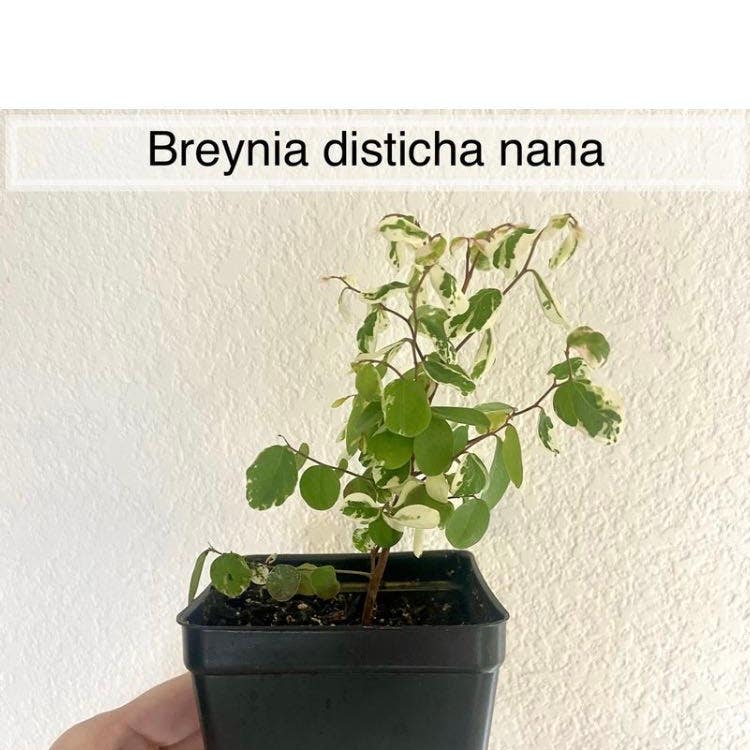
❄️ How to Cure Brown Spots on Your Mini Snow Bush
Breynia disticha 'Nivosa'
By the Greg Editorial Team
Oct 16, 2024•6 min read
This article was created with the help of AI so we can cover more plants for you. May contain errors. See one? Report it here.
Revive your Mini Snow Bush 🌱 by mastering the art of preventing and treating pesky brown spots!
- 🌞 Bright, indirect sunlight prevents brown spots; avoid direct sunlight exposure.
- 💧 Maintain humidity between 50-70% to prevent crispy, brown leaf edges.
- 🐛 Identify pests and diseases early to treat brown spots effectively.
Causes of Brown Spots
🌤️ Environmental Stress Factors
Light Conditions
Mini Snow Bush thrives in bright, indirect sunlight. Too much direct light can cause leaf burn, leading to those pesky brown spots.
Humidity Levels
For optimal growth, maintain humidity levels between 50-70%. Low humidity can result in crispy, brown edges on leaves, signaling distress.
Temperature Fluctuations
This plant prefers a cozy temperature range of 65°F to 80°F (18°C to 27°C). Extreme temperatures can stress the plant, contributing to brown spots.
🐛 Pest Infestations
Common Pests Affecting Mini Snow Bush
Several pests can wreak havoc on your Mini Snow Bush. Watch out for aphids, which are small green insects that cause leaf curling and discoloration.
Spider mites leave fine webbing and stippled leaves, indicating damage. Mealybugs appear as cotton-like masses on stems and leaves, leading to nutrient loss.
Identifying Pest Damage
Signs of pest infestation include yellowing leaves, sticky residue, and visible pests. Regular checks can help catch these issues early.
🦠 Fungal and Bacterial Infections
Identifying Pathogens
Fungal infections often manifest as dark brown or black spots with yellow halos. Bacterial infections may present as water-soaked spots that can ooze.
Common Diseases
Leaf spot disease, caused by various fungi, leads to unsightly spots on leaves. Root rot, often a result of overwatering, can cause significant leaf discoloration.
Understanding these causes is crucial for effective treatment. Next, we’ll explore how to diagnose brown spots on your Mini Snow Bush.
Diagnosing Brown Spots
🕵️♂️ Visual Identification of Brown Spots
Identifying brown spots on your Mini Snow Bush starts with examining their size and shape. You may notice small, pinpoint spots that indicate minor issues or larger, irregular patches suggesting more significant problems.
Color variations also play a crucial role in diagnosis. Dark brown spots often signal serious concerns, while light tan spots might indicate less severe stress or damage.
🐛 Differentiating Between Causes
Next, it’s essential to differentiate between pests and diseases. Inspect your plant closely for pests; look for webs or sticky residue that could indicate an infestation.
On the other hand, check for signs of fungal infections. Yellow halos around the brown spots can be a telltale sign of a fungal issue that needs addressing.
🌦️ Seasonal Considerations
Seasonal changes can significantly impact your Mini Snow Bush's health. Increased humidity during summer months may help reduce pest issues, making it a more forgiving time for your plant.
Conversely, winter can be tough. Low light and dry air can exacerbate problems, leading to more pronounced brown spots. Keeping an eye on these seasonal shifts can help you stay ahead of potential issues.
With a clear understanding of how to diagnose brown spots, you're now equipped to tackle the next steps in treatment and prevention.
Treatment Options
🌱 Step-by-Step Guide to Treating Brown Spots
Identify the Cause: Start by inspecting your Mini Snow Bush for pests, diseases, or signs of environmental stress. This initial step is crucial for effective treatment.
Remove Affected Leaves: Prune any leaves showing brown spots to prevent the spread of issues. This not only improves the plant's appearance but also promotes healthier growth.
Adjust Care Practices: Modify your watering and light exposure based on your findings. Ensuring the right conditions can significantly reduce the chances of brown spots reappearing.
🧪 Recommended Fungicides and Pesticides
Fungicides
Copper-Based Fungicides: These are effective against various fungal infections that can cause brown spots. They work by preventing the spread of spores.
Systemic Fungicides: Ideal for treating root rot and leaf spot diseases, these fungicides are absorbed by the plant, providing internal protection.
Pesticides
Insecticidal Soap: This is a safe option for treating common pests like aphids and mealybugs. It disrupts their cell membranes, effectively eliminating them.
Neem Oil: A natural remedy that works wonders against various pests. It disrupts their life cycle and is safe for your plant.
🌿 Natural Remedies for Pest Control
Homemade Solutions
Garlic Spray: This simple concoction deters pests without harming your Mini Snow Bush. Just mix crushed garlic with water and spray it on affected areas.
Soap and Water Solution: A mix of mild soap and water can effectively target soft-bodied insects. Spray it directly on the pests for best results.
💧 Adjusting Watering and Fertilization Practices
Watering Techniques
Ensure Well-Draining Soil: This prevents root rot, a common issue that leads to brown spots. Good drainage is key to a healthy plant.
Water Only When Needed: Check the top inch of soil; if it’s dry, it’s time to water. Overwatering can exacerbate problems.
Fertilization Schedule
Use a Balanced Fertilizer: During the growing season, a balanced fertilizer will support healthy growth. This helps prevent nutrient deficiencies that can lead to brown spots.
Monitor Nutrient Levels: Regularly check your plant’s health to ensure it’s getting the nutrients it needs. Adjust your fertilization routine as necessary.
By following these treatment options, you can effectively manage and prevent brown spots on your Mini Snow Bush. Next, let’s explore preventive measures to keep your plant thriving year-round.
Preventive Measures
Best Practices for Care 🌱
To keep your Mini Snow Bush thriving, focus on creating ideal growing conditions. Consistent humidity and temperature are crucial; aim for 50-70% humidity and temperatures between 65°F to 80°F.
Bright, indirect light is essential to prevent sunburn. Too much direct sunlight can lead to unsightly brown spots on your leaves.
Regular Inspection and Maintenance Routines 🔍
Routine checks are your best defense against pests and diseases. Inspect your leaves weekly for any early signs of trouble, such as discoloration or webbing.
Don't forget to remove debris and dead leaves regularly. This simple step can significantly reduce the risk of disease and keep your plant healthy.
Seasonal Care Tips to Prevent Brown Spots 🌦️
Adjusting your care routine with the seasons can make a big difference. In summer, increase humidity by misting your plant or using pebble trays filled with water.
During winter, be cautious with watering. Reducing the frequency can help prevent root rot, which is a common issue in dry, cold months.
By following these preventive measures, you can enjoy a vibrant Mini Snow Bush free from brown spots. Now, let’s explore how to diagnose those pesky brown spots when they do appear.
⚠️ Safety First
This content is for general information and may contain errors, omissions, or outdated details. It is not medical, veterinary advice, or an endorsement of therapeutic claims.
Always consult a qualified healthcare professional before using any plant as food, medicine, or supplement.
Never eat any plant (or feed one to pets) without confirming its identity with at least two trusted sources.
If you suspect poisoning, call Poison Control (800) 222-1222, the Pet Poison Helpline (800) 213-6680, or your local emergency service immediately.
Spotted an error? Please report it here.
Keep your Mini Snow Bush spot-free 🌿 by using Greg's tailored care reminders and pest alerts to ensure it thrives in the perfect environment!