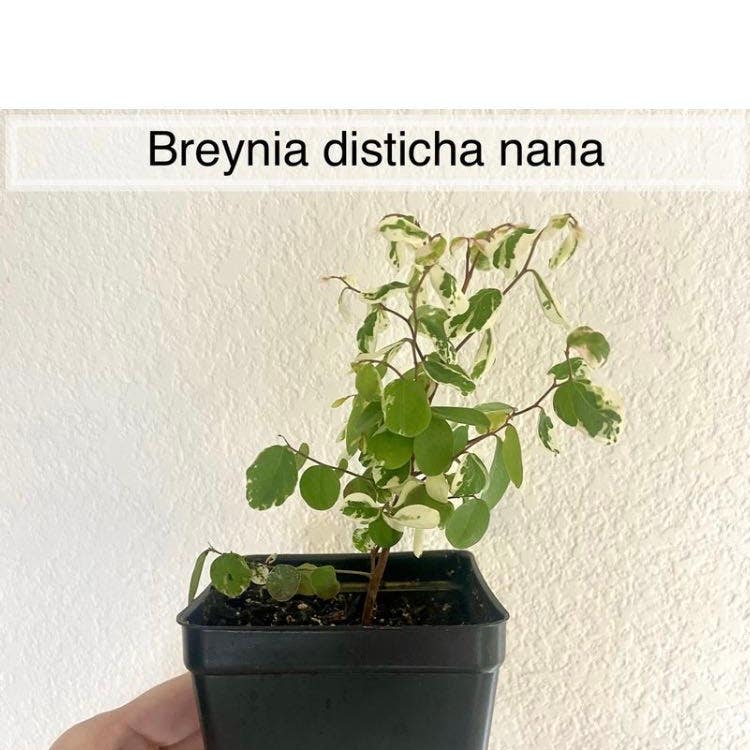
❄️ Mini Snow Bush Width: What to Expect
Breynia disticha 'Nivosa'
By the Greg Editorial Team
Oct 16, 2024•5 min read
This article was created with the help of AI so we can cover more plants for you. May contain errors. See one? Report it here.
Unlock your garden's potential with the adaptable Mini Snow Bush—perfectly sized for any space! 🌱
- 🌱 Mini Snow Bush grows 1-3 feet tall and spreads 2-4 feet wide.
- ☀️ Requires 6-8 hours of sunlight daily for optimal growth.
- 🌿 Soil quality and watering practices significantly affect size and health.
Mature Height and Spread
Typical Mature Dimensions 🌱
The Mini Snow Bush typically reaches an average height of 1 to 3 feet (30 to 90 cm). Its spread can range from 2 to 4 feet (60 to 120 cm), making it a versatile choice for various garden spaces.
Growth Rate and Time to Full Size ⏳
This plant has a moderate growth rate, adding approximately 6 to 12 inches (15 to 30 cm) each year. Under optimal conditions, you can expect it to reach its full size in about 3 to 5 years.
Size Variability Based on Growing Conditions 🌍
The size of your Mini Snow Bush can vary significantly based on several factors. Soil quality, sunlight exposure, and watering practices all play crucial roles in determining its ultimate dimensions.
In well-drained, nutrient-rich soil with ample sunlight, the plant thrives and reaches its potential size. Conversely, in less favorable conditions, you might notice a smaller, less vigorous bush. Understanding these variables can help you create the ideal environment for your Mini Snow Bush.
With this knowledge, you're better equipped to nurture your plant and enjoy its full beauty. Next, let’s explore the factors that affect the size of your Mini Snow Bush.
Factors Affecting Size
🌱 Soil Type and Quality
Well-drained soil is crucial for the Mini Snow Bush. Proper drainage prevents root rot and promotes healthy growth.
Nutrient-rich soil significantly impacts the plant's overall size and health. The right balance of nutrients can lead to lush foliage and vibrant blooms.
☀️ Sunlight Exposure
The amount of sunlight your Mini Snow Bush receives can make a big difference. Full sun encourages robust growth, while partial shade may stunt its dimensions.
For optimal results, aim for 6 to 8 hours of sunlight daily. This exposure helps the plant thrive and reach its full potential.
💧 Watering Practices
Consistent moisture is key to maintaining size. Regular watering ensures the plant has the hydration it needs to flourish.
However, be cautious of overwatering and underwatering. Both extremes can negatively affect growth and overall health.
🌤️ Climate Considerations
Moderate climates are ideal for the Mini Snow Bush. These conditions support optimal growth and vibrant health.
Extreme temperatures, whether too hot or too cold, can hinder size and vitality. Protecting your plant from harsh weather is essential for its longevity.
With these factors in mind, you can create the perfect environment for your Mini Snow Bush to thrive. Next, let’s explore the various varieties available and how they differ in size and characteristics.
Varieties
Dwarf Varieties 🌱
Dwarf Mini Snow Bushes typically reach a height of 1 to 2 feet (30 to 60 cm) and spread about 2 feet (60 cm). Their compact size makes them perfect for small gardens or container arrangements, allowing you to enjoy their vibrant foliage without overwhelming your space.
These varieties thrive in tight spots, adding a splash of color and texture. They’re ideal for patios, balconies, or even as border plants, making them versatile choices for any garden enthusiast.
Giant Varieties 🌳
On the other hand, giant Mini Snow Bushes can grow up to 4 feet (120 cm) tall and spread similarly wide. These larger varieties are fantastic for creating focal points in expansive landscapes or as part of a mixed shrub border.
Their impressive size allows them to stand out, making them suitable for larger gardens where they can truly shine. Whether used as a backdrop or a standalone feature, giant Mini Snow Bushes bring a bold statement to any outdoor setting.
With both dwarf and giant options available, you can choose the perfect Mini Snow Bush variety to fit your garden's needs. This flexibility ensures that every gardener can find a suitable option, regardless of space constraints or design preferences.
As we explore further, let’s dive into the techniques for controlling the size of these beautiful bushes.
Size Control Techniques
✂️ Pruning Methods
Pruning is essential for maintaining the Mini Snow Bush's size and shape. The best times to prune are early spring or late fall, ensuring minimal disruption to the plant's growth cycle.
To achieve your desired size, focus on thinning and shaping. Thinning removes excess branches, allowing for better air circulation, while shaping helps maintain a neat appearance.
🎯 Training Techniques
Training techniques can effectively guide the growth of your Mini Snow Bush. Methods like tying branches or using supports can help direct the plant's shape and size.
The benefits of training extend beyond aesthetics; it can also promote healthier growth. By managing the direction of growth, you can enhance light exposure and nutrient absorption.
🪴 Container Growing for Size Management
Growing Mini Snow Bush in containers offers unique advantages for size management. It limits growth and provides mobility, allowing you to reposition the plant as needed.
For optimal growth, choose appropriate pot sizes and soil types. A pot that is at least 12 to 16 inches deep, filled with well-draining, nutrient-rich soil, will support healthy development while keeping the plant manageable.
These size control techniques not only enhance the beauty of your Mini Snow Bush but also ensure it thrives in your garden. Next, let’s explore how to effectively use these plants in landscape design.
Landscape Use and Size Considerations
Ideal Spacing for Landscape Design 🌱
When planting Mini Snow Bush, spacing is crucial. Aim for a distance of 2 to 3 feet apart to ensure optimal growth and airflow.
Proper spacing not only promotes healthy development but also enhances the visual appeal of your landscape. Crowded plants can lead to competition for nutrients and sunlight, ultimately affecting their health.
Companion Planting Considerations 🌼
Choosing the right companion plants can elevate your garden's aesthetics. Consider pairing Mini Snow Bush with flowering perennials or low-growing ground covers for a vibrant display.
Companion plants can also influence the size and growth of your Mini Snow Bush. They can provide shade, support, or even deter pests, contributing to a healthier, more robust plant.
Incorporating these strategies will help you create a stunning landscape while ensuring your Mini Snow Bush thrives. Next, let’s explore size control techniques to maintain the perfect dimensions for your garden.
⚠️ Safety First
This content is for general information and may contain errors, omissions, or outdated details. It is not medical, veterinary advice, or an endorsement of therapeutic claims.
Always consult a qualified healthcare professional before using any plant as food, medicine, or supplement.
Never eat any plant (or feed one to pets) without confirming its identity with at least two trusted sources.
If you suspect poisoning, call Poison Control (800) 222-1222, the Pet Poison Helpline (800) 213-6680, or your local emergency service immediately.
Spotted an error? Please report it here.
Unlock the full potential of your Mini Snow Bush with Greg's tailored care tips and reminders, ensuring it thrives in the perfect sunlight and soil conditions! 🌱