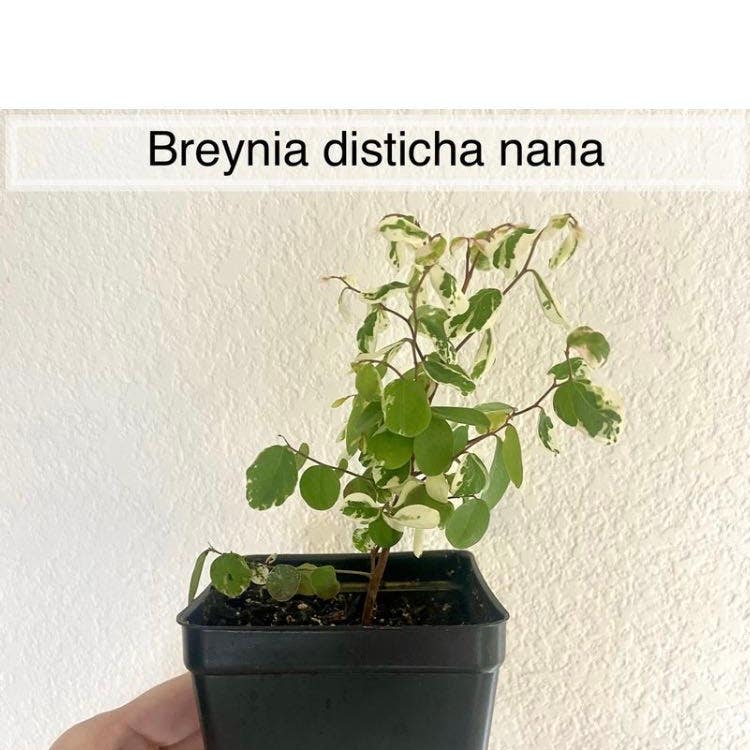
❄️ How to Fix Leaves Falling Over on Your Mini Snow Bush
Breynia disticha 'Nivosa'
By the Greg Editorial Team
Oct 16, 2024•5 min read
This article was created with the help of AI so we can cover more plants for you. May contain errors. See one? Report it here.
Transform drooping leaves into vibrant growth 🌱 with these essential tips for nurturing your mini snow bush back to health!
- 💧 Overwatering and under-watering cause leaf issues; maintain a consistent watering schedule.
- ☀️ Mini snow bush needs 6-8 hours of sunlight daily for optimal growth.
- 🐛 Pest infestations like aphids can damage your plant; inspect regularly for early detection.
Causes of Leaf Droop
💧 Overwatering and Its Effects
Overwatering is a common issue that can lead to significant problems for your mini snow bush. Symptoms include yellowing leaves, mushy stems, and even root rot.
Excess moisture weakens the roots, causing the leaves to droop. To avoid this, ensure that the soil is dry to the touch 1-2 inches below the surface before watering.
🚰 Under-watering and Its Effects
On the flip side, under-watering can also cause your plant to suffer. Look out for crispy, dry leaves and wilting as key symptoms.
When the plant doesn't receive enough water, it becomes dehydrated, leading to drooping leaves. Water your mini snow bush when the top inch of soil feels dry to maintain its health.
🌞 Light Requirements and Leaf Droop
Light plays a crucial role in the health of your mini snow bush. Ideally, it should receive full sun for 6-8 hours daily for optimal growth.
If you notice stretched stems and drooping leaves, your plant may not be getting enough light. Consider moving it to a brighter location to improve its condition.
🐜 Pest Infestations and Their Impact
Pest infestations can wreak havoc on your mini snow bush. Common culprits include aphids and spider mites, which can cause discolored leaves, webbing, and leaf drop.
Early detection is key to preventing severe infestations. Regular inspections can help you catch these pests before they cause significant damage.
🌱 Soil Drainage Issues
Well-draining soil is essential for the health of your mini snow bush. Poor drainage can lead to root rot and hinder healthy growth.
Signs of inadequate drainage include water pooling on the surface and soggy soil. To improve drainage, consider mixing potting soil with perlite or sand for better results.
Understanding these causes of leaf droop is vital for maintaining a healthy mini snow bush. With this knowledge, you can take proactive steps to ensure your plant thrives.
Diagnosing the Problem
🌧️ Signs of Overwatering vs. Under-watering
Overwatering can lead to yellowing leaves, root rot, and a foul smell from the soil. In contrast, under-watering results in wilting leaves, dry soil, and crispy edges.
🐛 Identifying Pest Damage
Conduct a visual inspection by looking for pests on the undersides of leaves and any signs of damage. Compare healthy leaves to affected ones to spot clear differences.
☀️ Assessing Light Conditions
Evaluate whether your plant receives adequate sunlight throughout the day. If it seems lacking, consider moving it closer to a window or providing supplemental lighting.
🌱 Evaluating Soil Quality and Drainage
Check the soil texture to ensure it is loose and drains well. Perform a drainage test by watering the plant and observing how quickly the excess drains away.
By diagnosing these issues, you can take the necessary steps to restore your mini snow bush to its vibrant self. Next, let’s explore effective solutions and treatments to address these problems.
Solutions and Treatments
🌊 Adjusting Watering Practices
Establishing a consistent watering schedule is crucial for your mini snow bush. Monitor soil moisture regularly to determine when it’s time to water.
Using a moisture meter can provide accurate readings, ensuring you don’t overwater or underwater your plant. Remember to allow the soil to dry out between watering sessions for optimal health.
🕳️ Improving Soil Drainage
Repotting your plant in a well-draining soil mix can make a significant difference. Consider adding perlite or sand to enhance drainage and prevent root rot.
Ensure your pot has drainage holes to allow excess water to escape. This simple step can save your plant from soggy soil conditions.
🐞 Pest Control Methods
For pest control, organic options like neem oil or insecticidal soap are effective against common pests such as aphids and spider mites. Regular monitoring is key; inspect your plants weekly for early signs of infestations.
Catching pests early can prevent severe damage and keep your mini snow bush thriving.
☀️ Modifying Light Exposure
If your plant shows signs of inadequate light, relocating it to a sunnier spot can help. Ensure it receives at least 6-8 hours of sunlight daily for optimal growth.
During winter months, consider using grow lights if natural light is insufficient. This can provide the extra boost your plant needs.
🌡️ Environmental Adjustments
Maintaining stable temperatures is essential for your mini snow bush. Avoid placing it near drafts or heat sources, as fluctuations can stress the plant.
If necessary, increase humidity by using a humidity tray or misting the plant occasionally. A little extra moisture can go a long way in promoting healthy growth.
By implementing these solutions, you can address the common issues that lead to drooping leaves. Next, let’s explore some preventative measures to keep your mini snow bush healthy and vibrant.
Preventative Measures
Best Practices for Care 🌱
Regularly checking soil moisture is crucial for your mini snow bush. Adjust your watering routine based on what you find to keep your plant thriving.
Providing adequate light is equally important. Ensure your plant is in a well-lit area and keep an eye out for any pest issues.
Seasonal Care Tips 🍂
As the seasons change, so should your watering frequency. Be mindful of your plant's growth patterns and adjust accordingly.
Fertilizing during the growing season can significantly boost healthy foliage. This simple step can make a world of difference in your plant's vitality.
Regular Maintenance Routines ✂️
Pruning dead or damaged leaves encourages new growth. It's a straightforward way to keep your mini snow bush looking its best.
Cleaning leaves to remove dust is another essential task. This helps improve photosynthesis and keeps your plant healthy.
Monitoring Plant Health 📓
Keeping a journal of watering, light exposure, and any changes in plant health can be incredibly beneficial. This practice allows you to track what works and what doesn’t.
Regularly assessing for signs of stress or pest infestations is key. Early detection can save your plant from more significant issues down the line.
By implementing these preventative measures, you can ensure your mini snow bush remains healthy and vibrant. Next, let’s explore how to diagnose specific problems when they arise.
⚠️ Safety First
This content is for general information and may contain errors, omissions, or outdated details. It is not medical, veterinary advice, or an endorsement of therapeutic claims.
Always consult a qualified healthcare professional before using any plant as food, medicine, or supplement.
Never eat any plant (or feed one to pets) without confirming its identity with at least two trusted sources.
If you suspect poisoning, call Poison Control (800) 222-1222, the Pet Poison Helpline (800) 213-6680, or your local emergency service immediately.
Spotted an error? Please report it here.
Keep your mini snow bush thriving and vibrant 🌿 by using Greg's tailored watering reminders and moisture tracking to ensure it gets the care it needs!