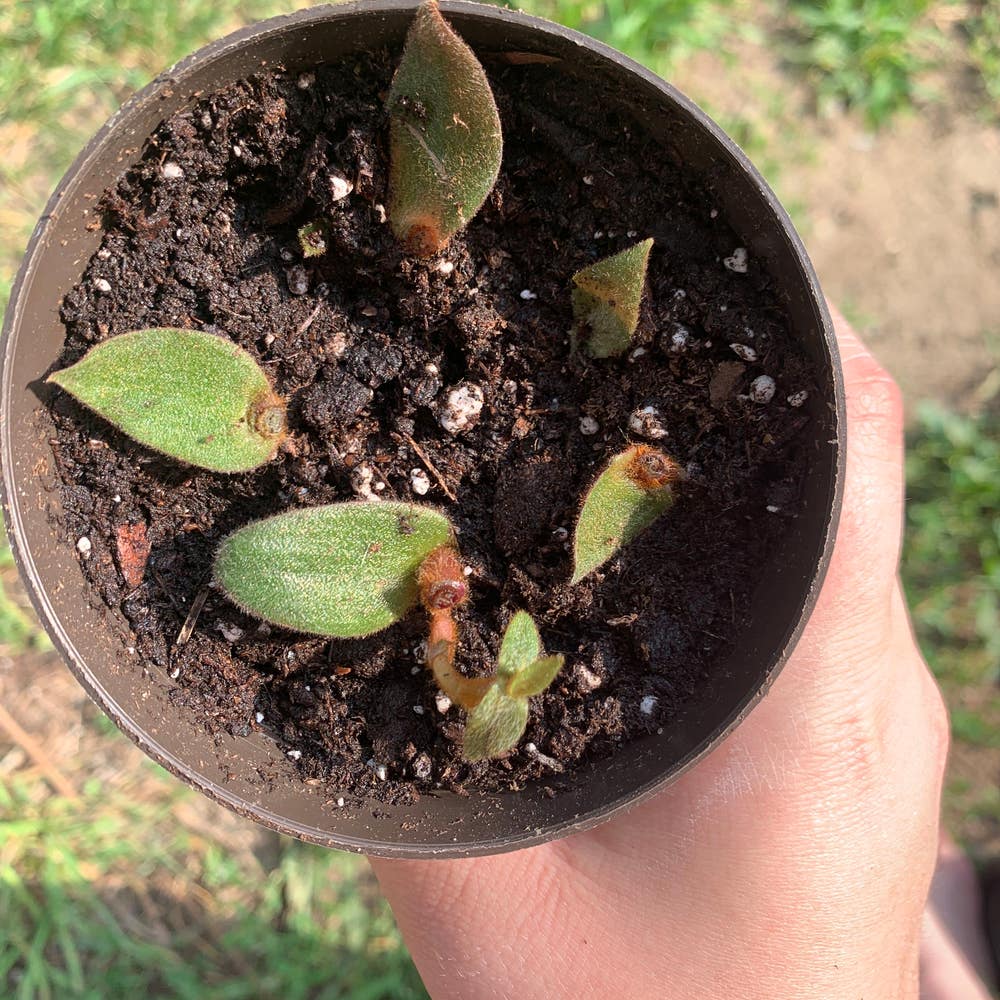
7 Ideal Locations to Plant Your Kitten Ear Plant 🐱
Cyanotis somaliensis
By the Greg Editorial Team
Oct 19, 2024•5 min read
This article was created with the help of AI so we can cover more plants for you. May contain errors. See one? Report it here.
Unlock your Kitten Ear Plant's full potential 🌱 with essential sunlight and soil tips for vibrant growth!
- 🌞 Kitten Ear Plants need 4-6 hours of direct sunlight for optimal growth.
- 🌱 Loamy, nutrient-rich soil with pH 6.0-7.0 is essential for thriving plants.
- 🌬️ Wind protection is crucial; use walls or companion plants to shield delicate leaves.
Sunlight Exposure Requirements
🌞 Sun Requirements
The Kitten Ear Plant thrives in moderate sunlight, making it essential to find the right balance between full sun and partial shade. Ideally, aim for 4-6 hours of direct sunlight each day to keep your plant healthy and vibrant.
🌅 Assessing Sunlight Patterns
When considering sunlight exposure, morning sun is your best friend. It provides gentle light that helps the plant wake up without the harshness of afternoon heat.
Look for areas that receive dappled sunlight during peak hours. These spots can offer the perfect blend of light and shade, ensuring your Kitten Ear Plant flourishes without stress.
By understanding these sunlight requirements, you can create an ideal environment for your plant to thrive. Next, let’s explore the soil type preferences that will further enhance its growth.
Soil Type Preferences
Ideal Soil Conditions 🌱
The Kitten Ear Plant thrives in loamy, nutrient-rich soil. Aim for a soil pH between 6.0 and 7.0, which is slightly acidic to neutral.
Testing Soil Conditions 🧪
Testing your soil is a straightforward process.
- Conduct a soil test: Use a home testing kit to check pH and nutrient levels.
- Amend soil as needed: If your soil lacks nutrients, mix in organic matter like compost to boost fertility and drainage.
- Check drainage: Ensure your soil drains well to prevent waterlogging, which can harm the roots.
By following these steps, you can create an ideal environment for your Kitten Ear Plant to flourish. With the right soil conditions, your plant will be well on its way to thriving in your garden or home.
Next, let’s explore the differences between indoor and outdoor planting strategies to maximize your plant's potential.
Indoor vs. Outdoor Planting Considerations
Indoor Planting Strategies 🌱
For indoor planting, positioning your Kitten Ear Plant near east or west-facing windows is ideal. This placement ensures it receives the optimal light needed for healthy growth.
Choosing the right container is equally important. Always opt for pots with drainage holes to prevent root rot, which can be detrimental to your plant's health.
Outdoor Planting Strategies 🌞
When planting outdoors, look for areas that offer filtered sunlight or partial shade. These conditions help protect your Kitten Ear Plant from the harsh midday sun while still providing enough light.
Consider your garden layout carefully. Position your Kitten Ear Plant away from taller plants that might block sunlight, ensuring it thrives in its chosen spot.
With these strategies in mind, you can create a nurturing environment for your Kitten Ear Plant, whether indoors or outdoors. Next, let’s explore the wind protection needs that will further enhance its growth.
Wind Protection Needs
Importance of Wind Protection 🌬️
Kitten Ear Plant is particularly sensitive to strong winds. These gusts can easily damage its delicate leaves, leading to unsightly tears and stress on the plant.
Strategies for Wind Protection 🛡️
To safeguard your Kitten Ear Plant, consider these effective strategies:
Planting Near Structures: Position your plant close to walls or fences. These structures act as natural windbreaks, providing a buffer against harsh gusts.
Companion Planting: Pair your Kitten Ear Plant with sturdier plants. This not only offers physical protection but can also enhance the overall health of your garden.
By implementing these wind protection strategies, you can ensure your Kitten Ear Plant thrives in a safe environment. Next, let’s explore how to select the ideal site for planting, focusing on sunlight patterns and soil conditions.
Site Selection Strategies
Evaluating Sunlight Patterns ☀️
To ensure your Kitten Ear Plant thrives, start by observing sunlight patterns throughout the day. Track how light shifts in your garden to identify the best spots for planting.
Using a sun calculator can also help determine optimal planting locations. These tools provide insights based on sunlight availability, making your planting decisions easier.
Testing Soil Conditions 🌱
Before planting, conduct soil moisture testing to check if the conditions are suitable. This step is crucial for ensuring your plant has the right environment to flourish.
If your soil needs improvement, consider soil amendment strategies. Adding organic matter can enhance fertility and drainage, creating a healthier habitat for your Kitten Ear Plant.
Understanding Drainage Needs 🚰
Identifying drainage issues is essential for plant health. Look for signs of standing water or compacted soil, which can hinder growth.
If you encounter poor drainage, consider solutions like raised beds. Amending soil with sand or perlite can also improve drainage, ensuring your plant's roots stay healthy.
Choosing the Right Garden Layout 🏡
Planning your garden design is key to maximizing light and space. Think about how you arrange your plants to ensure each one gets the sunlight it needs.
Incorporating pathways into your layout is also important. This allows for easy access, making maintenance and observation a breeze.
Companion Planting Considerations 🌼
Companion planting can significantly enhance the growth of your Kitten Ear Plant. It not only boosts growth but also improves pest resistance.
Consider including plants that thrive alongside your Kitten Ear Plant. These companions can create a more vibrant and resilient garden ecosystem.
With these strategies in mind, you're well on your way to creating an ideal environment for your Kitten Ear Plant. Next, let's explore the specific indoor and outdoor planting considerations to further enhance your gardening success.
⚠️ Safety First
This content is for general information and may contain errors, omissions, or outdated details. It is not medical, veterinary advice, or an endorsement of therapeutic claims.
Always consult a qualified healthcare professional before using any plant as food, medicine, or supplement.
Never eat any plant (or feed one to pets) without confirming its identity with at least two trusted sources.
If you suspect poisoning, call Poison Control (800) 222-1222, the Pet Poison Helpline (800) 213-6680, or your local emergency service immediately.
Spotted an error? Please report it here.
Give your Kitten Ear Plant the ultimate boost 🌞 with Greg's tailored reminders for sunlight and watering, ensuring it thrives in the perfect environment!