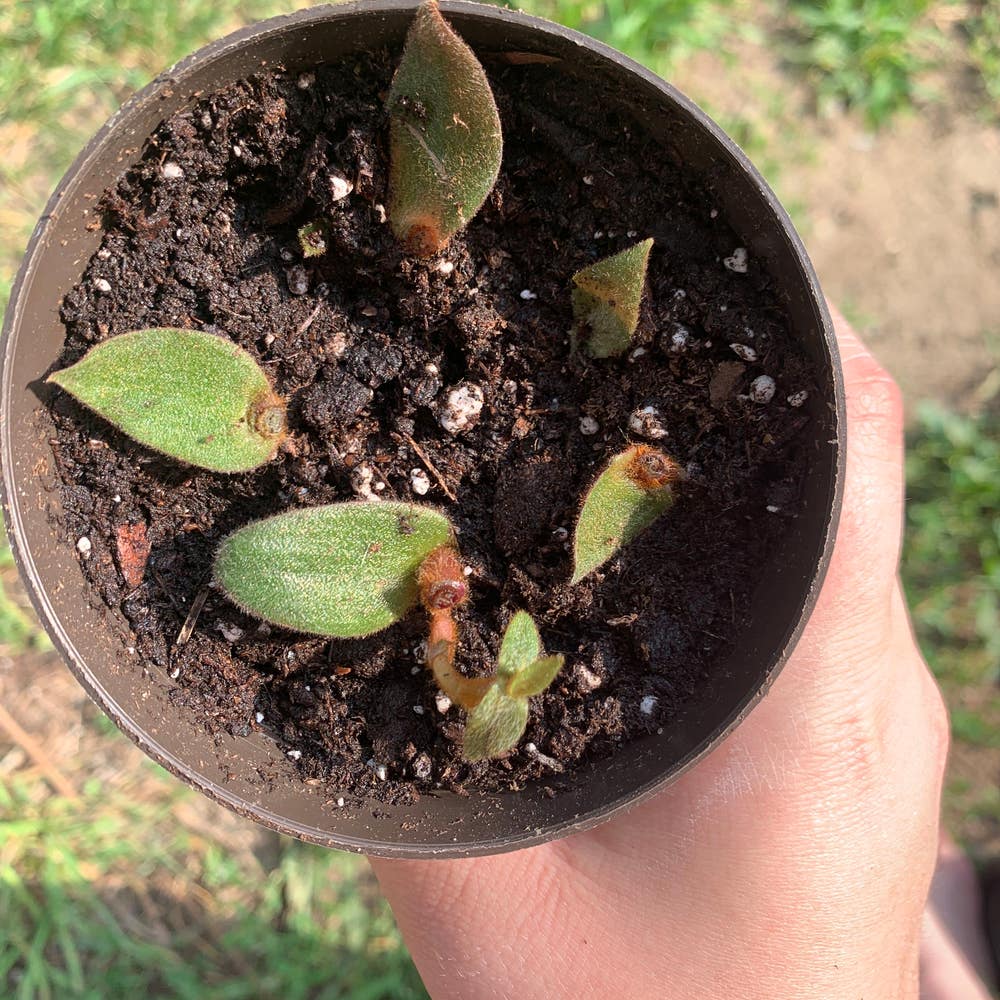
Diagnosing Pussy Ears Root Rot
Cyanotis somaliensis
By the Greg Editorial Team
Jun 18, 2024•5 min read
This article was created with the help of AI so we can cover more plants for you. May contain errors. See one? Report it here.
Stop root rot 🚫 in its tracks and keep your Pussy Ears thriving with our essential diagnosis guide! 🌿
- Yellow leaves and mushy roots signal Pussy Ears root rot.
- Prune and adjust soil/watering to combat and prevent rot.
- Use appropriate antifungals and follow instructions for treatment.
Spotting the Red Flags: Early Symptoms of Root Rot in Pussy Ears
🚩 Visual Distress Signals
Yellowing leaves in Pussy Ears are the plant equivalent of a distress flare. Don't ignore the change; it's a cry for help. Similarly, wilting is a sign that your plant is more than just under the weather—it's in dire straits.
Mushy roots are the plant's version of a white flag. If the roots feel like they've been soaking in a swamp, it's a clear indicator that root rot has set in. Take action immediately.
👃 The Smell Test
A healthy Pussy Ears plant shouldn't smell like last week's forgotten leftovers. If there's a foul odor coming from the soil, it's a dead giveaway that root rot is present. Trust your nose—it's one of the best tools for early detection.

Getting to the Root of the Problem: Diagnosing Root Rot
🕵️♂️ Inspecting Below the Surface
To unearth the truth about your Pussy Ears' health, start with a gentle excavation. Remove the plant from its pot with care and shake off excess soil to expose the roots. Healthy roots should be firm and sport a creamy white color, not unlike a fresh stick of mozzarella. But if they're taking on the look of soggy, brown strings of licorice, you've got a case of root rot on your hands.
🤔 Differentiating Root Rot from Other Issues
Now, don't go blaming all your plant woes on root rot. It's easy to mistake its symptoms for a nutrient deficiency or even a pest invasion. If the roots are dark yet brittle, rather than soft, you might be underwatering. It's a delicate balance, like the tightrope between too much and too little. And remember, leaves often tattle on root issues—yellowing, wilting, or a general look of despair. If your plant's leaves are waving white flags, it's time to inspect the roots. If you're still scratching your head, consider a soil test to confirm the presence of fungal foes.

Taking Action: Immediate Steps to Alleviate Root Rot
🌿 Pruning for Plant Health
Grab your sterilized shears; it's time to play plant surgeon. Here's how you give your Pussy Ears a fighting chance:
- Gently remove the plant from its pot, shaking off excess soil.
- Run water over the roots to wash away remaining dirt and expose the rotten parts.
- Snip off all mushy, discolored roots—no mercy for the rot.
- Match the root pruning with a proportional foliage trim to reduce stress.
💧 Soil and Water Overhaul
Now, let's talk dirt and water—because your plant's life literally depends on it.
- Revamp the soil: Mix in perlite or sand to get that water flowing through like a river, not a swamp.
- Watering routine: Only water when the soil feels like a dry handshake—no more soggy greetings.
- Potting mix: If you're repotting, go for a fresh, well-draining mix. It's like upgrading your plant to a penthouse with better airflow.
- Elevation: Consider raising the stakes, literally. Raised beds or berms can be a game-changer for drainage.
Remember, overwatering is the root rot's best friend. Keep it at bay with a balanced watering routine tailored for your Pussy Ears.

Fungal Foes: Treating the Root Cause
🌿 Choosing the Right Antifungal Weapons
When Pussy Ears succumb to the clutches of root rot, reaching for the right fungicide is like choosing the perfect arrow from your quiver. Natural options like neem oil can bolster your plant's defenses, while biological fungicides work to outwit those pesky, resistant fungi. If the situation calls for heavier artillery, copper-based fungicides or the likes of Daconyl come into play. Remember, it's not just about picking a weapon; it's about knowing how to use it—rotate your fungicides to keep the enemy guessing.
🎯 Best Practices for Fungicide Use
In the battle against root rot, the key to victory is application precision. Don't just douse your plant in a chemical shower; follow the label's instructions like it's a treasure map to healthy flora. Apply fungicides when the plant is mature enough to handle it, and adjust the frequency based on the weather—more often during the monsoon season, less so when it's dry. And here's a pro tip: keep those leaves as dry as a humorist's wit. Wet foliage is a fungal fiesta, and you're not sending out invites. If you're wielding a fungicide, wield it wisely—overuse is like pouring salt in the wound, and underuse is like bringing a knife to a gunfight.
Keeping Root Rot at Bay: Prevention Strategies
💧 Watering Wisdom
Balanced watering is the cornerstone of Pussy Ears' health. Water only when the top inch of soil is dry, avoiding the extremes of a swamp or a desert. This isn't a guessing game; use the finger test or a moisture meter to gauge the soil's thirst. Remember, overwatering is the fast track to root rot city.
🌱 Soil Vigilance
Well-draining soil isn't just a preference; it's a necessity for Pussy Ears. Mix in perlite or sand to keep those roots breathing and free from moisture's suffocating embrace. Choose pots with drainage holes that could rival Swiss cheese in aeration. And if you're feeling fancy, add a layer of gravel at the bottom for that extra drainage oomph.
🌍 Environmental Control to Discourage Root Rot
Rotate your pots periodically for even growth and to prevent the onset of disease—it's like giving your plant a little twirl. Keep your tools and pots sanitized; think of it as hygiene for plant health. Remove old leaves and debris promptly, because cleanliness isn't just about aesthetics; it's a full-blown root rot deterrent.
⚠️ Safety First
This content is for general information and may contain errors, omissions, or outdated details. It is not medical, veterinary advice, or an endorsement of therapeutic claims.
Always consult a qualified healthcare professional before using any plant as food, medicine, or supplement.
Never eat any plant (or feed one to pets) without confirming its identity with at least two trusted sources.
If you suspect poisoning, call Poison Control (800) 222-1222, the Pet Poison Helpline (800) 213-6680, or your local emergency service immediately.
Spotted an error? Please report it here.
Revive your wilting 🌱 Pussy Ears by using Greg to accurately diagnose root rot and guide you through a tailored recovery plan!