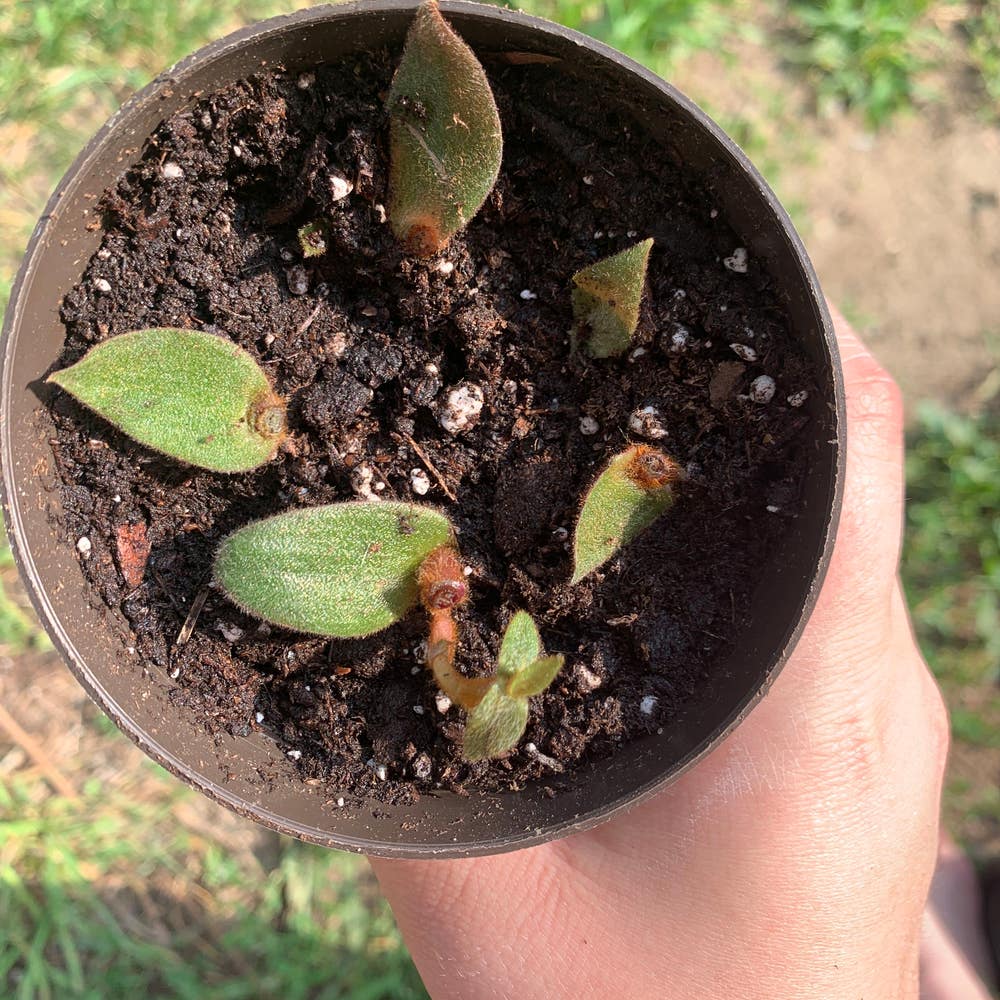
Kitten Ear Plant Growth: Height vs. Width 🐱
Cyanotis somaliensis
By the Greg Editorial Team
Oct 19, 2024•6 min read
This article was created with the help of AI so we can cover more plants for you. May contain errors. See one? Report it here.
Master Kitten Ear plant growth 🌱 with essential tips for thriving size and vibrant health in your space!
- 🌱 Kitten Ear plants grow 12-24 inches tall and 12-18 inches wide under optimal conditions.
- ☀️ Full sun and humidity boost growth, while poor soil and shade stunt it.
- 🕒 Growth can take 1-2 years in ideal conditions; less optimal may extend to 3-4 years.
Mature Height and Spread
Typical Dimensions 🪴
The Kitten Ear plant typically reaches a mature height of 12 to 24 inches. Its spread usually ranges from 12 to 18 inches, making it a lovely addition to any garden or indoor space.
Factors Influencing Mature Size 🌱
Several factors can influence the mature size of your Kitten Ear plant.
Environmental Conditions ☀️
Light, temperature, and humidity play crucial roles in its growth.
- Light: Full sun encourages robust growth, while too much shade can stunt it.
- Temperature: Ideal temperatures help the plant thrive, while extremes can hinder development.
- Humidity: A humid environment can boost growth, especially in warmer months.
Growth Medium 🌍
The type of soil and its drainage capabilities are vital for healthy growth.
- Soil Type: Nutrient-rich soil supports better growth, while poor soil can limit size.
- Drainage: Good drainage prevents root rot and promotes healthy roots.
Care Practices 💧
Your watering and fertilization routines significantly impact the plant's size.
- Watering: Consistent moisture is key; too little or too much can affect growth.
- Fertilization: Regular feeding with the right nutrients encourages a fuller, healthier plant.
Understanding these factors can help you cultivate a thriving Kitten Ear plant that reaches its full potential. With the right care, you’ll enjoy its lush growth and vibrant presence in your space.
As you consider these elements, let’s explore how growth rates can vary under different conditions.
Growth Rate and Time to Full Size
Average Growth Rate 🌱
The growth rate of Kitten Ear plants can vary significantly based on environmental conditions. Under optimal conditions, these plants can achieve their full size in just 1 to 2 years.
In contrast, if conditions are less than ideal, growth can slow considerably, extending the timeframe to 3 to 4 years. Factors like light, temperature, and humidity play crucial roles in this process.
Timeframe to Maturity ⏳
Typically, it takes about 12 to 24 months for a seedling to develop into a mature plant when nurtured in ideal conditions. Seasonal changes can also impact growth rates, with some seasons promoting faster development than others.
Understanding these timelines helps you set realistic expectations for your Kitten Ear plant's growth journey. With the right care, you can enjoy a thriving plant in no time!
Size Variability in Different Conditions
Environmental Impact on Size 🌍
The size of your Kitten Ear plant can vary significantly based on environmental factors. Light exposure plays a crucial role; plants in full sun typically grow taller and fuller than those in partial shade.
Watering practices also influence size. Consistent moisture encourages robust growth, while drought conditions can stunt development.
Soil quality is another key factor. Nutrient-rich soil promotes healthy growth, whereas poor soil can limit the plant's potential.
Growth Habits in Varied Conditions 🌱
When comparing growth in containers versus ground planting, you'll notice distinct differences. Container plants often have restricted root space, which can lead to smaller sizes.
In contrast, plants grown in the ground usually have more room to expand, resulting in larger dimensions.
Additionally, indoor versus outdoor settings can affect size. Indoor plants may grow slower due to lower light levels, while outdoor plants thrive in natural sunlight.
Understanding these variables can help you optimize your Kitten Ear plant's growth. By adjusting light, water, and soil conditions, you can achieve the desired size for your space.
Next, let’s explore the fascinating world of dwarf and giant varieties of the Kitten Ear plant.
Dwarf and Giant Varieties
Dwarf Varieties 🌱
Dwarf varieties of the Kitten Ear plant are perfect for those with limited space. Typically, they reach heights of just 6-12 inches, making them ideal for container gardening or small indoor areas.
These compact plants offer a delightful option for urban dwellers or anyone looking to add greenery without overwhelming their space. Their smaller size doesn’t compromise their charm; they still bring vibrant foliage and character to any setting.
Giant Varieties 🌳
On the other end of the spectrum, giant varieties can exceed 24 inches in both height and spread. These impressive plants require more room and care, making them suitable for spacious gardens or outdoor settings.
When considering a giant variety, think about the space you have available. They can become stunning focal points but need ample room to thrive and showcase their full potential.
Understanding the differences between dwarf and giant varieties helps you choose the right plant for your environment. Whether you opt for a petite companion or a towering beauty, each variety brings its unique flair to your plant collection.
As you explore these options, consider how each type fits into your gardening goals and lifestyle. This knowledge will guide you in creating a thriving green space that reflects your personal style.
Next, we’ll delve into controlling the size of your Kitten Ear plants, ensuring they flourish just the way you want them to.
Controlling Size
Managing the size of your Kitten Ear plant can be both an art and a science. With the right techniques, you can ensure your plant thrives while fitting perfectly into your space.
✂️ Pruning Techniques
Timing is crucial when it comes to pruning. The best practice is to prune during the growing season, typically in spring or early summer, to encourage healthy regrowth.
You can choose between two primary methods: pinching back growth or cutting back stems. Pinching encourages bushier growth, while cutting back stems can help control height.
📏 Growth Management Strategies
To maintain your desired size, regular monitoring is key. Adjust your watering and fertilization routines to support the plant's growth without allowing it to become too large.
In some cases, growth regulators can be beneficial. These substances help control plant size and promote a more compact growth habit, but use them sparingly and with caution.
🌱 Seasonal Considerations for Size Control
Different seasons call for different care practices. Spring is ideal for pruning, while summer may require more frequent monitoring of growth.
As seasons change, adjust your care practices accordingly. For instance, during fall and winter, reduce watering to prevent excessive growth and prepare your plant for dormancy.
Controlling the size of your Kitten Ear plant not only enhances its aesthetic appeal but also ensures it remains healthy. Next, let’s explore the fascinating world of dwarf and giant varieties, which offer unique characteristics and care requirements.
⚠️ Safety First
This content is for general information and may contain errors, omissions, or outdated details. It is not medical, veterinary advice, or an endorsement of therapeutic claims.
Always consult a qualified healthcare professional before using any plant as food, medicine, or supplement.
Never eat any plant (or feed one to pets) without confirming its identity with at least two trusted sources.
If you suspect poisoning, call Poison Control (800) 222-1222, the Pet Poison Helpline (800) 213-6680, or your local emergency service immediately.
Spotted an error? Please report it here.
Create the perfect environment for your Kitten Ear plant to thrive, and let Greg's personalized care reminders guide you to a blooming success 🌿 that will make your home flourish!