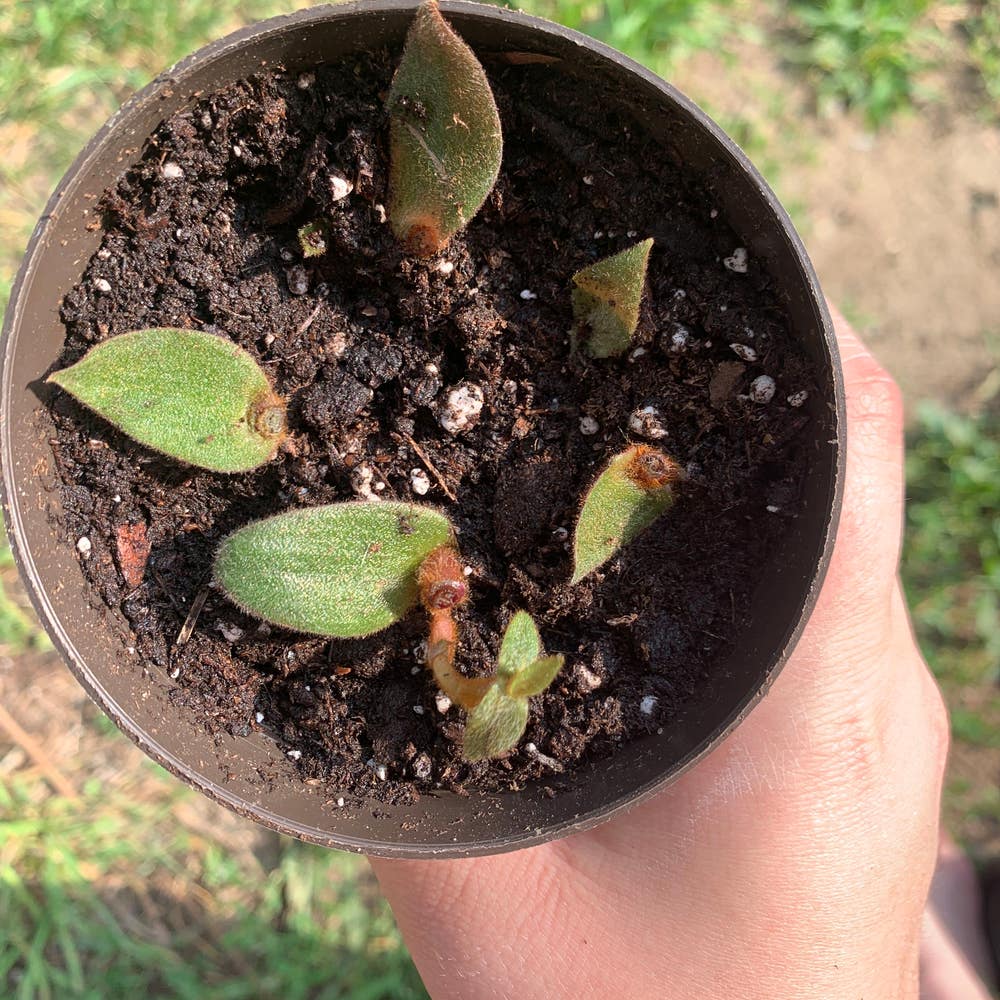
Ultimate Guide to Temperature for Kitten Ear Plant 🐱
Cyanotis somaliensis
By the Greg Editorial Team
Oct 19, 2024•5 min read
This article was created with the help of AI so we can cover more plants for you. May contain errors. See one? Report it here.
Master temperature management 🌡️ to keep your Kitten Ear Plant thriving and stress-free all year round!
- 🌡️ Kitten Ear Plant thrives between 65°F and 85°F; avoid extremes for health.
- ❄️ Temperatures below 50°F cause leaf drop; keep it warm and cozy!
- 🔥 Excessive heat above 90°F leads to wilting; provide shade in summer.
Temperature Thresholds for Health
Critical Temperature Ranges 🌡️
Understanding the critical temperature ranges for your Kitten Ear Plant is essential for its health. When temperatures dip below 50°F (10°C), the plant faces risks like leaf drop and discoloration.
Conversely, temperatures exceeding 90°F (32°C) can lead to wilting and leaf burn. It's crucial to recognize that while the Kitten Ear Plant is resilient, it has specific temperature needs that must be met for optimal growth.
Resilience and Temperature Needs 🌴
This plant thrives in a warm environment, reflecting its tropical origins. Maintaining a stable temperature within its preferred range ensures vibrant leaves and robust growth.
By monitoring these temperature thresholds, you can prevent stress and keep your Kitten Ear Plant flourishing. Next, let’s explore the effects of temperature stress and how to identify signs of distress in your plant.
Effects of Temperature Stress
❄️ Signs of Cold Stress
Cold stress can be a real issue for your kitten ear plant. Look out for sudden leaf drop, especially from the lower leaves, which is a clear sign that the plant is struggling.
Discoloration is another telltale sign; yellowing or browning leaves indicate that the plant is not happy with the cold. You might also notice stunted growth, where the plant's overall vigor takes a hit.
🔥 Signs of Heat Stress
On the flip side, heat stress can manifest in several ways. If you see wilting leaves that droop despite adequate watering, it’s a sign your plant is feeling the heat.
Leaf burn is another concern; brown, crispy edges on leaves signal that temperatures are too high. Additionally, premature leaf drop can occur when the plant is overwhelmed by excessive heat.
⚠️ Common Causes of Temperature Stress
Temperature stress often arises from sudden fluctuations. Rapid changes, whether from drafts or nearby heat sources, can shock your plant.
Inadequate protection is also a culprit. During colder months, lack of insulation can expose your plant to harsh conditions, while direct sunlight in summer can lead to overheating.
Understanding these signs and causes can help you take proactive steps to keep your kitten ear plant thriving. Next, let’s explore seasonal temperature considerations to ensure your plant remains healthy year-round.
Seasonal Temperature Considerations
🌡️ Temperature Changes Throughout the Year
Understanding seasonal temperature variations is crucial for the health of your Kitten Ear Plant. Each season brings its own temperature challenges that can significantly impact growth and vitality.
- Spring: Temperatures typically range from 50°F to 70°F (10°C to 21°C), ideal for new growth.
- Summer: Expect warmer conditions, often exceeding 70°F (21°C). While the plant thrives, be cautious of extreme heat above 90°F (32°C).
- Fall: Temperatures begin to drop, usually between 50°F and 70°F (10°C to 21°C). This transition can stress the plant if not monitored.
- Winter: Cold snaps can bring temperatures below 50°F (10°C), risking leaf drop and discoloration.
🛡️ Protection from Seasonal Extremes
To keep your Kitten Ear Plant thriving, seasonal protection strategies are essential.
Winter Protection
- Move Indoors: If temperatures dip below 50°F (10°C), bring your plant inside.
- Use Plant Covers: Insulating covers can shield your plant from harsh winds and frost.
Summer Care Tips
- Provide Shade: During peak sun hours, ensure your plant has some shade to prevent leaf burn.
- Use Fans for Air Circulation: Keeping air moving can help mitigate heat stress, especially in enclosed spaces.
By staying aware of seasonal changes and implementing protective measures, you can ensure your Kitten Ear Plant remains healthy and vibrant year-round. Next, let’s explore the geographic and environmental factors that influence temperature management for your plant.
Geographic and Environmental Factors
🌡️ Native Habitat Temperature Conditions
The Kitten Ear Plant thrives in tropical and subtropical regions, where temperatures are consistently warm. These environments typically range from 65°F to 85°F (18°C to 29°C), providing a stable climate that supports healthy growth.
Understanding these native conditions is crucial for effective care. Mimicking this warmth indoors can help your plant flourish, preventing stress and promoting vibrant foliage.
🏠 Indoor vs. Outdoor Temperature Stability
Temperature stability varies significantly between indoor and outdoor environments. Indoors, temperatures are generally more controlled, shielding plants from sudden fluctuations caused by weather changes.
For optimal indoor placement, choose a spot away from drafts and direct sunlight. This will help maintain a consistent temperature, ensuring your Kitten Ear Plant remains healthy and happy.
Temperature Management Techniques
Best Practices for Maintaining Ideal Temperatures 🌡️
Maintaining the right temperature for your Kitten Ear Plant is crucial for its health. Regularly monitor the temperature using thermometers or temperature apps to ensure it stays within the optimal range.
Adjusting your plant's placement based on seasonal changes can make a significant difference. In colder months, consider moving it closer to a heat source, while in summer, find a spot that offers some shade.
Tools for Monitoring Temperature 📱
Investing in the right tools can simplify temperature management. Digital thermometers are user-friendly and provide accurate readings, while smart plant care apps can alert you to temperature fluctuations.
Consistent monitoring is essential for preventing temperature stress. By keeping an eye on the conditions, you can quickly address any issues that arise, ensuring your Kitten Ear Plant thrives year-round.
With these techniques in place, you’ll be well-equipped to create a stable environment for your plant. Next, let’s explore how seasonal changes can impact temperature and what you can do to protect your plant during these transitions.
⚠️ Safety First
This content is for general information and may contain errors, omissions, or outdated details. It is not medical, veterinary advice, or an endorsement of therapeutic claims.
Always consult a qualified healthcare professional before using any plant as food, medicine, or supplement.
Never eat any plant (or feed one to pets) without confirming its identity with at least two trusted sources.
If you suspect poisoning, call Poison Control (800) 222-1222, the Pet Poison Helpline (800) 213-6680, or your local emergency service immediately.
Spotted an error? Please report it here.
Keep your Kitten Ear Plant happy and healthy 🌱 by using Greg's personalized care reminders to maintain the perfect temperature all year round!