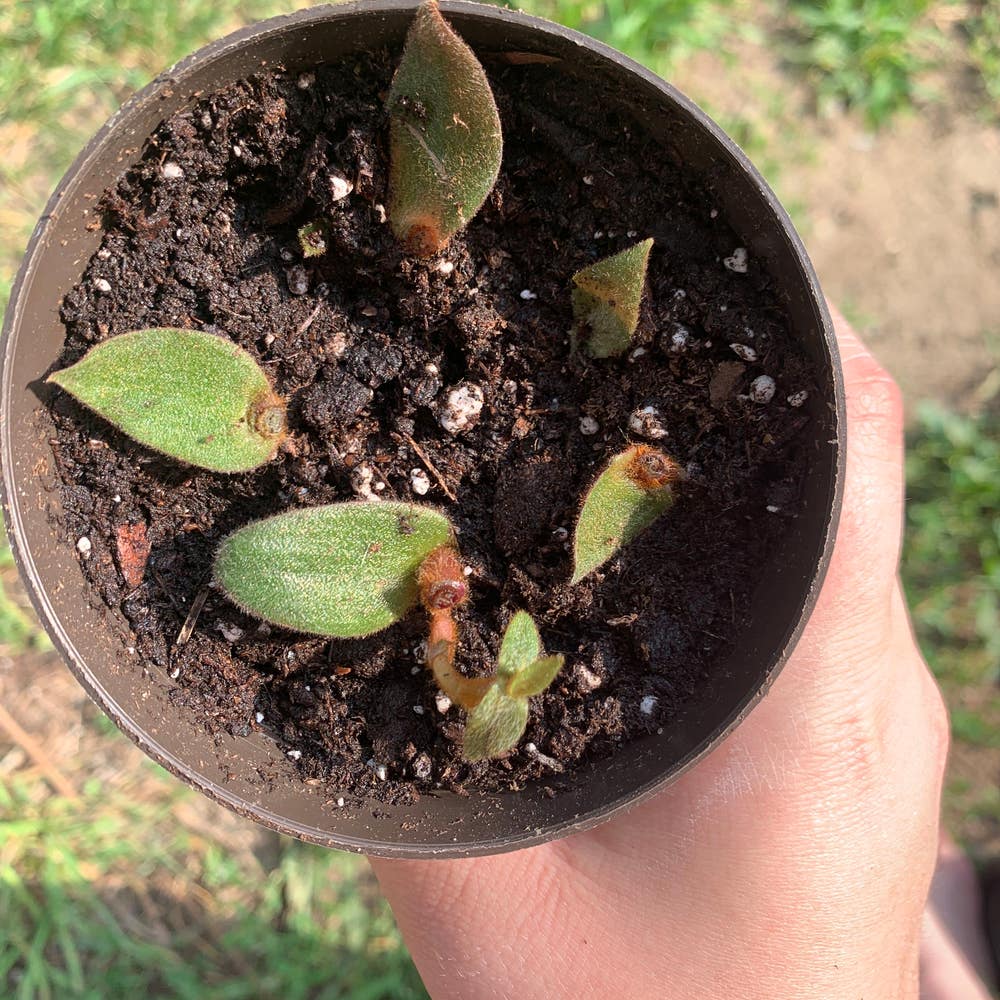
Step-by-Step Guide for When to Plant Kitten Ear Plant 🐱
Cyanotis somaliensis
By the Greg Editorial Team
Oct 19, 2024•9 min read
This article was created with the help of AI so we can cover more plants for you. May contain errors. See one? Report it here.
Unlock a thriving garden by mastering the perfect timing for planting Kitten Ear Plants 🌱 this season!
- 🌱 Plant Kitten Ear Plants after the last spring frost for optimal growth.
- 🌡️ Soil temperatures of 65°F to 75°F ensure successful germination and root development.
- 🗓️ Check regional planting times; they vary by state for best results.
Timing for Planting Kitten Ear Plant
❄️ Frost Dates
Frost dates mark the last spring frost and the first fall frost. Understanding these dates is crucial for planting Kitten Ear Plant, as young seedlings are particularly sensitive to frost damage.
Waiting until after the last frost date ensures your plants have the best chance to thrive. To find local frost dates, check resources like local agricultural extensions, gardening websites, and planting calendars.
🌡️ Soil Temperature
The ideal soil temperature for Kitten Ear Plant ranges from 65°F to 75°F (18°C to 24°C). Measuring soil temperature accurately is essential for successful planting.
Use a soil thermometer for the best results, ideally taking readings in the early morning. Soil temperature significantly impacts seed germination and root development, making it vital to avoid planting in cold soil.
🌞 Day Length
Day length plays a significant role in plant growth. Kitten Ear Plant thrives with longer daylight hours, ideally between 12 to 14 hours.
To determine day length in your area, utilize gardening apps or websites that provide sunrise and sunset times. This knowledge helps you plan your planting schedule effectively.
Understanding these timing factors will set you up for success in growing your Kitten Ear Plant. Next, let’s explore regional planting considerations to further refine your planting strategy.
Regional Planting Considerations
Ideal Planting Months 🌱
When it comes to planting your Kitten Ear Plant, timing is everything. Here’s a quick guide to the best months for planting in various states:
Florida
- Best Planting Time: March to April
Florida's warm climate allows for an early start, making spring the perfect time to get those seedlings in the ground.
California
- Best Planting Time: April to May
With its diverse climates, California offers a window in late spring for optimal growth.
Texas
- Best Planting Time: March to April
Texas gardeners can take advantage of the mild spring weather to plant their Kitten Ear Plants early.
New York
- Best Planting Time: Late May to early June
In New York, waiting until late spring ensures that the risk of frost has passed.
Colorado
- Best Planting Time: Late May to early June
Similar to New York, Colorado's planting window aligns with warmer temperatures and longer days.
Ohio
- Best Planting Time: Late May to early June
Ohio gardeners should also wait until late spring for the best results.
Understanding these regional planting times can significantly enhance your gardening success. By aligning your planting schedule with local conditions, you set your Kitten Ear Plant up for a thriving season.
Next, let’s dive into seed starting techniques to maximize your planting efforts!
Seed Starting Techniques
Indoor Seed Starting vs. Direct Sowing 🌱
Starting your Kitten Ear Plant seeds indoors can be a game changer. It allows for a longer growing season and gives you better control over environmental conditions.
On the flip side, direct sowing is all about simplicity. It reduces transplant shock, making it easier for your plants to thrive right from the start.
Timing Considerations ⏰
For indoor seed starting, aim to begin 6-8 weeks before the last frost date. This timing ensures your seedlings are strong and ready to face the outdoors.
If you prefer direct sowing, wait until after the last frost date when soil temperatures are optimal. This approach helps your seeds germinate in the best conditions possible.
Understanding these techniques will set you up for success as you embark on your gardening journey. Next, let’s explore the factors influencing planting timing to ensure your Kitten Ear Plants flourish.
Factors Influencing Planting Timing
🌍 Climate Zones and USDA Hardiness Zones
Understanding climate zones is crucial for successful planting. These zones help gardeners determine which plants thrive in their specific environment.
Kitten Ear Plant is best suited for USDA Hardiness Zones 9 to 11. This means it flourishes in warmer climates, where frost is less of a concern.
🌱 Specific Varieties and Their Needs
Different varieties of Kitten Ear Plant can have varying growth rates and requirements. Some may be more resilient to heat, while others prefer slightly cooler conditions.
Choosing the right variety can significantly influence your planting timing. For instance, faster-growing varieties might be ready for harvest sooner, allowing for earlier planting.
Comprehensive Planting Guide
List of All 52 States and Optimal Planting Times 🌱
Here's a handy table to help you determine the best months for planting Kitten Ear Plant across the United States. Knowing when to plant can make all the difference in your gardening success.
| State | Optimal Planting Months |
|---|---|
| Alabama | March to April |
| Alaska | June to July |
| Arizona | March to April |
| Arkansas | March to April |
| California | April to May |
| Colorado | Late May to early June |
| Connecticut | Late May to early June |
| Delaware | Late May to early June |
| Florida | March to April |
| Georgia | March to April |
| Hawaii | Year-round |
| Idaho | Late May to early June |
| Illinois | Late May to early June |
| Indiana | Late May to early June |
| Iowa | Late May to early June |
| Kansas | Late April to May |
| Kentucky | Late April to May |
| Louisiana | March to April |
| Maine | Late May to early June |
| Maryland | Late May to early June |
| Massachusetts | Late May to early June |
| Michigan | Late May to early June |
| Minnesota | Late May to early June |
| Mississippi | March to April |
| Missouri | Late April to May |
| Montana | Late May to early June |
| Nebraska | Late May to early June |
| Nevada | March to April |
| New Hampshire | Late May to early June |
| New Jersey | Late May to early June |
| New Mexico | March to April |
| New York | Late May to early June |
| North Carolina | March to April |
| North Dakota | Late May to early June |
| Ohio | Late May to early June |
| Oklahoma | March to April |
| Oregon | April to May |
| Pennsylvania | Late May to early June |
| Rhode Island | Late May to early June |
| South Carolina | March to April |
| South Dakota | Late May to early June |
| Tennessee | March to April |
| Texas | March to April |
| Utah | April to May |
| Vermont | Late May to early June |
| Virginia | Late April to May |
| Washington | April to May |
| West Virginia | Late May to early June |
| Wisconsin | Late May to early June |
| Wyoming | Late May to early June |
Summary of Key Factors for Successful Planting 🌼
To ensure your Kitten Ear Plant thrives, keep these critical factors in mind:
- Frost Dates: Always plant after the last frost date to protect young seedlings.
- Soil Temperature: Aim for a soil temperature between 65°F to 75°F for optimal germination.
- Day Length: Kitten Ear Plants prefer 12-14 hours of daylight for robust growth.
Regional considerations and variety selection also play a significant role in your planting success. Tailoring your approach based on local conditions can lead to a flourishing garden.
With this knowledge, you're well-equipped to embark on your gardening journey! Happy planting!
⚠️ Safety First
This content is for general information and may contain errors, omissions, or outdated details. It is not medical, veterinary advice, or an endorsement of therapeutic claims.
Always consult a qualified healthcare professional before using any plant as food, medicine, or supplement.
Never eat any plant (or feed one to pets) without confirming its identity with at least two trusted sources.
If you suspect poisoning, call Poison Control (800) 222-1222, the Pet Poison Helpline (800) 213-6680, or your local emergency service immediately.
Spotted an error? Please report it here.
Unlock your best garden yet 🌼 by timing your Kitten Ear Plant planting perfectly with Greg's tailored reminders and local climate insights!