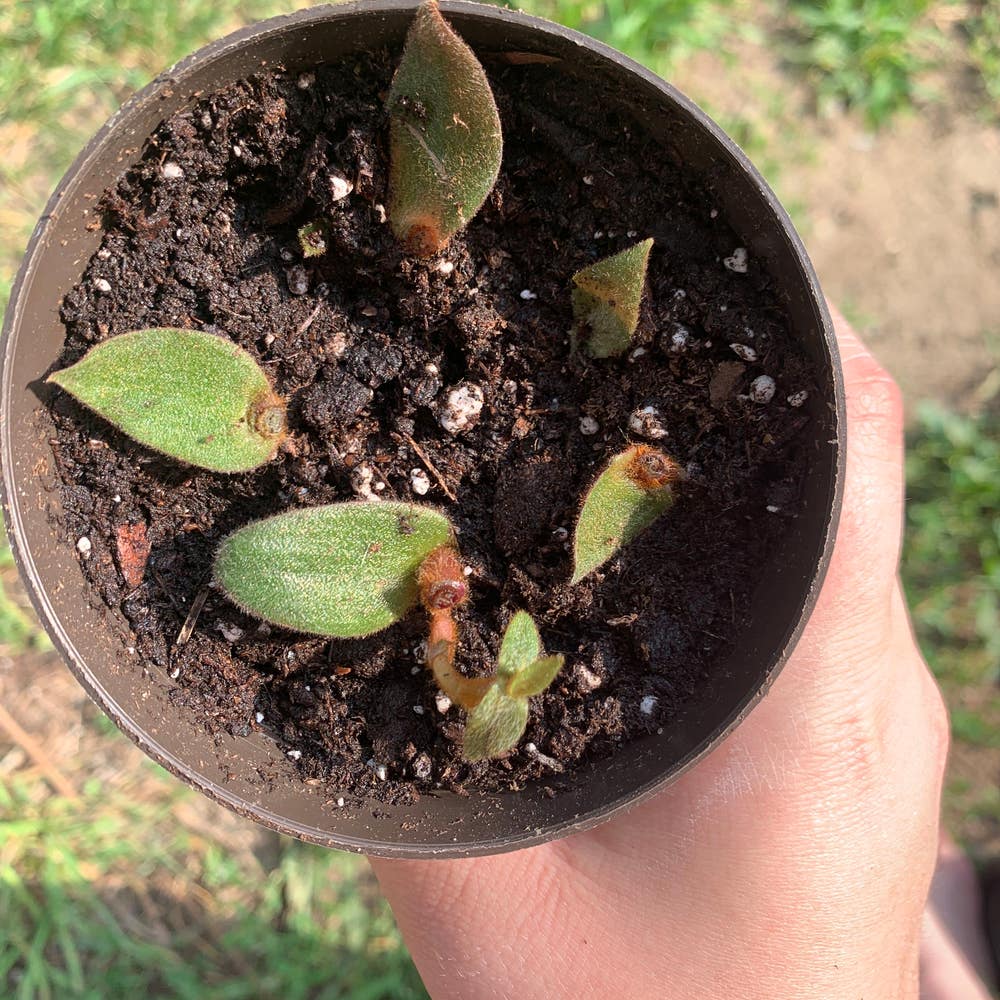
Why Kitten Ear Plant Is A Perennial Plant 🐱
Cyanotis somaliensis
By the Greg Editorial Team
Oct 19, 2024•5 min read
This article was created with the help of AI so we can cover more plants for you. May contain errors. See one? Report it here.
Elevate your garden with the Kitten Ear Plant 🌱, a perennial that blooms vibrantly year after year!
- 🌱 Kitten Ear Plant thrives for years, eliminating the need for annual replanting.
- 🌼 Optimal care ensures vibrant blooms from late spring to early summer.
- 🌍 Adaptable to various climates, it simplifies gardening with low maintenance.
Characteristics of Kitten Ear Plant as a Perennial
🌱 Multi-Year Lifecycle
The Kitten Ear Plant is a true perennial, thriving for multiple years by continuously regenerating from its roots. This multi-year lifecycle sets it apart from annuals and biennials, which must be replanted each season.
Perennials like the Kitten Ear Plant offer significant advantages. They not only save gardeners time and effort but also contribute to a more stable garden ecosystem.
🌿 Growth Patterns and Root Regeneration
One of the standout features of the Kitten Ear Plant is its robust root system. This strong foundation supports longevity and efficient nutrient uptake, allowing the plant to flourish year after year.
Each season, the Kitten Ear Plant emerges anew from the same roots. This seasonal regrowth ensures consistent growth, making it a reliable choice for any garden enthusiast.
With its impressive characteristics, the Kitten Ear Plant is a fantastic addition to perennial gardens. Next, let’s explore its flowering cycles and lifespan.
Flowering and Lifespan
🌸 Flowering Cycles
The Kitten Ear Plant typically flowers during the warmer months, with peak blooming often occurring in late spring to early summer. Conditions such as adequate sunlight and well-drained soil significantly enhance its blooming potential.
The perennial nature of the Kitten Ear Plant allows it to flower year after year. This cyclical blooming is a testament to its robust lifecycle, ensuring that gardeners can enjoy vibrant flowers season after season without the need for replanting.
⏳ Expected Lifespan and Influencing Factors
On average, the Kitten Ear Plant can live for several years, often thriving for up to five years or more under optimal conditions. Healthy plants are a joy to cultivate, providing consistent beauty in the garden.
Several factors can influence the longevity of the Kitten Ear Plant. Key elements include soil quality, water availability, temperature fluctuations, and overall care practices. By paying attention to these aspects, gardeners can significantly enhance the plant's lifespan and vitality.
Understanding these flowering cycles and lifespan expectations helps you appreciate the Kitten Ear Plant's resilience and beauty. As we move forward, let's explore how dormancy and seasonal changes impact this remarkable perennial.
Dormancy and Seasonal Changes
💤 Dormancy Periods
Dormancy is a crucial phase in the lifecycle of the Kitten Ear Plant. During this time, the plant conserves energy and resources, preparing for the next growth cycle.
You can spot signs of dormancy easily. Look for wilting leaves, reduced growth, and a general lack of vibrancy, indicating that the plant is entering this restful state.
🌦️ Seasonal Changes and Their Effects
The Kitten Ear Plant is remarkably adaptable to seasonal changes. It adjusts to variations in temperature and light, ensuring it thrives throughout the year.
These seasonal shifts directly impact its growth and flowering. For instance, during warmer months, you’ll notice a burst of growth, while cooler temperatures may slow down its activity, affecting overall health and blooming patterns.
Understanding these dynamics helps you appreciate the plant's resilience and beauty, making it a rewarding addition to any garden.
Advantages for Gardeners
🌱 Benefits of Perennial Nature
One of the standout advantages of the Kitten Ear Plant is its perennial nature. Gardeners love the convenience of not needing to replant each year, saving both time and effort.
Additionally, the established root systems of these plants provide significant benefits. A strong root system enhances nutrient uptake and stability, ensuring that your garden thrives season after season.
⏳ Long-Term Cultivation
Incorporating Kitten Ear Plant into your long-term garden designs can be a game-changer. Planning for longevity means you can enjoy the beauty of these plants for years to come without the hassle of constant replanting.
To maintain their health and vitality, consider a few best practices. Regular watering, appropriate fertilization, and seasonal pruning can keep your Kitten Ear Plants flourishing, allowing you to reap the rewards of your gardening efforts.
As you embrace the advantages of this perennial plant, you'll find that it not only enriches your garden but also simplifies your gardening routine. Transitioning to a focus on climate zone variations will further enhance your gardening success.
Climate Zone Variations
🌍 Variations in Behavior Across Climates
Climate plays a crucial role in the growth patterns of the Kitten Ear Plant. In warmer climates, you may notice more vigorous growth and earlier flowering, while cooler regions can slow down its development.
The adaptability of the Kitten Ear Plant is one of its standout features. It can thrive in various environments, adjusting its growth habits to suit local conditions. This resilience makes it a favorite among gardeners looking for a reliable perennial.
🌱 Tips for Maximizing Benefits
To get the most out of your Kitten Ear Plant, strategic planting is essential. Choose a location that aligns with your local climate, ensuring it receives the right amount of sunlight and protection from harsh elements.
Seasonal care adjustments can also enhance its growth. For instance, during hotter months, increase watering to keep the soil moist, while in cooler seasons, reduce watering to prevent root rot. Tailoring your care practices to seasonal changes will help your Kitten Ear Plant flourish throughout the year.
With these tips, you can enjoy the beauty and longevity of the Kitten Ear Plant, making it a vibrant addition to your garden.
⚠️ Safety First
This content is for general information and may contain errors, omissions, or outdated details. It is not medical, veterinary advice, or an endorsement of therapeutic claims.
Always consult a qualified healthcare professional before using any plant as food, medicine, or supplement.
Never eat any plant (or feed one to pets) without confirming its identity with at least two trusted sources.
If you suspect poisoning, call Poison Control (800) 222-1222, the Pet Poison Helpline (800) 213-6680, or your local emergency service immediately.
Spotted an error? Please report it here.
Embrace the enduring beauty of the Kitten Ear Plant 🌱 with Greg's tailored care tips, ensuring your perennial thrives year after year without the hassle of replanting!