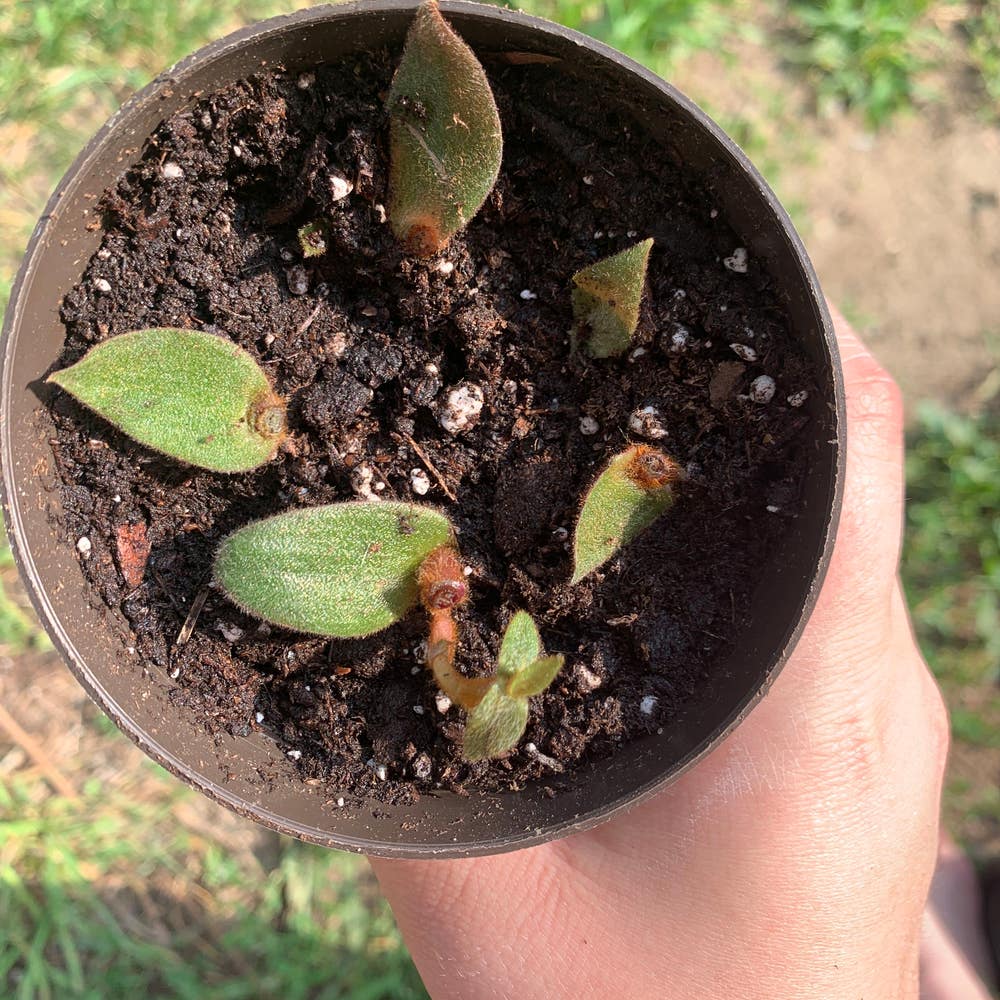
🐱 Why Kitten Ear Plant Is Not an Annual
Cyanotis somaliensis
By the Greg Editorial Team
Oct 19, 2024•5 min read
This article was created with the help of AI so we can cover more plants for you. May contain errors. See one? Report it here.
Unlock your garden's potential with the resilient Kitten Ear Plant's unique traits! 🌱
- 🌱 Kitten Ear Plant is a perennial, thriving long-term with unique genetic traits.
- 🌍 Deep roots enhance nutrient absorption, making it resilient in various environments.
- 🌼 Dormancy periods can mislead; it invests in longevity, not just seasonal blooms.
Kitten Ear Plant Characteristics
🧬 Genetic Traits
The genetic structure of the Kitten Ear Plant is uniquely adapted for long-term survival. Its chromosomal makeup equips it to withstand various environmental challenges, ensuring its resilience even in adverse conditions.
This resilience is not just a fluke; it's a testament to its evolutionary history. The plant's genetic traits allow it to recover from stressors that might devastate less hardy species.
🌱 Physiological Traits Supporting Perennial Classification
One of the standout features of the Kitten Ear Plant is its deep and extensive root system. This robust root network enables efficient nutrient and water absorption, essential for thriving in diverse environments.
Additionally, the plant has a remarkable ability to enter dormancy during unfavorable conditions. This physiological trait allows it to conserve energy and resources, further solidifying its classification as a perennial.
🌼 Growth Patterns and Lifecycle Stages
The lifecycle of the Kitten Ear Plant begins with a vigorous vegetative growth phase. During this stage, the plant focuses on developing lush leaves, setting the foundation for future growth.
As it matures, the timing and duration of its flowering phases become evident. This flowering is not just a spectacle; it plays a crucial role in the plant's reproductive strategy.
Seed production is another critical aspect of its lifecycle. The Kitten Ear Plant employs effective mechanisms for seed dispersal and germination, ensuring its continuation in various habitats.
With a solid understanding of these characteristics, we can now explore how the Kitten Ear Plant compares to true annuals, shedding light on its unique lifecycle.
Lifecycle Comparison
Comparison with True Annuals 🌱
The Kitten Ear Plant has a significantly longer lifecycle compared to true annuals. While annuals complete their life cycle in a single growing season, the Kitten Ear Plant thrives over multiple years, showcasing its perennial nature.
This difference in lifecycle duration leads to distinct growth strategies. True annuals often allocate their energy to rapid growth and immediate reproduction, while the Kitten Ear Plant invests in building a robust root system and enduring resilience.
Implications of Lifecycle on Growth and Flowering 🌼
The perennial nature of the Kitten Ear Plant affects its flowering frequency. Unlike annuals that bloom profusely in a single season, this plant may have more sporadic flowering phases, allowing it to conserve energy for future growth.
When it comes to seed production, the Kitten Ear Plant also differs from annuals. It produces seeds over a longer period, often in smaller quantities, which can lead to a more sustainable approach to reproduction and survival.
Regional Variations and Misconceptions
🌱 Conditions Where Kitten Ear Plant May Be Treated as an Annual
In harsh climates, the Kitten Ear Plant often faces extreme temperatures that can affect its growth perception. When temperatures drop or soar, gardeners might mistakenly view it as an annual due to its reduced activity during these periods.
Poor soil conditions can also lead to misclassification. Nutrient deficiencies may stunt the plant's growth, causing it to appear less resilient and more like a short-lived annual.
🤔 Common Misconceptions About Lifecycle
One common misunderstanding is the confusion between dormancy and death. Many assume that if the Kitten Ear Plant isn’t visibly thriving, it has perished, when in fact, it may simply be resting.
Additionally, the perception of fragility can mislead gardeners. Observing its growth patterns might lead to the false conclusion that it cannot survive long-term, overshadowing its true perennial nature.
Understanding these nuances can help gardeners appreciate the Kitten Ear Plant's resilience and longevity. With the right care, this plant can thrive and bring beauty to gardens for years to come.
As we explore the gardening implications next, you'll discover how to harness the Kitten Ear Plant's perennial traits for a flourishing garden.
Gardening Implications
🌱 Benefits of Planting as a Perennial
Planting Kitten Ear Plant as a perennial is a smart, long-term investment. Unlike annuals, which need to be replanted each year, perennials save you time and money, allowing you to enjoy their beauty season after season.
Additionally, these plants contribute significantly to biodiversity and soil health. Their extensive root systems help improve soil structure and prevent erosion, making them a valuable addition to any garden.
🏡 Strategies for Incorporating into Garden Design
When designing your garden, consider companion planting with Kitten Ear Plant. Pairing it with plants that share similar water and light requirements can enhance growth and create a vibrant ecosystem.
Placement is also crucial for optimal growth and aesthetics. Ensure your Kitten Ear Plants receive adequate sunlight while considering their height and spread to avoid overshadowing smaller plants.
Management Tips for Longevity
Best Practices for Managing as a Perennial 🌱
Watering
Maintaining moisture is crucial for the Kitten Ear Plant. Water deeply but infrequently to encourage strong root development without risking overwatering.
Fertilization
A balanced fertilizer works wonders for growth. Aim for a schedule of every 4-6 weeks during the growing season, using a mix that supports flowering.
Tips for Maximizing Growth and Flowering 🌼
Pruning
Regular pruning encourages bushier growth and more blooms. Trim back leggy stems after flowering to promote a fuller appearance.
Pest Management
Protect your plant with organic pest control methods. Neem oil or insecticidal soap can effectively manage common pests without harming beneficial insects.
Seasonal Considerations for Care ❄️
Winter Preparation
As temperatures drop, prepare your Kitten Ear Plant for winter. Mulch around the base to insulate roots and reduce frost damage.
Spring Awakening
Watch for signs of growth as spring arrives. Adjust your care routine by increasing watering and resuming fertilization to support new growth.
By following these management tips, you can ensure your Kitten Ear Plant thrives year after year, enhancing your garden's beauty and resilience. Next, let’s explore the gardening implications of planting this perennial.
⚠️ Safety First
This content is for general information and may contain errors, omissions, or outdated details. It is not medical, veterinary advice, or an endorsement of therapeutic claims.
Always consult a qualified healthcare professional before using any plant as food, medicine, or supplement.
Never eat any plant (or feed one to pets) without confirming its identity with at least two trusted sources.
If you suspect poisoning, call Poison Control (800) 222-1222, the Pet Poison Helpline (800) 213-6680, or your local emergency service immediately.
Spotted an error? Please report it here.
Discover the resilience of the Kitten Ear Plant as a perennial 🌿, and let Greg guide you with tailored care tips and reminders to help it flourish year after year!