Best Tips for Blooming Kitten Ear Plant 🐱
Cyanotis somaliensis
By the Greg Editorial Team
Oct 19, 2024•4 min read
This article was created with the help of AI so we can cover more plants for you. May contain errors. See one? Report it here.
Uncover the charm of the Kitten Ear Plant 🌱, where effortless blooms and stunning foliage elevate your indoor space!
- 🌸 Kitten Ear Plants bloom with delicate flowers in pale white or light purple.
- 🌱 Self-pollinating nature allows Kitten Ear Plants to thrive without external pollinators.
- ☀️💧 Bright light and moist soil are key for encouraging blooming in Kitten Ear Plants.
If Kitten Ear Plant Flowers
🌸 Flower Characteristics
Description of Colors and Structure
The Kitten Ear Plant boasts delicate flowers that typically display pale white or light purple hues. These small, tubular flowers grow in clusters and are generally less than 1 inch in length, adding a subtle charm to the plant.
Self-Pollination vs. External Pollination
One fascinating aspect of the Kitten Ear Plant is its self-pollinating nature, allowing it to fertilize itself without needing external help. While it may attract pollinators occasionally, this external pollination is relatively uncommon.
🌼 Blooming Process
Stages of Blooming and Typical Bloom Time
The blooming process begins with initial bud formation, which occurs in late spring. The stages of blooming include:
- Bud formation
- Opening of flowers
- Full bloom
Typically, you can expect blooms from late spring to early summer.
Duration from Bud Formation to Full Bloom
From the moment buds form, it takes approximately 2-3 weeks for the flowers to reach full bloom. This relatively quick transition is a delight for plant enthusiasts.
Lifespan of Flowers
Once in full bloom, the flowers have an average lifespan of about 1-2 weeks before wilting. This brief period of beauty is part of the plant's natural cycle.
🌱 Encouraging Blooms
Tips for Encouraging Blooming
To encourage blooming, ensure your Kitten Ear Plant receives bright, indirect sunlight. Additionally, maintain proper watering by keeping the soil consistently moist but not soggy, and use a balanced fertilizer during the growing season.
Factors Influencing Flowering
Several factors can influence flowering, including environmental conditions like temperature, humidity, and light exposure. A well-maintained plant is more likely to produce blooms, so regular care is essential.
🌿 Post-Flowering
What Happens After the Flowering Period
After the flowering period, you’ll notice that the flowers typically wilt and die off within a few weeks. During this time, the plant may shift its focus to growing new foliage.
Discussion on Whether Kitten Ear Plant Dies After Flowering
Rest assured, the Kitten Ear Plant does not die after flowering; it continues to thrive and grow, ready for the next blooming cycle.
🐝 Pollination Methods
Description of Pollination Methods
The Kitten Ear Plant primarily relies on self-pollination, allowing its flowers to fertilize themselves without external assistance. While external pollination is rare, it may occasionally involve small insects that visit the plant.
This unique reproductive strategy ensures that the Kitten Ear Plant can flourish, whether in bloom or not. Now, let’s explore what happens if your Kitten Ear Plant doesn’t flower.
If Kitten Ear Plant Doesn't Flower
🌿 Primary Ornamental or Functional Features
The Kitten Ear Plant is celebrated for its stunning foliage. Its heart-shaped leaves boast a velvety texture that adds a touch of elegance to any space.
Color variations are another highlight, ranging from vibrant green to variegated patterns and even deep purple hues. These features not only enhance its aesthetic appeal but also make it a popular choice for indoor decor.
Additionally, the Kitten Ear Plant serves functional purposes. It is known for its air purification abilities, contributing to a healthier indoor environment while looking fabulous.
🌱 Reproduction Without Flowers
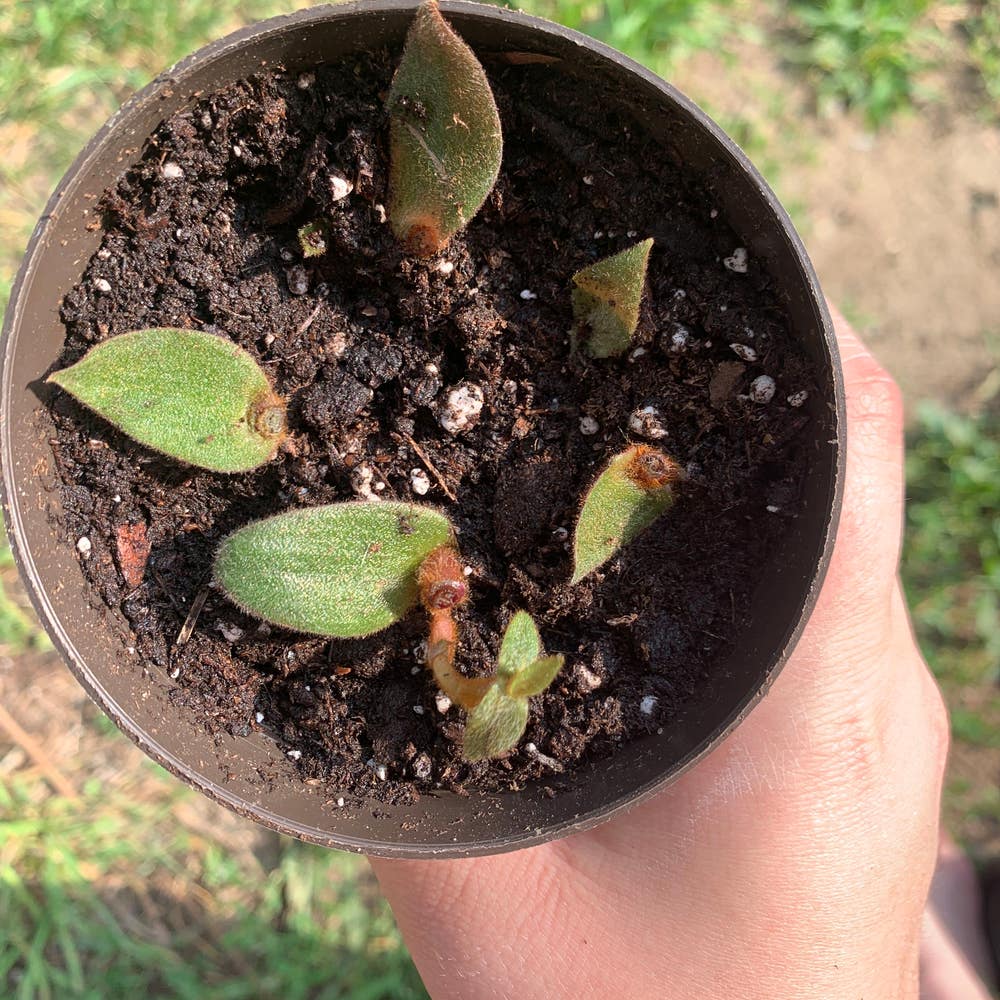
Even without flowers, the Kitten Ear Plant has a remarkable way of reproducing. It primarily relies on asexual reproduction through offsets or plantlets that sprout at the base.
Propagation is straightforward and can be achieved through division of plant clumps or by taking leaf cuttings. This resilience ensures that the plant continues to thrive, even when flowering is not in the cards.
As we explore the unique aspects of the Kitten Ear Plant, you'll discover more about its intriguing characteristics and cultural significance.
Unique Aspects
🌼 Unusual Characteristics Related to Flowering or Non-Flowering Nature
The Kitten Ear Plant has some fascinating quirks that can influence its blooming behavior. One notable aspect is its dormancy periods, which can temporarily halt flowering.
During dormancy, the plant may conserve energy, impacting its ability to produce blooms. Additionally, varietal differences play a role; some types of Kitten Ear Plants are more prone to flowering than others, making selection important for bloom enthusiasts.
📚 Interesting Facts or Trivia About Kitten Ear Plant's Reproductive Strategy
Historically, the Kitten Ear Plant has been cherished more for its ornamental appeal than its flowers. Its lush, heart-shaped leaves often steal the spotlight, making it a favorite in home decor.
Culturally, this plant carries significance in various traditions. In some cultures, it symbolizes good luck and prosperity, adding an extra layer of charm to its already captivating presence.
These unique aspects not only enhance the plant's allure but also provide insight into its care and cultivation. Understanding these characteristics can help you appreciate your Kitten Ear Plant even more, whether it blooms or not.
As we explore further, let’s dive into what happens when the Kitten Ear Plant doesn’t flower.
⚠️ Safety First
This content is for general information and may contain errors, omissions, or outdated details. It is not medical, veterinary advice, or an endorsement of therapeutic claims.
Always consult a qualified healthcare professional before using any plant as food, medicine, or supplement.
Never eat any plant (or feed one to pets) without confirming its identity with at least two trusted sources.
If you suspect poisoning, call Poison Control (800) 222-1222, the Pet Poison Helpline (800) 213-6680, or your local emergency service immediately.
Spotted an error? Please report it here.
Unlock the blooming beauty of your Kitten Ear Plant 🌸 with Greg's tailored care tips and reminders to ensure it thrives and flowers beautifully year after year!