7 Tips for Growing Kitten Ear Plant 🐱
Cyanotis somaliensis
By the Greg Editorial Team
Oct 19, 2024•6 min read
This article was created with the help of AI so we can cover more plants for you. May contain errors. See one? Report it here.
Cultivate a vibrant Kitten Ear Plant 🌱 with essential care tips that ensure thriving growth and beauty in your space!
- 🌞 Bright, indirect light is essential for Kitten Ear Plant growth—aim for 6-8 hours daily.
- 💧 Water only when dry to prevent root rot; adjust for seasonal changes.
- 🌱 Use well-draining soil and pots with drainage holes for optimal health.
Growing Conditions
Choosing the Right Location 🌍
When it comes to growing your Kitten Ear Plant, location is key. If you're keeping it indoors, aim for a spot with bright, indirect sunlight and steer clear of drafts that could stress the plant.
For outdoor enthusiasts, your Kitten Ear Plant thrives in full sun to partial shade. Just remember to protect it from heavy rain, as too much moisture can lead to root rot.
Soil Preparation and Drainage Requirements 🏞️
The right soil is crucial for your plant's health. Use a well-draining succulent mix or cactus soil to ensure proper drainage.
To enhance drainage, consider adding perlite or sand to your soil mix. Aim for a soil pH that’s slightly acidic to neutral, ideally between 6.0 and 7.0, to keep your plant happy.
Light Requirements ☀️
Your Kitten Ear Plant craves sunlight, needing about 6-8 hours of bright light daily. This exposure keeps it vibrant and healthy.
Watch for signs of inadequate light, such as stretching stems or pale leaves. These indicators suggest your plant is reaching for more light, so it might be time to adjust its location.
By ensuring the right growing conditions, you set the stage for a thriving Kitten Ear Plant. Next, let’s dive into watering and fertilizing techniques to keep your plant nourished and flourishing.
Watering and Fertilizing
💧 Watering Tips and Frequency
Watering your Kitten Ear Plant is crucial for its health. Always allow the soil to dry out completely between waterings to prevent root rot.
In winter, reduce your watering frequency. The plant goes dormant, so it needs less moisture during this time.
🌱 Best Fertilizers for Succulents
Fertilizing is essential for growth. Apply a balanced, diluted liquid fertilizer (NPK 10-10-10) every 4-6 weeks during the growing season.
This will provide the nutrients your plant craves, helping it thrive.
🚨 Signs of Overwatering and Underwatering
Recognizing the signs of overwatering is vital. Look for yellowing leaves and mushy stems; these are clear indicators that your plant is getting too much water.
On the flip side, underwatering shows up as wrinkled leaves and leaf drop. Keep an eye on your plant to ensure it gets just the right amount of moisture.
By mastering these watering and fertilizing techniques, you'll set your Kitten Ear Plant up for success. Next, let’s explore effective planting techniques to give your plant a strong start.
Planting Techniques ((difficulty:easy))
🌱 Step-by-Step Planting Guide
Planting your Kitten Ear Plant is straightforward and rewarding. Start by choosing a pot with drainage holes to prevent waterlogging.
Next, fill the pot with a well-draining soil mix. This is crucial for the health of your plant.
When placing the plant in the pot, ensure it sits at the same depth as it did in its nursery pot. This helps maintain stability and encourages healthy growth.
Finally, water lightly to settle the soil around the roots. This initial watering helps establish your plant in its new home.
🪴 Container Gardening vs. Ground Planting
Container gardening is perfect for those with limited space. It allows you to control the conditions more easily, making it simpler to manage your plant's needs.
On the other hand, ground planting requires well-draining soil and protection from heavy rain. This method can be more challenging but offers a natural aesthetic.
🌼 Spacing and Arrangement for Optimal Growth
When planting in the ground, space your Kitten Ear Plants 12-18 inches apart. This gives them room to grow and thrive without overcrowding.
For container arrangements, consider grouping them with other succulents. This not only enhances visual appeal but also creates a mini ecosystem that can benefit all the plants involved.
By following these planting techniques, you set the stage for a flourishing Kitten Ear Plant. Next, let’s explore ongoing care and maintenance to keep your plant healthy and vibrant.
Ongoing Care and Maintenance
Pruning Techniques for Healthy Growth 🌿
Pruning your Kitten Ear Plant is essential for maintaining its health. Aim to prune in early spring or late winter, focusing on removing any dead or damaged leaves.
Pinching back leggy growth encourages a fuller appearance. This simple technique can make a significant difference in the plant's overall look and vitality.
Seasonal Care Adjustments 🌦️
As the seasons change, so should your care routine. In summer, increase your watering frequency and provide shade during extreme heat to prevent stress on the plant.
Conversely, during winter, reduce watering and keep your plant in a warm location. This helps it conserve energy and stay healthy through the colder months.
Plant Care Routine for Longevity 🕒
Regular inspections are key to a thriving Kitten Ear Plant. Check for pests and diseases to catch any issues early.
Adjusting light and watering based on seasonal changes is crucial. This proactive approach ensures your plant remains vibrant and resilient year-round.
By following these ongoing care tips, you’ll foster a healthy environment for your Kitten Ear Plant, setting the stage for its growth and longevity. Next, let’s explore common challenges you might face and how to tackle them effectively.
Common Challenges and Solutions
🐛 Identifying and Managing Common Pests
Pests can be a real headache for your Kitten Ear Plant. The most common culprits include mealybugs, aphids, and spider mites.
To tackle these pests, consider using neem oil or insecticidal soap. Manual removal with a damp cloth can also be effective for small infestations.
🦠 Addressing Diseases and Health Issues
Your plant may face diseases like root rot and leaf spot. These issues often stem from improper watering or poor air circulation.
To prevent these problems, ensure you're using proper watering techniques and providing adequate airflow around your plant. This simple adjustment can make a world of difference.
🌬️ Tips for Overcoming Environmental Challenges
Low humidity can stress your Kitten Ear Plant. To combat this, use a humidity tray or mist the plant occasionally.
Extreme temperatures can also pose a threat. During frost or intense heat, moving your plant indoors can help protect it from damage.
🌱 Propagation Methods
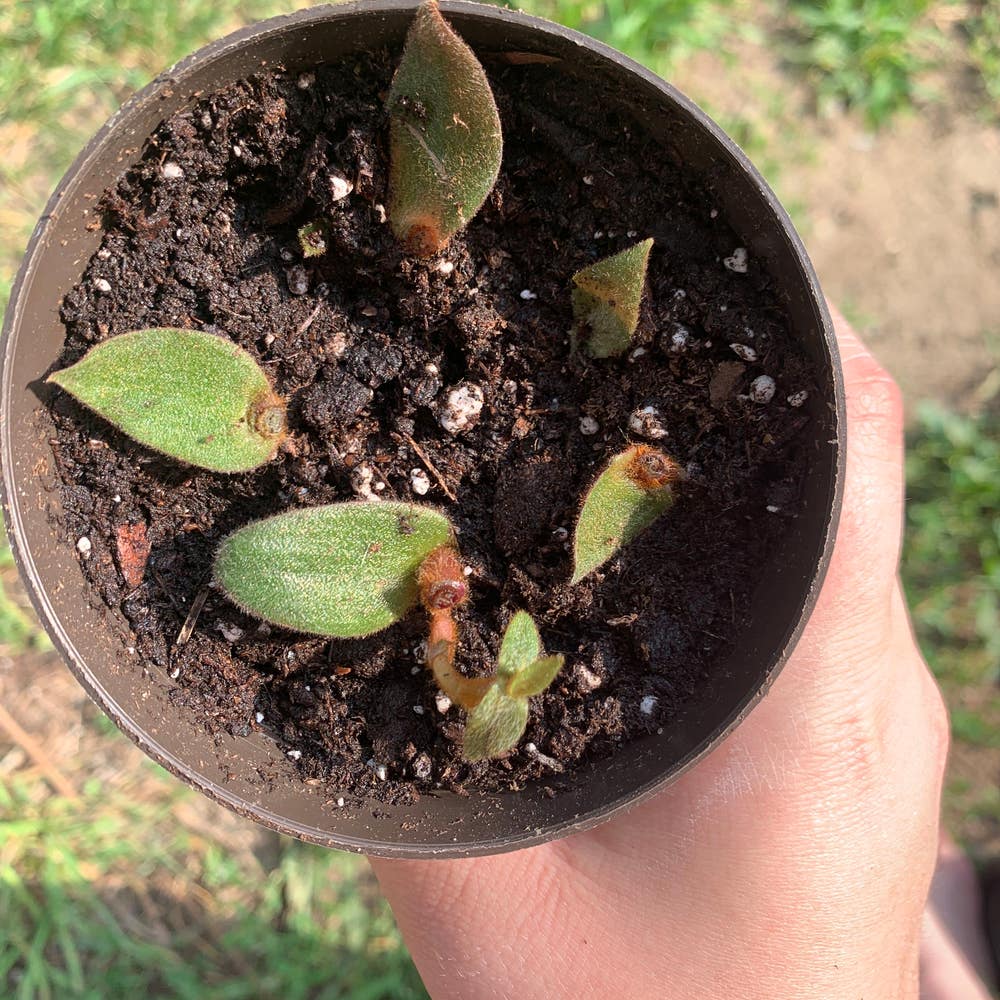
Propagation is a fun way to expand your plant collection. For leaf cuttings, allow them to callous before planting to prevent rot.
Offsets are another great option. Gently remove them and place them in well-draining soil for best results.
By following these tips, you'll be well-equipped to handle common challenges and ensure your Kitten Ear Plant thrives. Next, let’s explore ongoing care and maintenance to keep your plant healthy and vibrant.
⚠️ Safety First
This content is for general information and may contain errors, omissions, or outdated details. It is not medical, veterinary advice, or an endorsement of therapeutic claims.
Always consult a qualified healthcare professional before using any plant as food, medicine, or supplement.
Never eat any plant (or feed one to pets) without confirming its identity with at least two trusted sources.
If you suspect poisoning, call Poison Control (800) 222-1222, the Pet Poison Helpline (800) 213-6680, or your local emergency service immediately.
Spotted an error? Please report it here.
Nurture your Kitten Ear Plant to vibrant health 🌿 with Greg's tailored care reminders that help you master its light, watering, and pest needs!