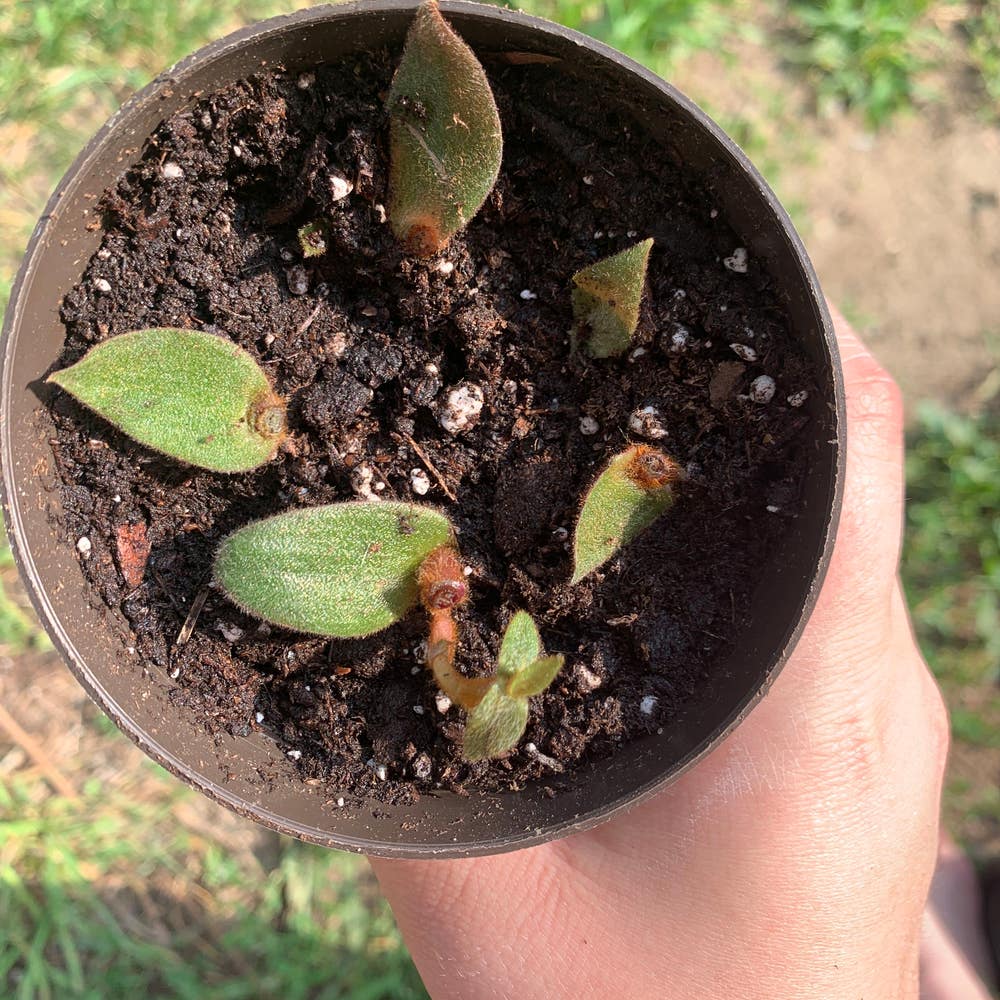
Understanding Curling Leaves on Your Kitten Ear Plant 🐱
Cyanotis somaliensis
By the Greg Editorial Team
Oct 19, 2024•6 min read
This article was created with the help of AI so we can cover more plants for you. May contain errors. See one? Report it here.
Transform your Kitten Ear Plant care 🌱 by mastering the secrets to diagnosing and preventing leaf curling!
- 🌡️ Temperature fluctuations cause curling leaves; keep between 65°F to 80°F (18°C to 27°C).
- 💧 Overwatering and underwatering lead to leaf curling; monitor soil moisture regularly.
- 🐛 Pests and fungal infections can curl leaves; inspect and treat promptly for health.
Common Causes of Leaf Curling
🌡️ Environmental Stress
Temperature plays a crucial role in the health of your Kitten Ear Plant. The ideal range is between 65°F to 80°F (18°C to 27°C); anything outside this can lead to stress.
Sudden temperature changes can trigger leaf curling as a protective response. Keeping your plant in a stable environment is key to preventing this issue.
💧 Watering Issues
Overwatering Symptoms
Overwatering is a common mistake that can lead to serious problems. Signs include yellowing leaves, soggy soil, and root rot.
These conditions can cause leaves to curl and eventually drop, signaling distress in your plant.
Underwatering Symptoms
On the flip side, underwatering can also wreak havoc. Look for dry, crispy leaves and wilting as indicators of this issue.
When a plant is underwatered, it curls its leaves as a survival mechanism, trying to conserve moisture.
🌬️ Humidity Levels
Humidity is another vital factor for your Kitten Ear Plant's well-being. The ideal humidity range is between 50% and 70%.
Low humidity can lead to leaf curling and browning edges, making it essential to monitor this aspect closely.
🐜 Pest Infestation
Pests can be a sneaky cause of leaf curling. Common culprits include spider mites and aphids, which can wreak havoc on your plant.
Symptoms of infestation often include webbing, sticky residue, and distorted leaves, all of which require immediate attention.
🍄 Fungal Infections
Fungal infections can also lead to curling leaves. Signs include discoloration, spots, and wilting, indicating that your plant is struggling.
If left untreated, these infections can lead to curling and eventual leaf drop, so it's crucial to act quickly.
Understanding these common causes of leaf curling can help you take proactive steps to keep your Kitten Ear Plant healthy and thriving. Next, let’s dive into how to diagnose the specific problems affecting your plant.
Diagnosing the Problem
Identifying Symptoms of Overwatering 🌊
To determine if your Kitten Ear Plant is overwatered, start with a simple soil moisture test. Stick your finger 1-2 inches into the soil; if it feels wet, overwatering is likely the culprit.
Next, inspect the roots. If you find mushy, brown roots, it’s a clear sign that your plant is suffering from excess moisture.
Recognizing Signs of Underwatering 💧
On the flip side, underwatering can also lead to leaf curling. Perform another soil moisture test; if the soil feels dry and crumbly, your plant needs water.
Additionally, check the leaf texture. If the leaves feel dry and brittle, it’s a strong indication that your plant is thirsty.
Assessing Humidity and Temperature Conditions 🌡️
Humidity plays a crucial role in your plant’s health. Use a hygrometer to measure humidity levels; they should ideally be between 50% and 70%.
Temperature is equally important. Ensure your plant is in a stable environment, away from cold drafts or heat sources that could stress it.
Checking for Pests and Diseases 🐛
Regular visual inspections can save your plant from pests and diseases. Look closely at the undersides of leaves and along stems for any signs of pests.
Don’t forget to check for fungal signs as well. Unusual spots or discoloration on leaves can indicate a fungal issue that needs addressing.
By diagnosing these problems early, you can take action to restore your Kitten Ear Plant to its vibrant self. Next, let’s explore how to alleviate leaf curl effectively.
Alleviating Leaf Curl
Step-by-Step Guide to Adjusting Watering Practices 🌊
- Determine current watering schedule: Start by assessing how often and how much you water your kitten ear plant. This will give you a baseline to work from.
- Adjust based on soil moisture: Water only when the top 1-2 inches of soil feel dry. This simple check can prevent overwatering, a common cause of leaf curl.
- Use well-draining soil: Ensure your plant is in a soil mix that promotes drainage. This helps prevent root rot, which can lead to curling leaves.
How to Improve Humidity Levels 💧
- Methods to increase humidity:
- Use a humidifier: This is an effective way to maintain optimal humidity levels in your plant's environment.
- Place a tray of water with pebbles under the plant pot: This creates a mini-ecosystem that boosts humidity around your plant.
- Group plants together: This can create a microclimate, helping to retain moisture in the air.
Treatment Options for Pests and Diseases 🐛
Pest control methods:
- Neem oil or insecticidal soap: These are effective treatments for spider mites and aphids. Regular application can keep these pests at bay.
- Regularly wipe leaves: This simple habit can help remove pests and keep your plant healthy.
-
- Apply fungicides as needed: If you notice signs of fungal infections, timely treatment is crucial.
- Ensure good air circulation: This helps prevent fungal growth and keeps your plant thriving.
Soil Amendments for Better Drainage 🌱
- Recommended soil mix: Combine potting soil with perlite or sand to enhance drainage. This mix allows excess water to escape, reducing the risk of root rot.
- Repotting: If drainage is poor, consider repotting your plant. A fresh mix can make a world of difference in its health.
By addressing these key areas, you can effectively alleviate leaf curl and promote a healthier kitten ear plant. Next, let’s explore how to prevent future curling and maintain your plant's vibrant health.
Preventing Future Curling
🐾 Best Practices for Kitten Ear Plant Care
To keep your Kitten Ear Plant thriving, establish a regular watering schedule. Water only when the top 1-2 inches of soil feel dry to the touch.
Optimal light conditions are crucial as well. Provide bright, indirect sunlight to promote healthy growth and vibrant leaves.
🍂 Seasonal Care Tips to Maintain Leaf Health
As seasons change, so should your care routine. In winter, adjust your watering frequency since the plant's growth slows down.
Additionally, monitor temperature changes closely. Keep your plant away from cold drafts and heat sources to maintain a stable environment.
🔍 Regular Monitoring and Maintenance Routines
Consistency is key in plant care. Conduct weekly inspections to check for pests and assess leaf health.
Don't forget to perform monthly humidity checks. Ensuring humidity levels remain optimal will help prevent future curling and keep your plant happy.
By following these best practices and seasonal tips, you can maintain the health of your Kitten Ear Plant and enjoy its beauty for years to come. Next, let's dive into diagnosing any potential problems that may arise.
⚠️ Safety First
This content is for general information and may contain errors, omissions, or outdated details. It is not medical, veterinary advice, or an endorsement of therapeutic claims.
Always consult a qualified healthcare professional before using any plant as food, medicine, or supplement.
Never eat any plant (or feed one to pets) without confirming its identity with at least two trusted sources.
If you suspect poisoning, call Poison Control (800) 222-1222, the Pet Poison Helpline (800) 213-6680, or your local emergency service immediately.
Spotted an error? Please report it here.
Keep your Kitten Ear Plant curl-free 🌱 by using Greg's tailored watering alerts and humidity tips to create the ideal environment for vibrant growth!