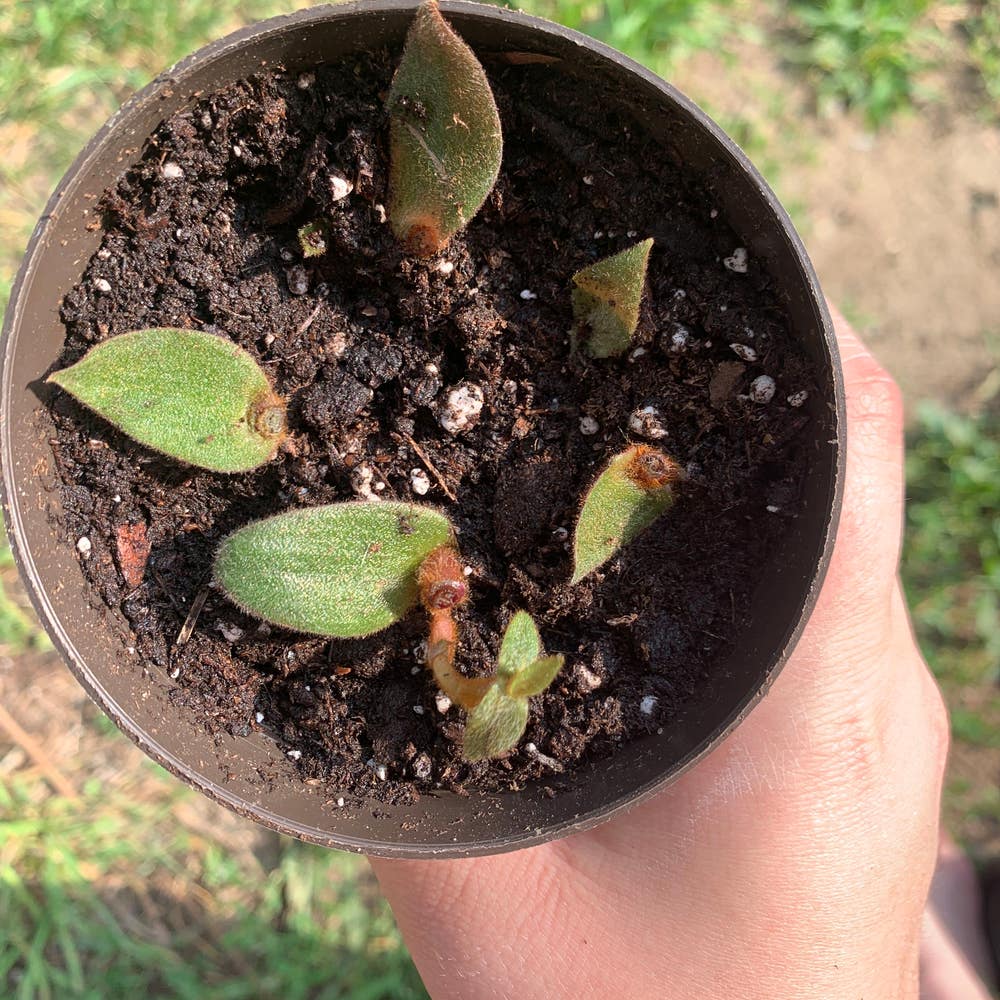
Ultimate Guide to Pruning Kitten Ear Plant 🐱
Cyanotis somaliensis
By the Greg Editorial Team
Oct 19, 2024•5 min read
This article was created with the help of AI so we can cover more plants for you. May contain errors. See one? Report it here.
Revitalize your Kitten Ear Plant 🌱 with expert pruning tips for vibrant growth and stunning blooms!
- ✂️ Pruning is vital for your Kitten Ear Plant's health and appearance.
- 🌱 Regularly assess for leggy stems and dead leaves before pruning.
- 🌼 Deadheading encourages blooms and improves aesthetics; do it every 2-3 weeks.
Step-by-Step Pruning Process
Pruning your Kitten Ear Plant is essential for its health and appearance. Follow these steps to ensure your plant thrives.
🧐 Assess the Plant
Start by examining your plant closely. Look for leggy stems that stretch toward the light and any dead leaves that detract from its beauty.
🎯 Identify Areas to Prune
Next, pinpoint the areas that need attention. Focus on stems that are overgrown or showing signs of distress, as these are prime candidates for pruning.
✂️ Make Clean Cuts
When you're ready to prune, use sharp, clean shears. Cut just above a leaf node to encourage new growth, ensuring the plant can flourish after your intervention.
🗑️ Remove Dead or Damaged Leaves
Don’t forget to clear away any dead or damaged leaves. This not only improves the plant's appearance but also helps prevent disease from spreading.
🌱 Shape the Plant
Finally, take a moment to shape your plant. Trim it to maintain your desired size and form, ensuring it remains healthy and visually appealing.
By following these steps, you’ll set your Kitten Ear Plant on the path to vibrant growth. Next, let’s explore techniques for shaping and encouraging even more growth!
Techniques for Shaping and Encouraging Growth
🌱 Pinching Back Tips
Pinching back the tips of your Kitten Ear Plant is a simple yet effective technique. This encourages branching and bushiness, resulting in a fuller, more vibrant plant.
✂️ Thinning Out Crowded Areas
Thinning out crowded areas is essential for maintaining plant health. It improves light access and airflow, allowing your plant to thrive and preventing issues like mold.
📅 Using a Consistent Pruning Schedule
Establishing a consistent pruning schedule is key to optimal growth. Regular maintenance not only keeps your plant looking its best but also promotes healthy development over time.
By incorporating these techniques, you can ensure your Kitten Ear Plant remains lush and vibrant. Next, let’s explore how to deadhead your plant for continued blooming.
Deadheading Kitten Ear Plant
Deadheading is a simple yet effective way to keep your Kitten Ear Plant thriving. This process involves removing spent flowers to encourage new blooms and maintain the plant's overall health.
🌼 Identify Spent Flowers
Start by looking for wilted or brown blooms. These are the flowers that have completed their life cycle and need to be removed.
✂️ Use Clean Shears
Grab a pair of clean shears for the task. Make cuts just above the first set of healthy leaves to promote further growth.
🗑️ Dispose of Removed Flowers
Don’t forget to dispose of the removed flowers properly. This step is crucial as it helps prevent potential disease spread.
🌟 Benefits of Deadheading
Deadheading offers several benefits:
- Extends flowering period: Keeps your plant blooming longer.
- Improves appearance: A tidier look enhances your plant's aesthetic.
- Redirects energy: Helps the plant focus on healthy growth instead of seed production.
📅 Frequency of Deadheading
Aim to deadhead every 2-3 weeks during the blooming season. For best results, do this in the morning when the plant is well-hydrated.
By incorporating deadheading into your care routine, you’ll not only enhance the beauty of your Kitten Ear Plant but also ensure it remains healthy and vibrant.
Next, let’s explore common pruning mistakes to avoid, ensuring your plant care journey is smooth and successful.
Common Pruning Mistakes
Mistakes to Avoid When Pruning 🌿
Pruning can be a delicate process, and it's easy to make mistakes. One of the most common errors is over-pruning, which involves removing too much foliage at once and can shock your plant.
Another pitfall is using incorrect cutting techniques. Jagged edges from improper cuts can stress the plant and lead to further issues. Lastly, ignoring plant health before pruning can worsen existing problems, making it crucial to assess your plant's condition first.
How to Recognize Over-Pruning 🔍
Recognizing the signs of over-pruning is essential for maintaining a healthy plant. Look for excessive leaf drop, which indicates that your plant is struggling to cope with the changes.
You might also notice stunted growth or browning leaf edges. These symptoms suggest that your plant needs time to recover, and heavily pruned plants often require longer recovery periods.
Signs of Stress in the Plant Post-Pruning 😟
After pruning, your kitten ear plant may show signs of stress. Wilting leaves are a clear indicator of shock or dehydration, signaling that your plant needs immediate attention.
Additionally, yellowing foliage can suggest nutrient deficiencies or stress. If you observe reduced growth, it’s a sign that your plant is not thriving as it should, and adjustments may be necessary.
Understanding these common mistakes and their signs can help you prune more effectively. With the right approach, your kitten ear plant will flourish, setting the stage for the next steps in your plant care journey.
Post-Pruning Care
🌱 How to Care for Kitten Ear Plant After Pruning
After pruning your Kitten Ear Plant, it's crucial to provide the right care. Start by ensuring consistent moisture; the soil should be damp but not soggy to avoid waterlogging.
Next, maintain bright, indirect light conditions. This helps the plant recover and encourages new growth without causing stress.
👀 Signs of Recovery and Growth to Watch For
Keep an eye out for new leaf growth, which indicates that your plant is bouncing back. Increased branching is another positive sign, suggesting healthy regrowth.
You should also look for improved flowering. This is a clear indication that your pruning and care efforts are paying off.
🌼 Fertilization Tips Post-Pruning
Timing is everything when it comes to fertilizing. Wait about 4-6 weeks after pruning before applying any fertilizer to give your plant time to recover.
When you do fertilize, opt for a balanced, water-soluble fertilizer. This type will provide the nutrients your plant needs without overwhelming it.
Lastly, always follow the package instructions for dilution and frequency. This ensures your Kitten Ear Plant gets the right amount of nutrients without the risk of over-fertilization.
With proper care and attention, your Kitten Ear Plant will thrive and reward you with lush growth and beautiful blooms. Now, let’s explore some common pruning mistakes to avoid for even better results!
⚠️ Safety First
This content is for general information and may contain errors, omissions, or outdated details. It is not medical, veterinary advice, or an endorsement of therapeutic claims.
Always consult a qualified healthcare professional before using any plant as food, medicine, or supplement.
Never eat any plant (or feed one to pets) without confirming its identity with at least two trusted sources.
If you suspect poisoning, call Poison Control (800) 222-1222, the Pet Poison Helpline (800) 213-6680, or your local emergency service immediately.
Spotted an error? Please report it here.
Keep your Kitten Ear Plant thriving 🌱 by using Greg's tailored pruning reminders and expert tips to ensure it stays healthy and beautiful all year round!