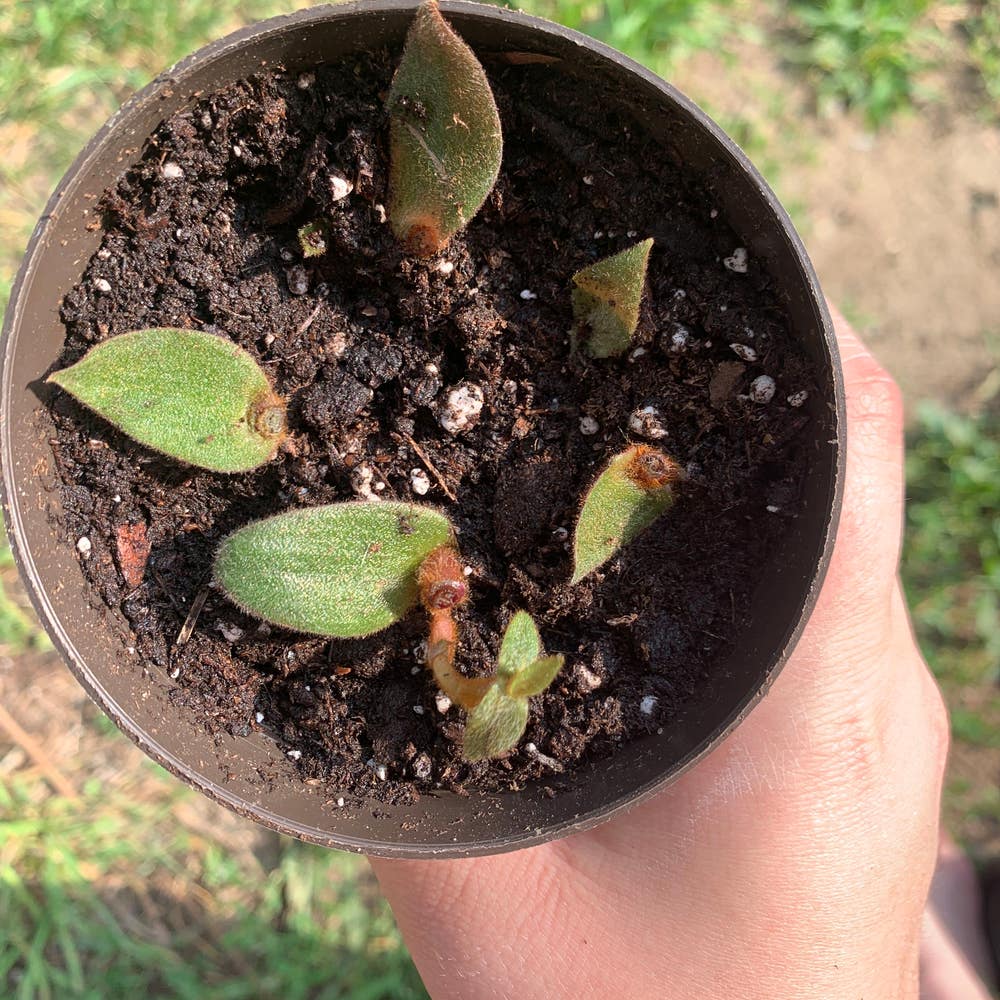
Choosing the Best Pot for Your Kitten Ear Plant 🐱
Cyanotis somaliensis
By the Greg Editorial Team
Oct 19, 2024•5 min read
This article was created with the help of AI so we can cover more plants for you. May contain errors. See one? Report it here.
Maximize your Kitten Ear Plant's growth 🌱 by mastering the perfect pot size and material for thriving roots!
- 🌱 Choose pot size wisely: 4-6 inches for seedlings, 8-10 for mature plants.
- 🕳️ Drainage holes are essential to prevent root rot and maintain moisture levels.
- 🏺 Consider pot materials: clay for breathability, plastic for lightweight, ceramic for aesthetics.
Pot Sizes
Recommended Sizes for Different Growth Stages 🌱
Choosing the right pot size for your Kitten Ear Plant is crucial for its health. For seedlings, a pot with a diameter of 4-6 inches is ideal, providing just enough space for those tiny roots to thrive.
As your plant matures, upgrade to an 8-10 inch pot. This size supports healthy growth without overwhelming the roots. For overgrown plants, opt for a pot that is 12 inches or larger to give those roots plenty of room to spread out.
How to Measure Pot Size 📏
Measuring pot size is straightforward but essential. Start by measuring both the diameter and depth to ensure there's adequate space for root growth.
Always consider your plant's current size and its expected growth rate. This foresight will help you avoid frequent repotting, which can stress the plant.
Pot Materials
Choosing the right pot material is crucial for the health of your Kitten Ear Plant. Each type of pot has its own unique benefits and drawbacks that can significantly impact moisture levels and root health.
🏺 Comparison of Pot Materials
Clay Pots
Clay pots are a popular choice among plant enthusiasts. They offer excellent breathability, which helps prevent overwatering—a common issue for many plant owners.
However, they come with their own set of challenges. Clay pots are heavy and can break easily, making them less ideal for those who frequently rearrange their plants.
Plastic Pots
Plastic pots are lightweight and affordable, making them accessible for everyone. They come in various sizes, allowing you to find the perfect fit for your plant.
On the downside, plastic pots are less breathable. They can retain moisture longer, which may lead to root rot if not monitored closely.
Ceramic Pots
Ceramic pots are known for their aesthetic appeal. They provide good moisture retention, which can be beneficial for your Kitten Ear Plant.
Yet, they can be heavy and expensive. Always ensure that ceramic pots have drainage holes to avoid water accumulation.
⚖️ Pros and Cons of Each Material
Understanding how each material affects moisture levels and root health is essential.
- Clay Pots: Promote airflow but can dry out quickly.
- Plastic Pots: Retain moisture longer but may suffocate roots.
- Ceramic Pots: Balance aesthetics and moisture retention but require careful handling.
Choosing the right pot material can make a significant difference in your plant's growth and overall health. As you consider your options, think about your plant's needs and your own lifestyle.
Next, let’s dive into the importance of drainage considerations to ensure your Kitten Ear Plant thrives.
Drainage Considerations
Importance of Drainage Holes 🕳️
Drainage holes are crucial for your kitten ear plant's health. They prevent water accumulation, which can lead to root rot, and help maintain optimal moisture levels in the soil.
Ensuring Proper Drainage 🚰
Always check for pre-drilled holes in your pot. If they’re missing, consider drilling them yourself or selecting a different pot altogether.
Using a well-draining soil mix is equally important. This combination will ensure your plant thrives without the risk of soggy roots.
By prioritizing drainage, you set the stage for a healthy, vibrant plant. Now that you understand the importance of drainage, let’s explore the signs that indicate it’s time to repot your plant.
Repotting Guidelines
Signs That It’s Time to Repot 🌱
Recognizing when your Kitten Ear Plant needs repotting is crucial for its health. Look for roots growing out of the drainage holes, which indicates it's time for a larger home.
Additionally, if you notice stunted growth despite providing proper care, it’s a sign that the plant is root-bound. Lastly, if the soil dries out too quickly or retains too much moisture, your plant may be struggling for space.
Step-by-Step Guide to Repotting 🛠️
Repotting can seem daunting, but it’s straightforward. Follow these steps to ensure a smooth transition for your plant:
- Choose a new pot that is 1-2 inches larger in diameter than the current one.
- Remove the plant gently from the old pot, taking care not to damage the roots.
- Inspect the roots for any signs of rot or damage; trim them if necessary.
- Place the plant in the new pot, filling it with fresh soil to provide nutrients.
- Water thoroughly and allow excess water to drain out.
Choosing the Right Pot During Repotting 🪴
When selecting a new pot, consider your plant's growth stage and future growth potential. A pot that’s too small will restrict growth, while one that’s too large can lead to overwatering.
Ensure the new pot has adequate drainage holes to prevent water accumulation. This will help maintain optimal moisture levels, keeping your Kitten Ear Plant happy and healthy.
With these guidelines, you’ll be well-equipped to give your plant the space it needs to thrive. Next, let’s explore common mistakes to avoid when choosing pots for your plants.
Common Mistakes
🪴 Errors in Pot Selection
Choosing the right pot for your kitten ear plant can be tricky. One common mistake is overpotting, which can lead to excess soil moisture and ultimately root rot.
On the flip side, underpotting restricts root growth and nutrient uptake. This can stunt your plant's development, leaving it struggling to thrive.
🚫 Tips to Avoid Overpotting or Underpotting
To avoid these pitfalls, always assess your plant's current size and growth rate before selecting a pot.
Using the recommended size guidelines for each growth stage can make a significant difference in your plant's health and growth.
By paying attention to these details, you set your kitten ear plant up for success.
Next, let’s explore the importance of proper drainage to keep your plant thriving.
⚠️ Safety First
This content is for general information and may contain errors, omissions, or outdated details. It is not medical, veterinary advice, or an endorsement of therapeutic claims.
Always consult a qualified healthcare professional before using any plant as food, medicine, or supplement.
Never eat any plant (or feed one to pets) without confirming its identity with at least two trusted sources.
If you suspect poisoning, call Poison Control (800) 222-1222, the Pet Poison Helpline (800) 213-6680, or your local emergency service immediately.
Spotted an error? Please report it here.
Select the perfect pot for your Kitten Ear Plant 🪴 with Greg's tailored tips and reminders, ensuring it thrives at every growth stage!