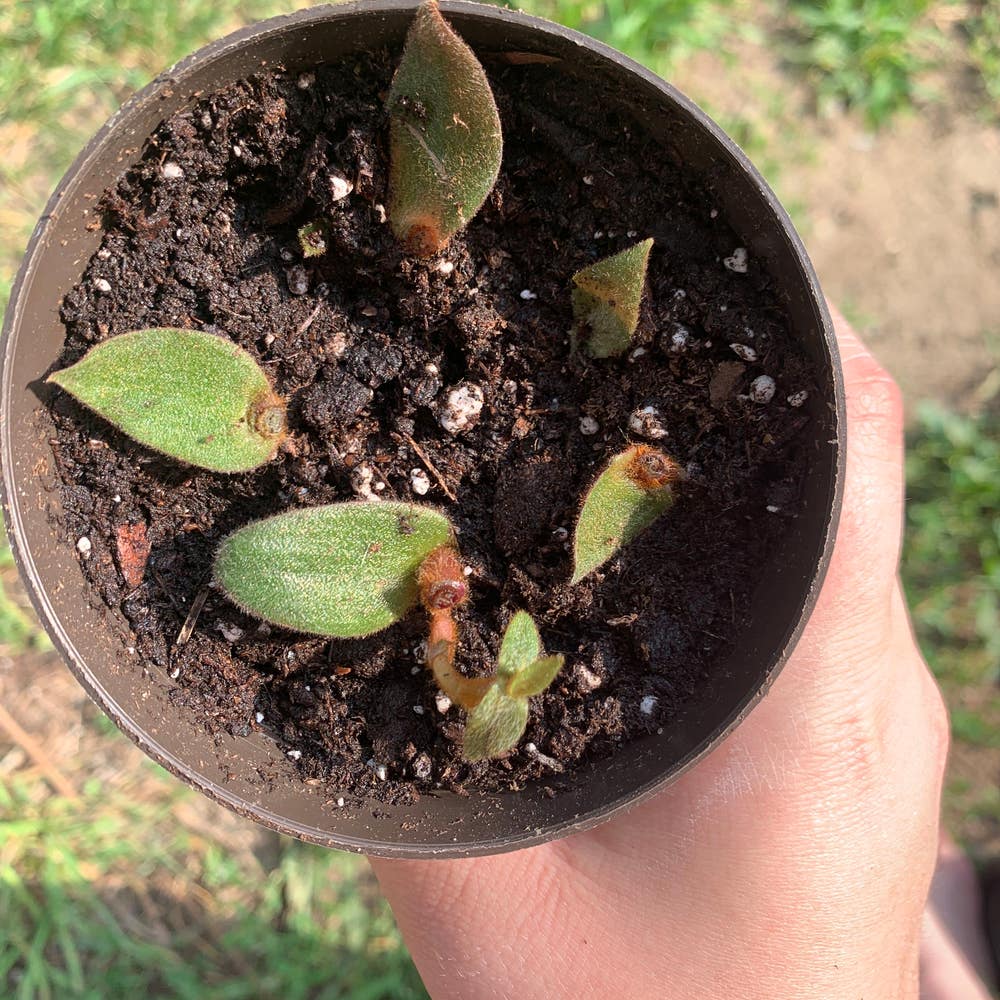
How to Cure Dropping Leaves on Your Kitten Ear Plant 🐱
Cyanotis somaliensis
By the Greg Editorial Team
Oct 19, 2024•5 min read
This article was created with the help of AI so we can cover more plants for you. May contain errors. See one? Report it here.
Stop your kitten ear plant's leaf drop 🌿 with these vital care tips to keep it thriving and vibrant!
- 💧 Overwatering and underwatering cause leaf drop; balance moisture for healthy plants.
- 🌬️ Humidity levels between 40-60% are essential for kitten ear plant health.
- 🐛 Regularly check for pests like mealybugs to prevent significant damage.
Causes of Leaf Drop
💧 Overwatering and Its Effects
Overwatering is a common culprit behind leaf drop in your kitten ear plant. Symptoms include yellowing leaves, mushy stems, and even root rot.
To prevent these issues, ensure your plant is in well-draining soil. If you notice soggy soil or a foul odor, it’s time to take action.
🚰 Underwatering and Dehydration
On the flip side, underwatering can also lead to leaf drop. Look for signs like crispy, shriveled leaves and dry soil.
This condition results in a loss of turgor pressure, making your plant vulnerable. Regular soil moisture testing and visual inspections can help you catch these problems early.
🌬️ Low Humidity Impact
Humidity plays a crucial role in your plant's health. Ideally, you want to maintain levels between 40-60% relative humidity.
When humidity is too low, you may see leaf curling and dropping. A hygrometer can be a handy tool for measuring these levels.
🐛 Pest Infestations and Diseases
Pests and diseases can wreak havoc on your kitten ear plant. Common pests include mealybugs, aphids, and spider mites.
Signs of infestation include sticky residue, webbing, and visible insects. Additionally, fungal infections can manifest as leaf spots and wilting, further complicating care.
Understanding these causes is essential for maintaining a healthy kitten ear plant. With this knowledge, you can take proactive steps to prevent leaf drop and ensure your plant thrives.
Diagnosing Leaf Drop Issues
🌊 Identifying Symptoms of Overwatering
Overwatering can be a sneaky culprit behind leaf drop. Look for visual indicators like yellowing leaves, wilting, and mushy stems.
To confirm, check the soil. If it feels soggy and has a foul smell, your plant is likely suffering from excess moisture.
💧 Recognizing Signs of Underwatering
On the flip side, underwatering can also lead to distress. Signs include wrinkled leaves, dry soil, and noticeable leaf drop.
Feel the soil texture; if it’s hard and dry, your plant is in need of a good drink.
🌫️ Assessing Humidity Levels
Humidity plays a crucial role in your plant's health. Ideally, aim for 40-60% relative humidity.
Use a hygrometer to measure levels accurately. If you notice curling or browning tips on leaves, it might be time to boost the humidity.
🐛 Inspecting for Pests and Diseases
Pests and diseases can wreak havoc on your kitten ear plant. Regular visual checks for pests like mealybugs and spider mites are essential.
Look for signs of fungal infections too, such as discoloration or leaf spots. Catching these issues early can save your plant from serious damage.
With these diagnostic tools in hand, you’re well-equipped to tackle any leaf drop issues. Next, let’s explore effective treatment solutions to revive your plant!
Treatment Solutions
🌊 Reviving an Overwatered Plant
If your kitten ear plant is suffering from overwatering, immediate action is crucial.
- Remove from pot. Gently take the plant out of its pot to assess the roots.
- Inspect and trim damaged roots. Look for mushy or blackened roots and trim them away.
- Repot in fresh, well-draining soil. Choose a soil mix that promotes drainage to prevent future issues.
- Allow to dry before watering. Give the plant time to recover; wait until the top inch of soil feels dry before watering again.
💧 Steps for an Underwatered Plant
Underwatering can be just as detrimental, leading to crispy leaves and drooping stems.
- Soak thoroughly for 30 minutes. Place the pot in a basin of water to allow the soil to absorb moisture.
- Allow excess water to drain. Ensure that any standing water is removed to avoid root rot.
- Monitor soil moisture regularly. Check the soil frequently to maintain consistent moisture levels.
🐛 Pest Control Methods
Pest infestations can wreak havoc on your plant's health.
- Organic options: Use neem oil or insecticidal soap to combat pests effectively.
- Regular monitoring and early intervention. Keep an eye out for signs of pests and act quickly to prevent infestations from escalating.
By addressing these treatment solutions, you can help your kitten ear plant thrive once more. Next, let’s explore long-term care strategies to keep your plant healthy and vibrant.
Long-term Care Strategies
Regular Monitoring and Maintenance 🕵️♂️
Keeping an eye on your Kitten Ear Plant is crucial for its health. Regular checks for soil moisture and overall plant condition can help you catch issues early.
Consider maintaining a care journal. Documenting your plant's watering schedule and any changes in its appearance can provide valuable insights over time.
Seasonal Care Adjustments 🌦️
Your plant's needs may change with the seasons. Adapting your care routine based on its growth patterns ensures it thrives year-round.
Adjust light exposure and watering frequency as needed. For instance, during the growing season, your plant may require more frequent watering and brighter light.
Propagation Tips 🌱
If you're looking to expand your plant collection, propagation is a rewarding option. Techniques like leaf cuttings and offsets can help you grow new plants from your existing one.
Timing is key; aim to propagate during the growing season. This is when your plant is most active and likely to thrive in new environments.
By implementing these long-term care strategies, you can ensure your Kitten Ear Plant remains healthy and vibrant. Next, let’s explore the treatment solutions for common leaf drop issues.
⚠️ Safety First
This content is for general information and may contain errors, omissions, or outdated details. It is not medical, veterinary advice, or an endorsement of therapeutic claims.
Always consult a qualified healthcare professional before using any plant as food, medicine, or supplement.
Never eat any plant (or feed one to pets) without confirming its identity with at least two trusted sources.
If you suspect poisoning, call Poison Control (800) 222-1222, the Pet Poison Helpline (800) 213-6680, or your local emergency service immediately.
Spotted an error? Please report it here.
Keep your kitten ear plant vibrant 🌿 by using Greg's tailored care reminders to master the balance of watering, humidity, and pest control for thriving growth!