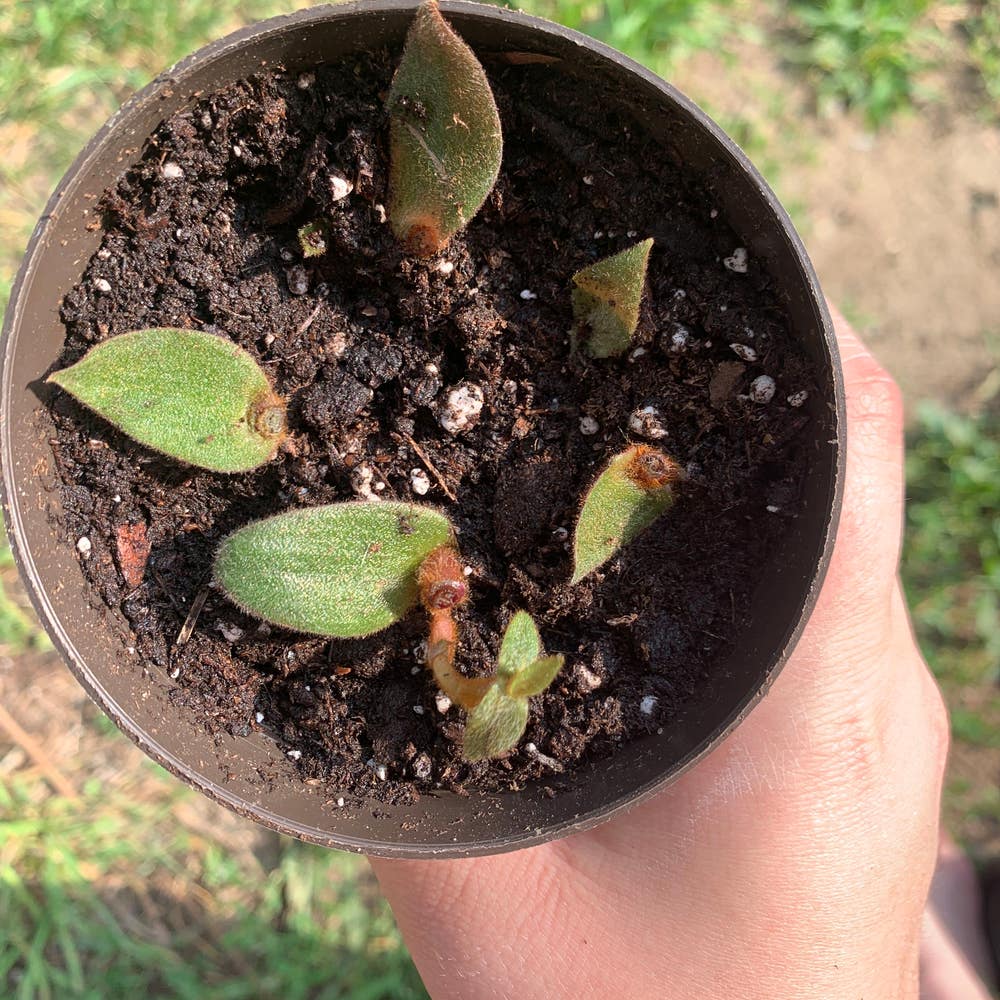
Dealing with Droopy Leaves on Your Kitten Ear Plant 🐱
Cyanotis somaliensis
By the Greg Editorial Team
Oct 19, 2024•5 min read
This article was created with the help of AI so we can cover more plants for you. May contain errors. See one? Report it here.
Transform your droopy Kitten Ear plant into a thriving beauty 🌿 with essential care tips for watering and pest control!
- 🌱 Droopy leaves indicate issues like overwatering, underwatering, pests, or fungal infections.
- 💧 Adjust watering based on soil moisture to prevent droopy leaves and root rot.
- 🐛 Inspect regularly for pests and use organic methods for effective control.
Common Causes of Droopy Leaves
💧 Overwatering
Overwatering is a common culprit behind droopy leaves on your Kitten Ear plant. Symptoms include yellowing leaves, a mushy texture, and noticeable droopiness.
The soil often remains consistently wet, sometimes emitting a foul smell. Upon inspection, you may find dark, mushy roots, indicating root rot.
🚰 Underwatering
Conversely, underwatering can also lead to droopy leaves. In this case, you’ll notice wrinkled, shriveled leaves that droop sadly.
The soil will feel dry and crumbly, pulling away from the edges of the pot. Leaves may even develop crispy edges, signaling a desperate need for hydration.
🐛 Pest Infestations
Pest infestations can wreak havoc on your plant's health. Common pests include mealybugs, aphids, and spider mites.
Look for signs like sticky residue, webbing, or visible insects on the leaves. Damage from these pests can lead to stunted growth and even leaf drop.
🍄 Fungal Infections
Fungal infections present another serious issue for your Kitten Ear plant. Symptoms include dark spots on leaves and wilting, even when the plant is adequately watered.
Poor drainage often contributes to fungal growth in the soil. It’s crucial to address these fungal issues promptly to prevent further damage to your plant.
Understanding these common causes will help you take the necessary steps to restore your plant's health. Next, we’ll explore effective methods for alleviating droopy leaves.
Alleviating Droopy Leaves
🌊 Step-by-step Guide to Adjusting Watering Habits
Assess Current Watering Schedule: Start by evaluating how often and how much you water your Kitten Ear plant. This will help you identify if you're over or underwatering.
Adjust Based on Soil Moisture: Use a moisture meter or simply stick your finger into the soil to check its dampness. This will guide you in making necessary adjustments.
Implement a Consistent Watering Routine: Aim to water your plant when the top inch of soil feels dry. Consistency is key to keeping your plant healthy.
🪴 Soil Amendments for Better Drainage
Recommended Materials: To improve drainage, consider adding perlite, sand, or a cactus mix to your potting soil. These materials help prevent water from pooling.
Mixing Ratio: A good rule of thumb is to mix 1 part potting soil with 1 part perlite or sand. This creates a well-draining environment for your plant.
Repotting Process: When repotting, carefully remove the plant from its pot, amend the soil, and then replant. This ensures your plant has the best chance to thrive.
🐞 Treatment Options for Pests and Diseases
Organic Pest Control: If you notice pests, try using neem oil or insecticidal soap. These options are effective and less harmful to your plant.
Fungal Treatments: For fungal issues, consider fungicides or homemade solutions like cinnamon. These can help combat unwanted growth.
Quarantine Affected Plants: If you spot any issues, isolate the affected plants. This prevents pests or diseases from spreading to your healthy plants.
By addressing watering habits, improving soil drainage, and treating pests or diseases, you can effectively alleviate droopy leaves on your Kitten Ear plant. Next, let’s explore how to prevent future issues to keep your plant thriving.
Preventing Future Issues
🌊 Best Practices for Watering
To keep your Kitten Ear Plant thriving, aim to water it every 1-2 weeks. Adjust this frequency based on environmental conditions, ensuring the soil is adequately moist but not soggy.
Water thoroughly until it drains from the bottom of the pot. This technique helps prevent dry patches and ensures the roots receive the moisture they need.
Seasonal adjustments are crucial. In winter, reduce watering to avoid over-saturation during the plant's dormant phase.
🌱 Ideal Soil Conditions and Potting Tips
Using a well-draining succulent mix is vital for your plant's health. This type of soil allows excess water to escape, preventing root rot.
Choose pots with drainage holes to avoid water accumulation. This simple step can save your plant from drowning.
Repot your Kitten Ear Plant every 1-2 years or when it becomes root-bound. Fresh soil and space for growth can rejuvenate your plant.
☀️ Environmental Conditions to Maintain
Your Kitten Ear Plant thrives in bright, indirect light. This lighting helps it grow strong and vibrant without the risk of sunburn.
Maintain low to moderate humidity levels. Avoid overly humid environments, as they can lead to fungal issues.
Keep the temperature between 20°C to 30°C (68°F to 86°F) for optimal growth. This range mimics its natural habitat, promoting healthy development.
By following these best practices, you can create a nurturing environment for your Kitten Ear Plant, ensuring it remains healthy and vibrant for years to come. Next, let’s explore how to monitor your plant’s health effectively.
Monitoring Plant Health
🕵️ Regular Checks for Signs of Stress
To keep your Kitten Ear Plant thriving, conduct weekly inspections. Look for droopy leaves or any discoloration that might signal stress.
Observing growth patterns is equally crucial. Monitor for signs of new growth or stagnation, as these can indicate how well your plant is adapting to its environment.
🔍 Importance of Leaf Inspection
Regularly inspect the undersides of leaves for pests. This proactive approach can help you catch infestations early, preventing further damage.
Assessing leaf health is vital too. Look for yellowing, dark spots, or droopiness, as these symptoms can reveal underlying issues that need addressing.
🆘 When to Seek Professional Help
If problems persist despite your care adjustments, it may be time to consult a professional. Persistent issues can indicate deeper problems that require expert intervention.
Severe infestations also warrant professional help. If your pest control methods aren't working, don't hesitate to reach out for assistance.
Lastly, if fungal infections worsen or spread to other plants, seeking professional advice is crucial. Early intervention can save your plants and maintain the health of your indoor garden.
As you monitor your plant's health, you'll be better equipped to tackle any challenges that arise, ensuring your Kitten Ear Plant remains vibrant and happy.
⚠️ Safety First
This content is for general information and may contain errors, omissions, or outdated details. It is not medical, veterinary advice, or an endorsement of therapeutic claims.
Always consult a qualified healthcare professional before using any plant as food, medicine, or supplement.
Never eat any plant (or feed one to pets) without confirming its identity with at least two trusted sources.
If you suspect poisoning, call Poison Control (800) 222-1222, the Pet Poison Helpline (800) 213-6680, or your local emergency service immediately.
Spotted an error? Please report it here.
Keep your Kitten Ear plant vibrant and healthy 🌿 by using Greg's tailored watering reminders and pest control tips to tackle droopy leaves before they become a problem!