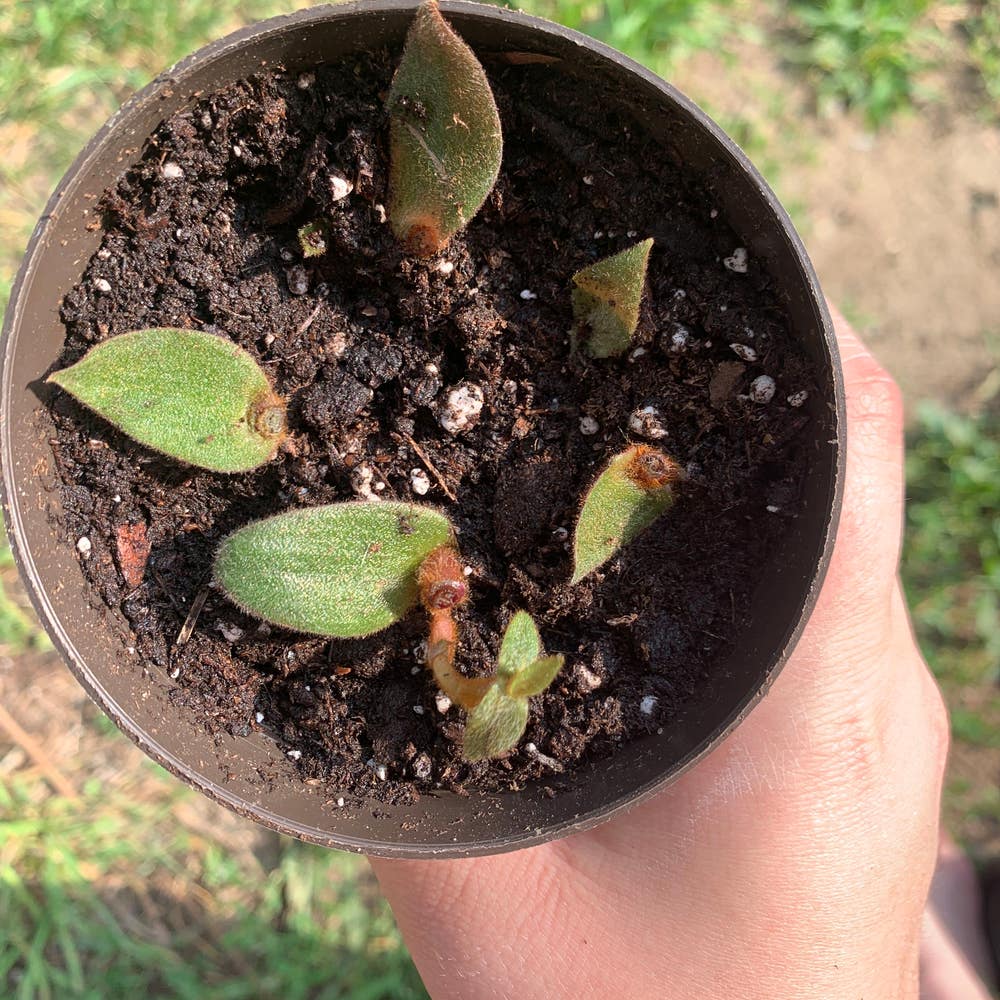
Why the Leaves on Your Kitten Ear Plant Are Turning Yellow 🐱
Cyanotis somaliensis
By the Greg Editorial Team
Oct 19, 2024•4 min read
This article was created with the help of AI so we can cover more plants for you. May contain errors. See one? Report it here.
Transform your Kitten Ear Plant's health by learning to diagnose yellow leaves effectively! 🌱🔍
- 🌱 Yellow leaves indicate issues like overwatering, underwatering, or nutrient deficiencies.
- 🔍 Inspect leaf color and location to diagnose specific problems effectively.
- 💧 Establish a consistent watering schedule and monitor soil moisture to prevent yellowing.
Diagnosing Yellow Leaves
👀 Visual Signs to Look For
When your Kitten Ear Plant's leaves start turning yellow, the first step is to observe the color changes. Pale yellow leaves might indicate a different issue than deep yellow ones.
Next, consider the leaf texture. Are they crispy and dry, or mushy and soft? The texture can provide clues about the plant's health.
Also, pay attention to the location of the yellowing. Are the lower leaves affected, or is it the upper ones? This detail can help pinpoint the problem.
💧 Differentiating Between Overwatering and Underwatering
Overwatering is often characterized by wilting leaves accompanied by wet soil. If your plant feels soggy, it’s a clear sign to cut back on watering.
On the other hand, underwatering leads to shriveled leaves and dry soil. Checking soil moisture levels is crucial to determine which issue you're facing.
🐛 Identifying Pest Damage
Conduct a visual inspection of your plant regularly. Look closely for any signs of pests, such as webbing or sticky residue on the leaves.
Early detection is vital for effective treatment. The sooner you spot these signs, the easier it will be to manage any pest problems.
🥦 Recognizing Signs of Nutrient Deficiency
Nutrient deficiencies can manifest in specific symptoms. For instance, nitrogen deficiency often shows as yellowing leaves, while iron deficiency might cause yellowing between the veins.
The position of the affected leaves can also be telling. Lower leaves yellowing may indicate a deficiency, while upper leaves might suggest other issues. Soil testing can provide an accurate diagnosis to guide your next steps.
By carefully diagnosing the yellowing leaves on your Kitten Ear Plant, you can take informed action to restore its health. Next, let’s explore effective solutions for treating these yellow leaves.
Solutions for Yellow Leaves
🌊 Adjusting Watering Practices
Proper watering is crucial for the health of your Kitten Ear Plant. Follow this simple step-by-step guide to ensure your plant thrives:
- Check Soil Moisture: Use your finger to test the soil about an inch deep. If it feels dry, it’s time to water.
- Water Thoroughly: Pour water until you see excess draining from the bottom of the pot. This ensures the roots get the moisture they need.
- Allow Soil to Dry: Wait until the top inch of soil is dry before watering again. This prevents both overwatering and underwatering.
🌱 Fertilizing Tips
Fertilizing your plant can help combat yellow leaves and promote healthy growth. Here are some essential tips:
- Schedule: Fertilize every 4-6 weeks during the growing season. This keeps nutrients available when your plant needs them most.
- Types of Fertilizers: Use a balanced NPK fertilizer or specific nutrient supplements based on your plant's needs.
- Follow Instructions: Always adhere to the package instructions for dosage. Over-fertilizing can be just as harmful as under-fertilizing.
🐛 Treating Pests and Diseases
If pests or diseases are affecting your Kitten Ear Plant, prompt action is vital. Here’s how to tackle these issues effectively:
- Identify the Pest: Look for signs like webbing or sticky residue on leaves. Knowing what you’re dealing with is half the battle.
- Apply Treatment: Use insecticidal soap or neem oil according to the instructions. These treatments are effective and generally safe for your plant.
- Monitor Recovery: Keep an eye on your plant for signs of improvement. This will help you gauge the effectiveness of your treatment.
For fungal issues, consider using recommended fungicides. Early intervention can save your plant from severe damage.
By following these solutions, you can help your Kitten Ear Plant bounce back from yellowing leaves. Next, let’s explore preventive measures to keep your plant healthy year-round.
Preventive Measures
Best Practices for Watering 🌊
Establishing a consistent watering schedule is crucial for your Kitten Ear Plant's health. Aim to water at the same intervals, adjusting based on seasonal changes and plant needs.
Using moisture meters can provide accurate readings of soil moisture levels. This tool helps you avoid the pitfalls of overwatering or underwatering, ensuring your plant thrives.
Regular Pest Inspections 🐜
Conducting regular pest inspections is essential for early detection. Aim for bi-weekly or monthly checks to catch any issues before they escalate.
During inspections, look for signs like webbing or sticky residue. These indicators can help you identify pest problems early on.
Seasonal Care Tips to Prevent Yellowing 🍂
Adjusting care practices based on seasonal changes can significantly impact your plant's health. Pay attention to temperature and humidity fluctuations throughout the year.
Monitoring environmental conditions is vital. Keeping an eye on light exposure and drafts can help prevent yellowing leaves and ensure your Kitten Ear Plant remains vibrant.
With these preventive measures in place, your plant will be better equipped to thrive, reducing the chances of yellowing leaves. Next, let’s explore effective solutions for addressing yellow leaves when they do appear.
⚠️ Safety First
This content is for general information and may contain errors, omissions, or outdated details. It is not medical, veterinary advice, or an endorsement of therapeutic claims.
Always consult a qualified healthcare professional before using any plant as food, medicine, or supplement.
Never eat any plant (or feed one to pets) without confirming its identity with at least two trusted sources.
If you suspect poisoning, call Poison Control (800) 222-1222, the Pet Poison Helpline (800) 213-6680, or your local emergency service immediately.
Spotted an error? Please report it here.
Keep your Kitten Ear Plant vibrant and healthy 🌿 by using Greg's personalized watering reminders and care tips to prevent yellow leaves and ensure thriving growth!