5 Best Companion Plants for Kitten Ear Plant 🐱
Cyanotis somaliensis
By the Greg Editorial Team
Oct 19, 2024•5 min read
This article was created with the help of AI so we can cover more plants for you. May contain errors. See one? Report it here.
Elevate your garden's beauty 🌼 with perfect companion plants for your Kitten Ear Plant and enjoy a thriving ecosystem!
- 🌱 Echeveria and Aloe Vera thrive alongside Kitten Ear Plant, enhancing aesthetics and pest control.
- 🌼 Marigold and Lavender repel pests while adding vibrant colors to your garden.
- 🌿 Companion planting creates a balanced ecosystem, promoting plant health and reducing pests.
Best Companion Plants for Kitten Ear Plant
🌵 Echeveria
Echeveria is a fantastic companion for the Kitten Ear Plant. It thrives in well-draining soil and bright, indirect sunlight, making care straightforward.
This succulent comes in various colors and shapes, enhancing the visual appeal of your garden. Plus, it attracts pollinators, adding to the garden's diversity.
🌿 Sedum
Sedum is another excellent choice, known for its drought tolerance. It requires minimal water, aligning perfectly with the Kitten Ear Plant's needs.
Additionally, Sedum has pest-repelling properties that can deter common nuisances like aphids. Its unique texture and color contrast beautifully with the Kitten Ear Plant.
🌱 Aloe Vera
Aloe Vera shares similar growing conditions with the Kitten Ear Plant, preferring bright light and well-draining soil. This makes it an easy addition to your plant family.
Moreover, Aloe Vera is effective in pest management, repelling mealybugs that can threaten your Kitten Ear Plant. Its medicinal benefits also enhance the utility of your garden.
🌼 Marigold
Marigold is well-known for its pest-repelling properties, particularly against nematodes and aphids. These bright, cheerful flowers not only add visual appeal but also attract beneficial insects.
By introducing Marigold, you enhance garden diversity with a splash of color and life. It's a simple yet effective way to boost your plant's health.
💜 Lavender
Lavender thrives in similar conditions as the Kitten Ear Plant, preferring well-draining soil and bright sunlight. Its strong scent can deter pests like whiteflies and mealybugs, making it a great companion.
In addition to its pest management benefits, Lavender adds a fragrant element and beautiful purple hues to your garden. This combination creates a sensory experience that elevates your gardening space.
These companion plants not only support the health of your Kitten Ear Plant but also enhance the overall beauty of your garden. Next, let’s explore how these plants can help with pest management.
Pest Management
How Companion Plants Help with Pest Control 🌱
Companion plants can be a gardener's best friend when it comes to pest management. Certain plants naturally deter pests, creating a protective barrier around your Kitten Ear Plant.
These plants contribute to a balanced ecosystem, attracting beneficial insects that prey on harmful pests. By fostering this natural harmony, you can reduce the need for chemical interventions.
Specific Pests That Kitten Ear Plant May Face 🐛
Kitten Ear Plant is susceptible to a few common pests.
- Mealybugs are notorious for infesting these plants, sucking sap and weakening them.
- Aphids can also pose a threat, leading to stunted growth and yellowing leaves.
Companion Plants That Repel Pests 🌼
Fortunately, several companion plants can help keep these pests at bay.
- Echeveria and Aloe Vera are known for their pest-repelling properties, making them excellent companions.
- Marigold and Lavender are also effective, deterring a variety of common pests while adding beauty to your garden.
By strategically planting these companions, you can create a thriving environment for your Kitten Ear Plant, ensuring it remains healthy and vibrant. This proactive approach to pest management not only protects your plants but also enhances the overall garden ecosystem.
As we explore the aesthetic benefits of companion planting next, you'll see how these choices can elevate your garden's visual appeal.
Visual Appeal
Aesthetic Benefits of Companion Planting 🌼
Companion planting isn't just about functionality; it significantly enhances the overall look of your garden. Diverse plant combinations create a vibrant tapestry that draws the eye and elevates the space.
Color and texture play crucial roles in this aesthetic appeal. By mixing plants with varying hues and leaf shapes, you can create a visually striking arrangement that captivates anyone who sees it.
Color and Texture Combinations with Kitten Ear Plant 🎨
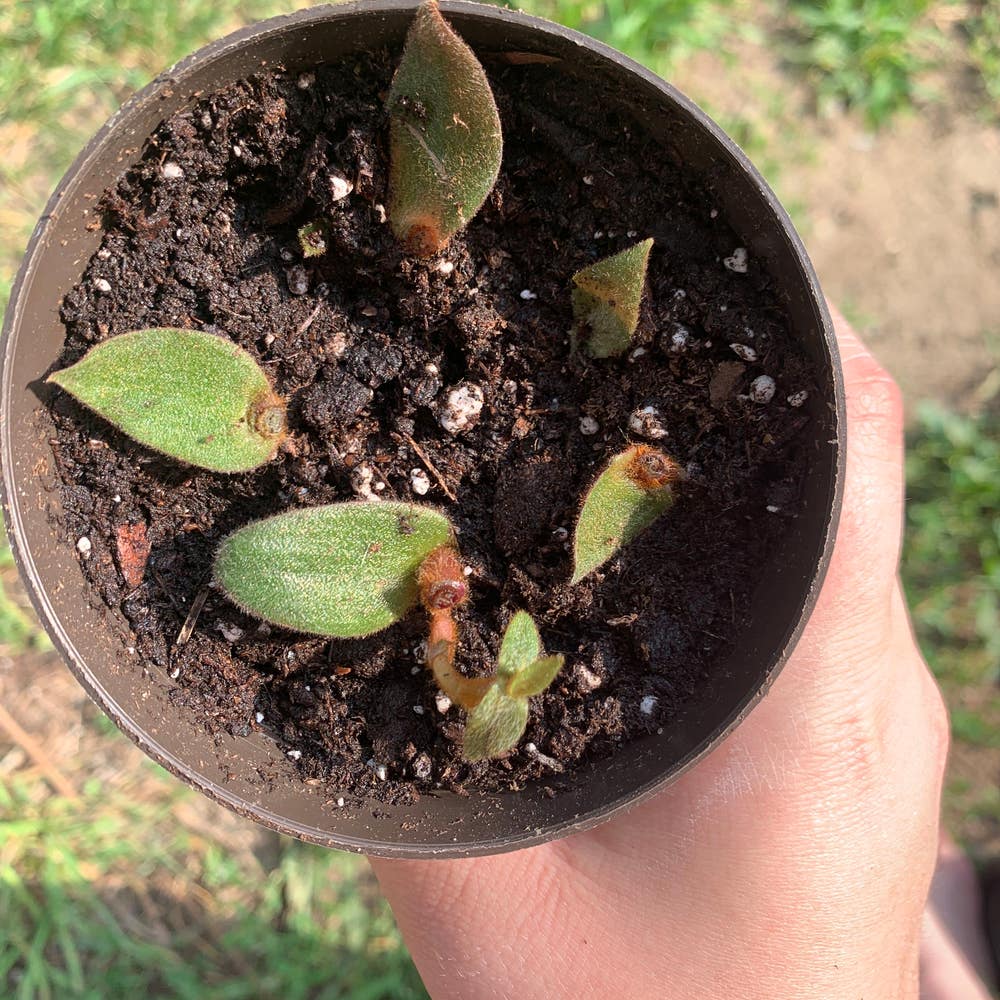
The gray-green foliage of the Kitten Ear Plant pairs beautifully with the vibrant colors of Echeveria and Marigold. This contrast not only highlights the unique features of each plant but also adds depth to your garden.
Additionally, the fuzzy leaves of the Kitten Ear Plant provide a delightful textural contrast to the smooth leaves of Aloe Vera. This interplay of textures enriches the visual experience, making your garden a feast for the eyes.
As you consider your planting options, think about how these combinations can transform your garden into a stunning visual masterpiece. Next, let’s explore how companion plants can help manage pests effectively.
Plants to Avoid
🌵 Cacti
Cacti may seem like a good idea, but they compete for the same resources as the Kitten Ear Plant. This competition can lead to overcrowding and hinder the growth of both plants.
🍽️ Heavy Feeders
Plants that require more water and nutrients can stress your Kitten Ear Plant. These heavy feeders can drain the soil of essential resources, leaving your Kitten Ear Plant struggling to thrive.
❌ Reasons for Incompatibility
Resource Competition
Both cacti and heavy feeders have similar light and water needs. This overlap can lead to poor growth and overall health for your Kitten Ear Plant.
Pest Attraction
Some incompatible plants may attract pests that could harm your Kitten Ear Plant. Keeping these plants away helps maintain a healthier garden ecosystem.
By being mindful of what you plant alongside your Kitten Ear Plant, you can create a thriving garden environment. Next, let’s explore how companion plants can help with pest management.
⚠️ Safety First
This content is for general information and may contain errors, omissions, or outdated details. It is not medical, veterinary advice, or an endorsement of therapeutic claims.
Always consult a qualified healthcare professional before using any plant as food, medicine, or supplement.
Never eat any plant (or feed one to pets) without confirming its identity with at least two trusted sources.
If you suspect poisoning, call Poison Control (800) 222-1222, the Pet Poison Helpline (800) 213-6680, or your local emergency service immediately.
Spotted an error? Please report it here.
Boost your Kitten Ear Plant's health and beauty with vibrant companions 🌼 like Echeveria and Marigold, and let Greg provide tailored care tips to help your garden flourish!