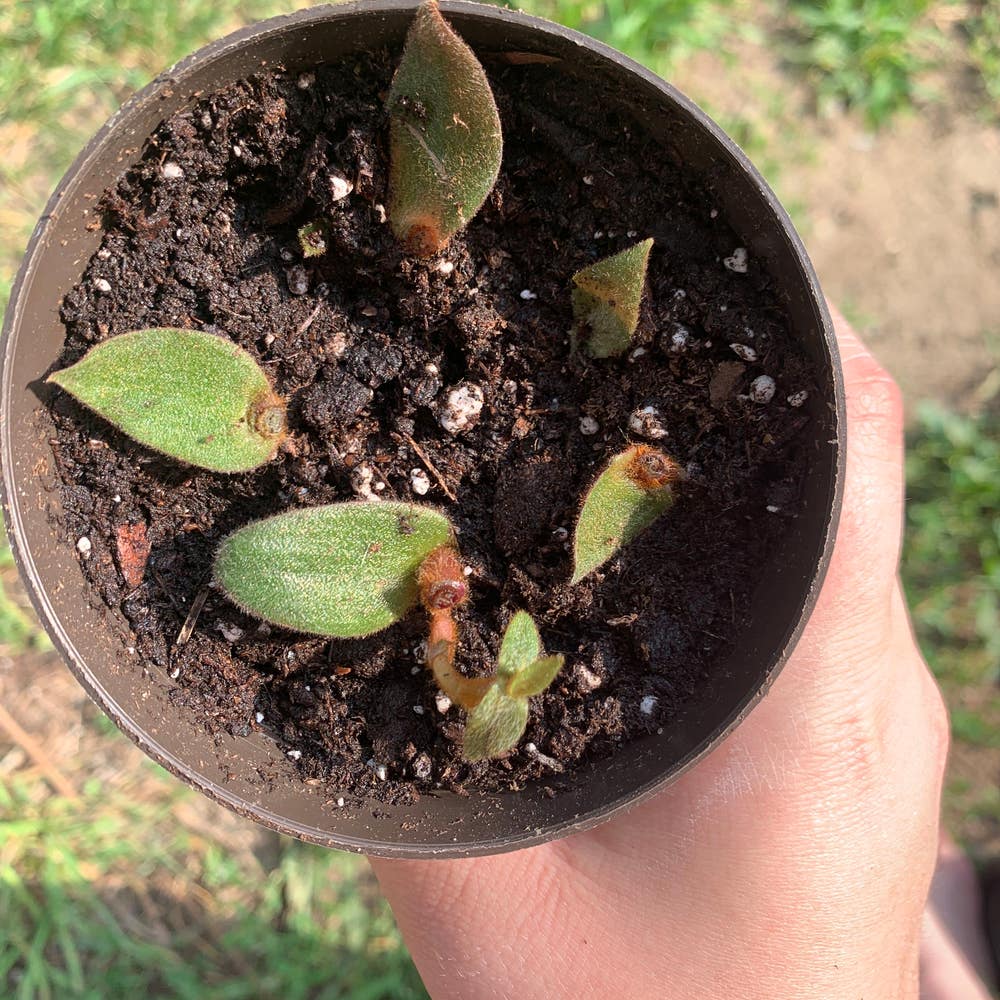
🐱 Kitten Ear Plant Roots 101
Cyanotis somaliensis
By the Greg Editorial Team
Oct 19, 2024•5 min read
This article was created with the help of AI so we can cover more plants for you. May contain errors. See one? Report it here.
Master root health for thriving Kitten Ear Plants and watch your indoor garden flourish! 🌱
- 🌱 Kitten Ear Plant roots are fibrous and shallow, spreading widely for nutrient absorption.
- 🚫💧 Overwatering risks root rot; let the top inch of soil dry before watering.
- 🌿 Healthy roots are white and firm, crucial for the plant's growth and propagation.
Root Depth and Growth Patterns
🌱 Type of Root System
The Kitten Ear Plant features a fibrous root system. This means its roots are thin and branching, spreading widely to maximize their reach.
These roots are designed for efficiency, allowing the plant to absorb nutrients and water effectively. This structure supports the plant's overall health and resilience.
📏 Root Depth and Spread
Typically, the roots of the Kitten Ear Plant are shallow but extensive. They can extend several feet from the base, creating a broad network underground.
During the growing season, these roots exhibit rapid expansion. Seasonal variations can also influence their growth, adapting to environmental changes.
Watering and Fertilizing
How Root System Affects Watering Needs 🐾
The Kitten Ear Plant has a shallow root system, making it particularly sensitive to overwatering. To keep your plant thriving, allow the top inch of soil to dry out before watering again.
Fertilizing Considerations Based on Root Health 🌱
Choosing the right fertilizer is crucial for the health of your Kitten Ear Plant. Opt for a balanced, water-soluble fertilizer during the growing season to support robust root development.
Timing is also key. Fertilize every 4-6 weeks to ensure your plant receives the nutrients it needs without overwhelming its delicate roots.
By understanding the watering and fertilizing needs of your Kitten Ear Plant, you can foster a healthy root system that supports overall plant vitality. This foundation will set the stage for addressing common root-related issues in the next section.
Common Root-Related Issues
🕵️♂️ Identifying Root Rot and Other Issues
Root rot is a common problem for Kitten Ear Plants, and recognizing its symptoms early can save your plant. Look for wilting leaves, yellowing foliage, and mushy roots—these are clear indicators that something is wrong.
Other issues can also plague your plant's roots. Pests like root aphids can cause significant damage, while nutrient deficiencies may lead to stunted growth and discoloration.
🛠️ Tips for Prevention and Solutions
Preventing root rot starts with proper watering techniques. Ensure you allow the top inch of soil to dry out before watering again, and always use well-draining soil to promote healthy root growth.
If you find your plant already suffering from root issues, repotting can be a lifesaver. Trim away any unhealthy roots and replant in fresh soil to give your Kitten Ear Plant a fighting chance.
By staying vigilant and proactive, you can maintain a thriving root system that supports your plant's overall health. Next, let’s explore how to identify indicators of root health, ensuring your plant remains vibrant and resilient.
Indicators of Root Health
👀 Visual Cues for Healthy Roots
Healthy roots are a plant's lifeline. Look for roots that are white, firm, and well-structured, indicating they are thriving and capable of efficient nutrient absorption.
Root health is crucial for overall plant vitality. Strong roots support robust growth, enhance resilience against stress, and ensure your Kitten Ear Plant flourishes.
🚩 Signs of Unhealthy Roots
Unhealthy roots can be a red flag for your plant's well-being. Indicators include brown, mushy, or foul-smelling roots, which signal potential issues like rot or disease.
Neglecting root health can lead to serious consequences. Affected plants may exhibit stunted growth, wilting leaves, or even death, making it essential to monitor root conditions regularly.
Understanding these signs will empower you to take action, ensuring your Kitten Ear Plant remains vibrant and healthy. Next, let’s explore how to identify and address root-related issues effectively.
Rootbound Plants
📏 Definition and Recognition of Rootbound Plants
Rootbound plants occur when the roots grow in a confined space, often circling around the pot. This condition can lead to stunted growth and poor nutrient absorption.
Signs of rootbound conditions include roots visibly growing out of drainage holes and a noticeable lack of new growth. If your Kitten Ear Plant seems to be struggling despite proper care, it might be time to check its roots.
🛠️ Solutions for Rootbound Conditions
Address rootbound issues as soon as you notice the signs. Ignoring them can lead to further stress on the plant.
To remedy rootbound conditions, follow these steps:
- Repotting: Choose a pot that is one size larger to give the roots room to expand.
- Root Pruning: Trim any circling roots to encourage new growth and prevent future binding.
- Soil Refresh: Use fresh potting mix to provide essential nutrients.
By taking these actions, you can help your Kitten Ear Plant thrive and regain its vigor. Understanding rootbound conditions is crucial for maintaining a healthy plant and ensuring its long-term success.
Next, we’ll explore propagation techniques and how healthy roots play a vital role in this process.
Propagation and Division
Importance of Root Health in Propagation 🌱
Healthy roots are crucial for successful propagation of the Kitten Ear Plant. They ensure that new divisions can absorb nutrients and water effectively, promoting robust growth.
Timing is also key when it comes to propagation. The best practice is to divide the plant during its active growing season, typically in spring or early summer, to give the new sections the best chance to thrive.
Techniques for Dividing Kitten Ear Plant ✂️
Dividing your Kitten Ear Plant can be a rewarding process. Follow these steps for a successful division:
Preparing tools: Start with a clean, sharp knife or scissors. This helps prevent any potential infections.
Identifying division points: Look for natural separations in the root ball. These are usually areas where the roots are already somewhat distinct.
Replanting divided sections: After separating the roots, replant each section in fresh soil. Ensure proper watering to help them settle in.
By following these techniques, you can effectively propagate your Kitten Ear Plant, ensuring its health and vitality for years to come.
As you dive into propagation, remember that healthy roots lead to thriving plants, setting the stage for a lush indoor garden.
⚠️ Safety First
This content is for general information and may contain errors, omissions, or outdated details. It is not medical, veterinary advice, or an endorsement of therapeutic claims.
Always consult a qualified healthcare professional before using any plant as food, medicine, or supplement.
Never eat any plant (or feed one to pets) without confirming its identity with at least two trusted sources.
If you suspect poisoning, call Poison Control (800) 222-1222, the Pet Poison Helpline (800) 213-6680, or your local emergency service immediately.
Spotted an error? Please report it here.
Nurture your Kitten Ear Plant's roots for vibrant growth 🌿 by using Greg's tailored watering alerts and fertilization tips to keep it thriving!