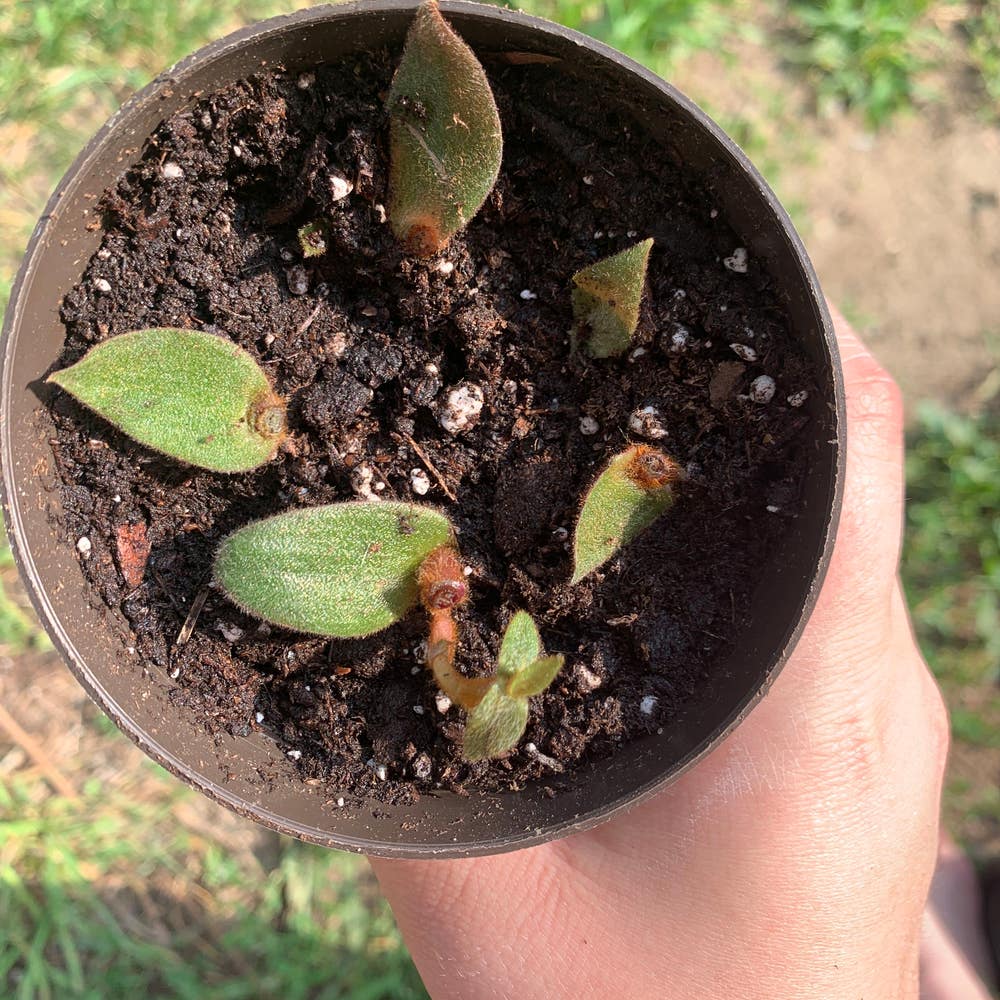
🐱 Why Your Kitten Ear Plant Is Not Doing Well
Cyanotis somaliensis
By the Greg Editorial Team
Oct 19, 2024•4 min read
This article was created with the help of AI so we can cover more plants for you. May contain errors. See one? Report it here.
Master early signs of distress 🌱 to keep your Kitten Ear Plant thriving and flourishing with simple care tips!
- 🌱 Signs of stress include yellow leaves and wilting; monitor closely for health.
- 💧 Watering issues arise from over or underwatering; check soil moisture regularly.
- 🌞 Optimal light is bright, indirect; adjust to prevent leggy growth and stress.
Recognizing Unhealthy Kitten Ear Plant
🚨 Signs of an unhealthy plant
Your Kitten Ear Plant can show several signs when it's not thriving. Recognizing these early can make a big difference in its recovery.
💛 Yellowing Leaves
One of the first indicators of stress is yellowing leaves. This often points to nutrient deficiencies or environmental stressors that need addressing.
🐛 Fuzzy Texture Changes
If you notice fuzzy texture changes on the leaves, it could signal pest infestations or diseases. Keep an eye out for any unusual growths that weren't there before.
😟 Wilting or Drooping
Wilting or drooping leaves suggest potential watering issues or root problems. This is a clear sign that your plant needs immediate attention.
📉 Stunted Growth
Stunted growth is another red flag. If your plant isn’t growing as expected, it may be facing environmental stressors that require your intervention.
By staying vigilant and recognizing these signs, you can help your Kitten Ear Plant bounce back. Next, let’s explore some common problems that could be affecting its health.
Common Problems
🌊 Incorrect Watering
Identifying Overwatering and Underwatering
Watering issues are a leading cause of stress for your Kitten Ear Plant.
- Overwatered: Look for yellowing leaves, mushy stems, and root rot.
- Underwatered: Signs include wilting, dry leaves, and crispy edges.
Causes and Solutions
Several factors can lead to incorrect watering practices.
- Poor drainage or compacted soil can trap water, while inconsistent watering schedules can leave your plant thirsty.
- Assess soil moisture: Use a moisture meter or your finger to check the soil.
- Adjust watering frequency: Water only when the top inch of soil feels dry.
- Improve drainage: Consider repotting in well-draining soil to prevent water retention.
💡 Incorrect Light Conditions
Symptoms and Causes
Light conditions can significantly impact your plant's health.
- Insufficient light leads to leggy growth, slow development, and pale leaves.
- Excessive light causes scorched leaves and browning tips.
Solutions
Finding the right light balance is crucial for your Kitten Ear Plant's vitality.
- Relocate your plant to a spot with bright, indirect light.
- Use sheer curtains to diffuse harsh sunlight and protect delicate leaves.
🐜 Pests
Common Pests and Identification
Pests can wreak havoc on your plant's health if not addressed promptly.
- Aphids: Small, green insects that suck sap from leaves.
- Spider mites: Tiny, web-spinning pests that can be hard to spot.
Treatment Options
Taking action against pests can save your plant from further damage.
- Spray with insecticidal soap or neem oil to eliminate pests.
- Introduce beneficial insects like ladybugs to keep pest populations in check.
- Regularly inspect and clean leaves to prevent infestations.
🦠 Diseases
Common Diseases and Symptoms
Diseases can manifest in various ways, affecting your plant's appearance and health.
- Powdery mildew: Look for white, powdery spots on leaves.
- Rust: Watch for orange or brown spots on foliage.
- Black rot: Dark, water-soaked lesions indicate serious issues.
- Blight: Rapid wilting and browning of leaves can signal distress.
Causes and Treatment
Understanding the causes can help you tackle diseases effectively.
- High humidity and poor air circulation often lead to powdery mildew.
- Overwatering and fungal spores can cause black rot.
- Improve air circulation and reduce humidity around your plant.
- Use fungicides for severe infections to restore health.
🌱 Growth Problems
Identifying Growth Issues
Growth problems can indicate underlying issues that need attention.
- Not growing: Stunted growth often results from poor conditions.
- Leaning or leggy: This usually signals insufficient light.
Causes and Solutions
Identifying the root cause is essential for recovery.
- Inadequate light, poor soil quality, or pest infestations can hinder growth.
- Ensure optimal light conditions and proper watering practices.
- Fertilize regularly during the growing season to promote healthy growth.
By addressing these common problems, you can help your Kitten Ear Plant thrive. Next, let’s explore preventive measures to keep your plant healthy and vibrant.
Preventive Measures
Best Practices for Care 🌱
To keep your Kitten Ear Plant thriving, regularly check the soil moisture. Adjust your watering schedule based on the moisture level to avoid stress.
Ensure your plant receives adequate light and maintains a comfortable temperature. A well-lit spot can make all the difference in its growth.
Maintaining cleanliness around your plant is crucial. This simple step can help prevent pests from taking hold.
Importance of Early Detection 🔍
Early detection of issues is key to saving your plant from severe damage. A quick inspection can reveal problems before they escalate.
Regular checks not only help maintain optimal growing conditions but also foster a deeper connection with your plant. The more you engage, the healthier it becomes.
As you implement these preventive measures, you'll set your Kitten Ear Plant up for success. Next, let’s explore the common problems that can arise and how to tackle them effectively.
⚠️ Safety First
This content is for general information and may contain errors, omissions, or outdated details. It is not medical, veterinary advice, or an endorsement of therapeutic claims.
Always consult a qualified healthcare professional before using any plant as food, medicine, or supplement.
Never eat any plant (or feed one to pets) without confirming its identity with at least two trusted sources.
If you suspect poisoning, call Poison Control (800) 222-1222, the Pet Poison Helpline (800) 213-6680, or your local emergency service immediately.
Spotted an error? Please report it here.
Keep your Kitten Ear Plant thriving 🌿 by recognizing stress signs and adjusting care with Greg's personalized reminders that ensure your plant gets exactly what it needs!