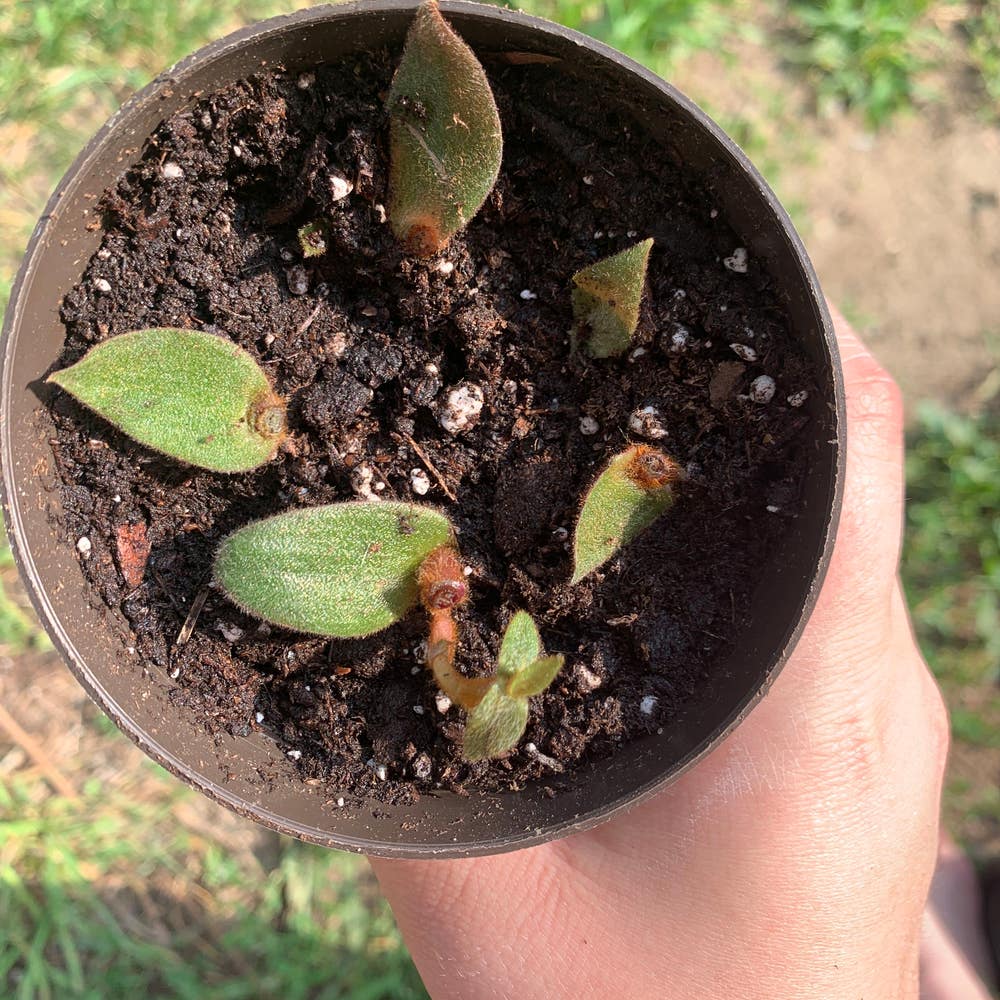
What to Do About Kitten Ear Plant Root Rot 🐱
Cyanotis somaliensis
By the Greg Editorial Team
Oct 19, 2024•3 min read
This article was created with the help of AI so we can cover more plants for you. May contain errors. See one? Report it here.
Revive your Kitten Ear Plant from root rot and ensure its vibrant growth with these essential care tips! 🌿
- 🌱 Treat Kitten Ear Plant root rot with a step-by-step approach for best results.
- 🥄 Inspect and trim black roots; healthy roots should feel firm and clean.
- 💧 Use well-draining soil and pots to prevent future root rot issues.
Alleviating Root Rot
🛠️ Step-by-step Guide to Treating Root Rot
Treating root rot can seem daunting, but with a clear plan, you can save your Kitten Ear Plant. Follow these steps for effective treatment.
Remove the plant from its pot: Gently loosen the soil around the roots to avoid damage.
Inspect the roots: Look for any black, mushy roots and trim them away. Healthy roots should feel firm.
Clean the remaining healthy roots: Rinse them with clean water to remove any lingering soil.
Prepare a new pot: Choose one with adequate drainage holes to prevent future issues.
Use fresh, well-draining soil: Opt for a cactus mix or a blend of perlite and potting soil for optimal drainage.
Replant the Kitten Ear Plant: Position it at the same depth as before to ensure stability.
Water sparingly: Allow the soil to dry out before the next watering to prevent recurrence.
🌱 How to Repot a Kitten Ear Plant
Repotting is essential for maintaining plant health. Here’s how to do it easily:
Choose a pot 1-2 inches larger: This gives the roots room to grow without excess moisture.
Fill the bottom with gravel or stones: This layer aids drainage and keeps the roots dry.
Add fresh soil mix: Create a mound in the center to support the plant.
Place the plant on the mound: Fill in around the sides with soil, ensuring it’s secure.
Water lightly: This helps settle the soil without over-saturating it.
🚫 Preventing Root Rot
Preventing root rot is easier than treating it. Here are some best practices to keep your Kitten Ear Plant thriving.
Best Watering Practices
Watering frequency: Allow the top 2-3 inches of soil to dry out between waterings.
Watering method: Water thoroughly until it drains from the bottom, then discard any excess.
Seasonal adjustments: Reduce watering in winter when the plant's growth slows.
Importance of Soil Drainage
Proper drainage is crucial for plant health. Here’s what to consider:
Choosing well-draining soil: This prevents water retention, which leads to root rot.
Pot selection: Always use pots with drainage holes to allow excess water to escape.
Elevating pots: Consider using pot feet or trays to improve airflow around the roots.
Choosing the Right Pot
Selecting the right pot can make a big difference. Keep these factors in mind:
Material considerations: Terracotta pots absorb moisture, while plastic retains it.
Size matters: Ensure the pot isn’t too large to prevent excess soil moisture.
Drainage features: Look for pots with multiple drainage holes for optimal water management.
👀 Monitoring Plant Health
Regular monitoring can help catch issues early. Here’s how to stay on top of your plant’s health.
Regular Checks for Root Rot
Weekly inspections: Look for signs of wilting or yellowing leaves.
Soil moisture assessment: Use a moisture meter or your finger to check regularly.
Root health checks: Inspect roots during repotting or care routines to ensure they’re healthy.
Signs of Recovery After Treatment
After treatment, watch for these positive signs:
New growth: Healthy leaves or stems emerging indicate recovery.
Improved leaf color: A transition from yellowing to vibrant green is a good sign.
Firm roots: Healthy roots should feel firm and not mushy.
Long-term Care Tips to Avoid Recurrence
Consistency is key to preventing root rot. Follow these tips for long-term success:
Maintain a consistent watering schedule: Avoid fluctuations in soil moisture.
Monitor environmental conditions: Ensure proper humidity and temperature for your plant.
Regularly refresh soil: Replace topsoil annually to maintain soil health.
With these strategies, you can effectively manage and prevent root rot in your Kitten Ear Plant, ensuring it remains healthy and vibrant.
⚠️ Safety First
This content is for general information and may contain errors, omissions, or outdated details. It is not medical, veterinary advice, or an endorsement of therapeutic claims.
Always consult a qualified healthcare professional before using any plant as food, medicine, or supplement.
Never eat any plant (or feed one to pets) without confirming its identity with at least two trusted sources.
If you suspect poisoning, call Poison Control (800) 222-1222, the Pet Poison Helpline (800) 213-6680, or your local emergency service immediately.
Spotted an error? Please report it here.
Banish root rot and revitalize your Kitten Ear Plant 🌿 with Greg's tailored watering reminders and moisture checks, ensuring your plant flourishes with every step you take!