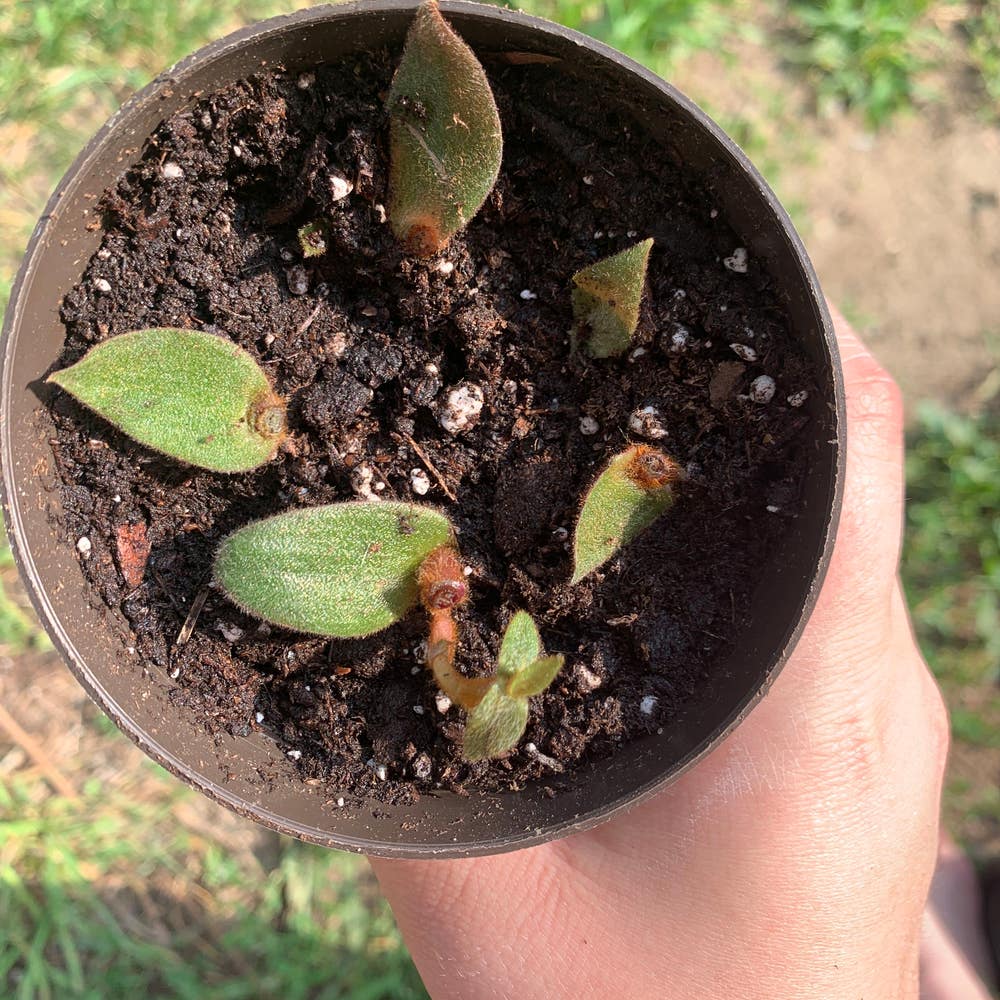
Determining What Might Be Eating Your Kitten Ear Plant 🐱
Cyanotis somaliensis
By the Greg Editorial Team
Oct 19, 2024•6 min read
This article was created with the help of AI so we can cover more plants for you. May contain errors. See one? Report it here.
Safeguard your Kitten Ear Plant from pesky herbivores while inviting beneficial wildlife for a flourishing garden! 🌿
- 🐾 Identify common herbivores like deer and rabbits that may damage your Kitten Ear Plant.
- 🌱 Look for signs of damage such as hoof prints or clean leaf cuts.
- 🚫 Use tailored deterrents like repellents and companion plants to protect your garden.
Common Herbivores Affecting Kitten Ear Plant
🦌 Deer
Signs of presence and damage caused
Look for hoof prints in muddy areas near your Kitten Ear Plant. You might also notice leaves stripped from the top, indicating deer browsing.
Beneficial vs. harmful interactions
Deer interactions are generally harmful. If left unmanaged, they can decimate your plant population.
Deterrent methods
To keep deer at bay, consider using commercial deer repellents. Alternatively, planting strong-smelling herbs nearby can serve as an organic deterrent.
🐇 Rabbits
Signs of presence and damage caused
Rabbits leave small, round droppings near the plant. You may also find clean cuts on the edges of chewed stems and leaves.
Beneficial vs. harmful interactions
Rabbits are generally harmful, often leading to significant damage to your plants.
Deterrent methods
Bitter-tasting sprays can deter rabbits effectively. For a more organic approach, consider fencing that is 2-3 feet high or using predator urine.
🐿️ Squirrels
Signs of presence and damage caused
Squirrels create disturbances by digging around the base of the plant. Look for irregular bite marks on chewed leaves and stems.
Beneficial vs. harmful interactions
Squirrel interactions are generally harmful, causing stress to your plant.
Deterrent methods
Capsaicin-based sprays can deter squirrels. Another option is to install squirrel-proof feeders to distract them from your plants.
🐦 Birds
Signs of presence and damage caused
Peck marks, which appear as small holes in leaves and flowers, are a sign of bird activity. Nearby nests can also indicate frequent visits.
Beneficial vs. harmful interactions
Bird interactions can be mixed. While some birds help control pests, others may cause damage to your plants.
Deterrent methods
Bird-safe repellents can help keep unwanted birds away. Hanging reflective objects is another easy, organic method to deter them.
🐭 Rodents (mice, voles, etc.)
Signs of presence and damage caused
Look for small burrows near the plant, which indicate rodent activity. You may also see visible damage at the base from gnawed roots and stems.
Beneficial vs. harmful interactions
Rodents are generally harmful, as they can significantly weaken your plant.
Deterrent methods
Rodent bait stations are a chemical deterrent option. For an organic approach, consider traps or planting deterrent plants.
🦡 Groundhogs/Woodchucks
Signs of presence and damage caused
Groundhogs leave large burrows near the base of the plant. You may also find distinctive, large bite marks on chewed foliage.
Beneficial vs. harmful interactions
These animals are generally harmful and can cause extensive damage to your garden.
Deterrent methods
Commercial repellents designed for larger mammals can be effective. Additionally, fencing that is 3-4 feet high or using motion-activated sprinklers can help keep them away.
Understanding these common herbivores and their interactions with your Kitten Ear Plant is crucial for maintaining a healthy garden. Next, let’s explore the beneficial animals that can enhance your garden ecosystem.
Beneficial Animals and Ecosystem Roles
🐝 Description of Beneficial Animals Attracted to Kitten Ear Plant
Kitten Ear Plant isn't just a feast for herbivores; it also attracts a variety of beneficial animals. Pollinators like bees and butterflies flock to its flowers, playing a crucial role in the reproductive cycle of many plants.
Additionally, predatory insects such as ladybugs and lacewings help keep pest populations in check. Their presence can significantly reduce the need for chemical interventions in your garden.
🌱 Positive Impacts on the Garden Ecosystem
The benefits of these animals extend beyond mere attraction. Enhanced pollination from bees and butterflies leads to better fruit and seed production, ensuring a thriving garden.
Moreover, natural pest control provided by ladybugs and lacewings means healthier plants and less reliance on synthetic pesticides. This creates a balanced ecosystem that supports both your plants and the wildlife around them.
Incorporating these beneficial animals into your gardening strategy not only enriches your garden but also fosters a sustainable environment. Embracing this natural synergy can lead to a flourishing garden that thrives year-round.
As we explore ways to protect your Kitten Ear Plant, understanding these beneficial interactions will guide your efforts in maintaining a vibrant ecosystem.
General Strategies for Protecting Kitten Ear Plant
🛡️ Preventive Measures for Herbivore Damage
To keep your Kitten Ear Plant safe, consider planting companion plants that naturally deter herbivores. Strong-smelling herbs like lavender or rosemary can create a fragrant barrier that many animals avoid.
Regular monitoring is crucial as well. Check for signs of animal activity, such as tracks or droppings, to catch potential threats early.
⚠️ Reactive Solutions for Managing Animal Interactions
If you notice any damage, act quickly by removing affected parts of the plant. This encourages new growth and helps the plant recover faster.
During peak feeding times, using barriers can be highly effective. Simple solutions like row covers or fencing can protect your plants from hungry visitors.
🌱 Seasonal Variations in Animal Attraction to Kitten Ear Plant
Be aware that herbivore activity tends to spike in spring and early summer. Young shoots are particularly appealing during this time, making your plant more vulnerable.
Implementing seasonal protection strategies, such as temporary fencing, can safeguard your Kitten Ear Plant when it needs it most. This proactive approach will help ensure your plant thrives throughout the growing season.
By combining these strategies, you can create a resilient environment for your Kitten Ear Plant, allowing it to flourish despite the challenges posed by herbivores.
Toxicity and Safety
Mild Toxicity of Kitten Ear Plant 🐾
The Kitten Ear Plant can exhibit mild toxicity, which may affect certain herbivores. This means that while some animals might experience adverse effects, others may be completely unaffected.
Implications for Animal Interactions 🦙
This mild toxicity can deter some herbivores, making them think twice before munching on your plants. However, it can also attract other animals that are not impacted by the plant's chemical makeup.
Importance of Understanding Plant Toxicity 📚
Understanding the toxicity of the Kitten Ear Plant is crucial for managing animal interactions effectively. By knowing which animals might be deterred or attracted, you can create a more balanced garden ecosystem.
Garden Safety Considerations 🏡
Always consider the safety of pets and local wildlife when planting. Being informed about the potential effects of the Kitten Ear Plant can help you make better choices for your garden.
This knowledge sets the stage for implementing effective strategies to protect your Kitten Ear Plant from herbivores while fostering a thriving ecosystem. Next, we’ll explore general strategies for safeguarding your plants against unwanted visitors.
⚠️ Safety First
This content is for general information and may contain errors, omissions, or outdated details. It is not medical, veterinary advice, or an endorsement of therapeutic claims.
Always consult a qualified healthcare professional before using any plant as food, medicine, or supplement.
Never eat any plant (or feed one to pets) without confirming its identity with at least two trusted sources.
If you suspect poisoning, call Poison Control (800) 222-1222, the Pet Poison Helpline (800) 213-6680, or your local emergency service immediately.
Spotted an error? Please report it here.
Protect your Kitten Ear Plant from pesky herbivores 🐾 by using Greg's tailored tips and reminders to monitor damage and foster a balanced garden ecosystem!