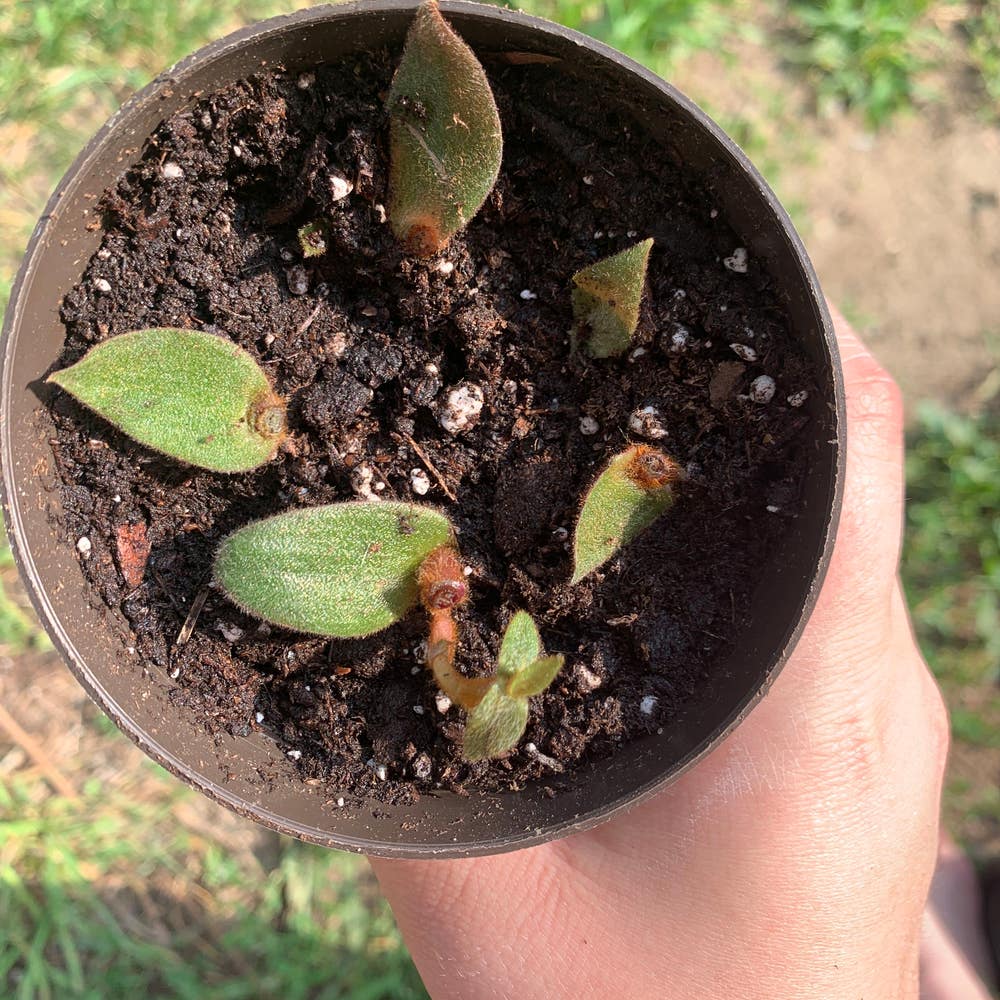
How to Know When to Repot Kitten Ear Plant 🐱
Cyanotis somaliensis
By the Greg Editorial Team
Oct 19, 2024•6 min read
This article was created with the help of AI so we can cover more plants for you. May contain errors. See one? Report it here.
Transform your Kitten Ear Plant's health 🌱 with this simple repotting guide for vibrant growth and vitality!
- 🌱 Repot in early spring for optimal growth and adjustment of your Kitten Ear Plant.
- 🕳️ Ensure proper drainage to prevent root rot; choose pots with holes.
- 💧 Water thoroughly after repotting, but wait until soil dries before the next watering.
Repotting Process
Repotting your Kitten Ear Plant can seem daunting, but with a clear step-by-step guide, you’ll be a pro in no time. Here’s how to do it effectively.
📝 Step-by-step guide to repotting
Choose the right time: Aim for early spring or just before the growing season. This timing helps your plant adjust better to its new home.
Prepare the new pot: Ensure it has adequate drainage holes to prevent waterlogging. If you're reusing a pot, give it a good clean to eliminate any leftover residues.
Remove the plant from its current pot: Gently loosen the soil around the edges. Carefully lift the plant by the base to avoid damaging the roots.
Inspect the roots: Trim any damaged or dead roots to promote healthy growth. If you notice circling roots, untangle them gently.
Place the plant in the new pot: Position it at the same depth as before. Fill in with fresh soil mix, leaving some space at the top for watering.
Water thoroughly: Ensure water drains out of the bottom to avoid root rot. Be cautious not to overwater, as this can stress your plant.
🛠️ Tools needed for repotting
To make the process smoother, gather these essential tools:
- Clean potting knife or scissors: Perfect for trimming roots.
- Trowel: Handy for adding soil.
- Watering can: Use it for that crucial initial watering.
- Gloves: Protect your hands while handling soil and plants.
With these steps and tools, you’re well on your way to successfully repotting your Kitten Ear Plant. This process not only refreshes the plant’s environment but also encourages robust growth.
Next, let’s explore how to choose the right pot for your plant.
Choosing the Right Pot
Selecting the right pot for your Kitten Ear Plant is crucial for its health and growth. The material and size of the pot can significantly impact drainage and moisture retention.
🪴 Best materials for pots
Terracotta
Terracotta pots are a popular choice due to their excellent drainage capabilities. The breathable material helps prevent root rot, making it ideal for plants that prefer drier conditions.
However, they can dry out quickly, which means you'll need to water more frequently. If you enjoy a hands-on approach to plant care, this might be a good fit for you.
Plastic
Plastic pots are lightweight and easy to handle, making them a practical option for many gardeners. They retain moisture longer than terracotta, which can be beneficial if you sometimes forget to water.
On the downside, plastic is less breathable. This can lead to root rot if you’re not careful with your watering habits.
Ceramic
Ceramic pots offer aesthetic appeal with a variety of designs to choose from. They are good at maintaining moisture, which can be advantageous for your plant's health.
However, they tend to be heavier and more expensive. Additionally, ensure that the ceramic pot has adequate drainage holes, as this is essential for your plant's well-being.
📏 Size considerations
When choosing a pot, aim for one that is 1-2 inches larger in diameter than the current pot. This allows for healthy root growth without the risk of overwatering.
Avoid oversized pots, as they can retain excess moisture, leading to root issues. Always consider the growth rate of your Kitten Ear Plant to ensure you select the right size for its needs.
Choosing the right pot is a foundational step in repotting your Kitten Ear Plant. Next, let’s explore the ideal soil mix to ensure your plant thrives in its new home.
Soil Requirements
Ideal Soil Mix 🌱
For your Kitten Ear Plant, the right soil mix is crucial. Aim for a blend of 50% potting soil, 25% perlite, and 25% sand.
This combination ensures good drainage while providing essential nutrients. The ideal pH should be slightly acidic to neutral, ranging from 6.0 to 7.0.
Importance of Drainage 🚰
Drainage is a game-changer for your plant's health. It prevents water retention, which can lead to root rot—a common issue for many plant owners.
Good drainage also promotes healthy root growth and aeration. Remember, this plant thrives in its native arid environment, so mimicking those conditions is key to its success.
In summary, using the right soil mix and ensuring proper drainage will set your Kitten Ear Plant up for a thriving life. Next, let’s explore how to choose the right pot for your plant!
Post-Repotting Care
💧 Watering after repotting
After repotting your Kitten Ear Plant, give it a light watering to help settle the soil around the roots. It's crucial to wait until the top inch of soil is dry before watering again to avoid drowning your plant.
👀 Monitoring moisture levels
Keep an eye out for signs of overwatering or underwatering. Yellowing leaves or a mushy stem can indicate too much water, while crispy edges or drooping leaves suggest it’s time for a drink.
🌞 Light requirements
Position your newly repotted plant in bright, indirect light for the best recovery. Direct sunlight can stress it out, so give it a few weeks to adjust before introducing it to harsher conditions.
🌅 Gradual exposure to sunlight
After the initial recovery period, gradually increase its exposure to sunlight. This helps the plant acclimate without overwhelming it, promoting healthy growth.
📝 Final thoughts on post-repotting care
Taking care of your Kitten Ear Plant after repotting is essential for its health and vitality. With the right watering and light conditions, your plant will thrive and reward you with lush growth.
Next, let’s explore some common mistakes to avoid during the repotting process.
Common Mistakes
🪴 Overpotting vs. Underpotting
Choosing the right pot size is crucial for your Kitten Ear Plant's health. Overpotting occurs when you select a pot that’s too large, leading to excess moisture retention, which can cause root rot.
On the flip side, underpotting happens when the pot is too small. This restricts root growth and limits the plant's ability to absorb nutrients effectively.
🚨 Signs of Stress After Repotting
After repotting, keep an eye out for signs of stress in your plant. Wilting leaves or drooping stems can indicate that your plant is struggling to adjust.
You might also notice leaf discoloration or drop, which signals that something isn’t right. Additionally, stunted growth or a lack of new growth can be a red flag that your plant needs some extra care.
By being aware of these common mistakes and signs, you can ensure your Kitten Ear Plant thrives in its new home. Next, let's explore the post-repotting care that will help your plant recover and flourish.
⚠️ Safety First
This content is for general information and may contain errors, omissions, or outdated details. It is not medical, veterinary advice, or an endorsement of therapeutic claims.
Always consult a qualified healthcare professional before using any plant as food, medicine, or supplement.
Never eat any plant (or feed one to pets) without confirming its identity with at least two trusted sources.
If you suspect poisoning, call Poison Control (800) 222-1222, the Pet Poison Helpline (800) 213-6680, or your local emergency service immediately.
Spotted an error? Please report it here.
Repot your Kitten Ear Plant like a pro 🌱 with Greg's tailored care tips and reminders, ensuring it flourishes in its new home!