What is a Furry Kittens? Complete Guide 🐱
Cyanotis somaliensis
By the Greg Editorial Team
Jan 24, 2025•10 min read
This article was created with the help of AI so we can cover more plants for you. May contain errors. See one? Report it here.
Grow Furry Kittens 🌱 for a stunning garden that purifies air and attracts pollinators! 🐝
- 🌞 Furry Kittens thrive in bright, indirect sunlight with specific humidity and temperature needs.
- 🌱 Well-draining soil is essential; enhance it with perlite or sand for optimal growth.
- 🐾 Safe for pets, but monitor for nibbling to prevent any issues.
How to Grow
Choosing a Location 🌞
To thrive, furry kittens need bright, indirect sunlight. Whether you choose to grow them indoors or outdoors, consider the temperature and humidity levels that best suit their needs.
Soil Preparation 🏜️
A well-draining potting mix is essential for healthy growth. You can enhance drainage by adding perlite or sand to the soil.
Planting 🌱
When planting, ensure you dig a hole that is 1-2 inches deep. For outdoor planting, space your furry kittens 12-18 inches apart to allow for proper growth.
Watering 🚰
Watering should be done with care; allow the soil to dry out between waterings. Watch for signs of overwatering, like yellowing leaves, or underwatering, which may cause wilting.
Fertilizing 🍽️
During the growing season, fertilize your plants monthly. A balanced NPK fertilizer will provide the nutrients they need to flourish.
Pruning ✂️
Prune your furry kittens in early spring or after flowering to maintain their shape and health. Regular trimming encourages bushier growth and prevents overcrowding.
Ongoing Care 🛡️
Keep an eye out for pests and diseases, as regular monitoring is crucial. Adjust your care routine based on seasonal changes to ensure optimal growth.
Outdoor vs. Container Growing 🌍
Container gardening offers the benefits of mobility and better control over soil conditions. If planting outdoors, ensure your furry kittens receive adequate sun exposure and protection from harsh weather.
With these tips, you’re well on your way to cultivating beautiful furry kittens. Next, let’s explore how to propagate these delightful plants!
Propagation
🌱 Methods
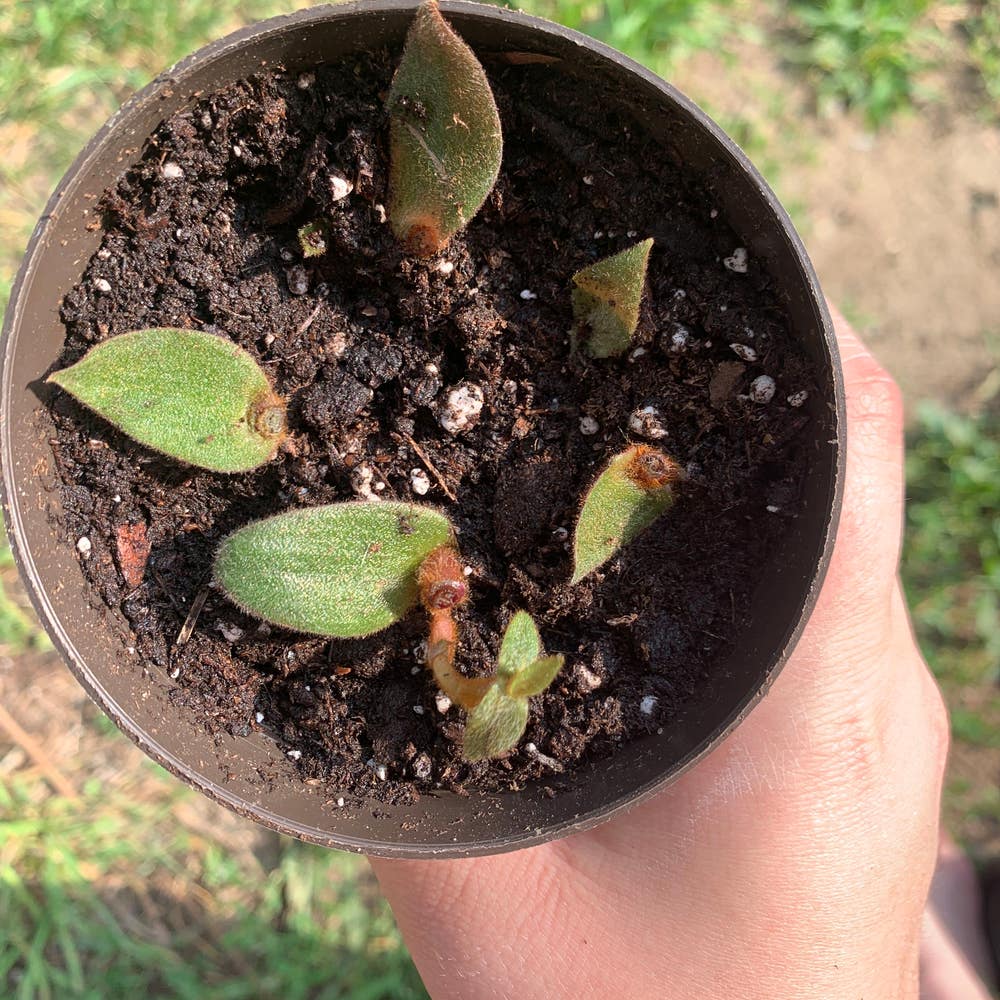
Propagation is an exciting way to expand your collection of furry kittens. You can choose between two primary methods: seed propagation and stem cuttings.
📋 Step-by-Step Instructions
🌱 Seed Propagation
- Soak Seeds: Start by soaking your seeds for 24 hours to kickstart the germination process.
- Planting: Next, plant the seeds in moist soil, covering them lightly.
- Humidity Maintenance: Keep the soil humid to encourage growth.
✂️ Stem Cuttings
- Cutting Preparation: Take 4-6 inch cuttings from a healthy plant.
- Leaf Removal: Remove the lower leaves to prevent rot.
- Rooting Hormone: Dip the cut end in rooting hormone to promote root development.
- Planting: Place the cuttings in moist potting mix and watch them thrive.
With these methods, you can easily propagate furry kittens and enjoy the process of nurturing new plants. Whether you opt for seeds or cuttings, both techniques offer a rewarding experience that enhances your gardening journey.
Ready to dive deeper into the lifecycle of furry kittens? Let's explore the stages of growth next!
Lifecycle
🐾 Overview
Furry Kittens are typically classified as annuals, meaning they complete their life cycle in one growing season. Their lifecycle includes several key stages: germination, seedling, vegetative growth, flowering, and seed production.
🌱 Germination and Seedling Stage
Germination takes about 7-14 days under the right conditions. For optimal growth, seedlings thrive in warmth and moisture, creating a nurturing environment for their early development.
⏳ Growth Timeline
From seed to maturity, Furry Kittens take approximately 3-4 months. This timeline allows for a vibrant display of growth, culminating in beautiful blooms and seed production.
As you nurture these plants through their lifecycle, you'll witness the transformation from tiny seeds to flourishing beauties, making the wait worthwhile. Next, let’s explore how to size up your Furry Kittens and what to expect in terms of their dimensions.
Roots
Characteristics 🐾
Furry Kittens have a fibrous root system that is both shallow and extensive. This allows them to absorb nutrients effectively while spreading out to stabilize the plant.
Common Issues ⚠️
One of the most common problems is root rot, which manifests as yellowing leaves and mushy roots. To prevent this, ensure your plant has well-draining soil and avoid overwatering.
Identifying Healthy vs. Unhealthy Roots 🔍
Healthy roots are firm, white, and spread out evenly in the soil. In contrast, unhealthy roots appear dark, mushy, and may emit a foul smell.
Understanding Rootbound Plants 🌱
Rootbound plants have roots that circle the pot, indicating they have outgrown their space. If you notice this, it's time to repot when the roots fill the container to give them room to grow.
This understanding of roots is crucial for maintaining the health of your Furry Kittens. Next, let’s explore the benefits these delightful plants bring to your home and garden.
Benefits
Top 5 Benefits 🌟
Aesthetic Appeal
Furry Kittens are a stunning addition to any garden or home. Their unique foliage and vibrant colors can instantly elevate your space.
Air Purification
These plants are not just pretty; they also help improve indoor air quality. By filtering out toxins, they create a healthier living environment.
Easy Care
One of the best things about Furry Kittens is their low maintenance requirements. They thrive with minimal effort, making them perfect for busy plant lovers.
Attracts Pollinators
Furry Kittens play a vital role in local ecosystems by attracting pollinators. Bees and butterflies love them, which helps support biodiversity.
Versatile Use
Whether you prefer container gardening or traditional garden beds, Furry Kittens fit right in. Their adaptability makes them suitable for various settings and styles.
These benefits make Furry Kittens not only a beautiful choice but also a practical one. With their ease of care and positive environmental impact, they are a fantastic addition to any plant collection.
As we explore further, let’s look at the concept of companion planting and how it can enhance your gardening experience.
Companion Plants
🌱 Concept of Companion Planting
Companion planting is a gardening technique that pairs plants together for mutual benefit. This practice enhances growth, improves pest management, and boosts garden diversity.
🌼 Best Companion Plants
Some of the best companions for Furry Kittens include:
- Marigolds: These vibrant flowers deter pests and attract beneficial insects.
- Basil: Not only does it thrive in similar conditions, but it also repels harmful insects.
- Nasturtiums: These plants attract aphids away from your Furry Kittens, acting as a natural trap.
These plants share similar care needs and can create a thriving ecosystem in your garden.
🚫 Plants to Avoid
While some plants work well together, others can hinder growth. Avoid planting Furry Kittens alongside:
- Nightshades: These heavy feeders compete for nutrients and can stunt growth.
- Other heavy feeders: They can deplete the soil of essential nutrients needed for Furry Kittens to flourish.
Choosing the right companions is crucial for a healthy garden. By understanding these relationships, you can create a vibrant and productive growing environment.
As you plan your garden, consider how companion planting can enhance your Furry Kittens' growth and overall health. Next, let’s explore the potential toxicity of Furry Kittens to pets and humans.
Toxicity to Humans
🛡️ Safety Overview
Furry Kittens are generally safe for humans. They are not listed as toxic by major poison control centers, making them a worry-free addition to your home or garden.
⚠️ Minor Issues
While they are safe, some individuals may experience mild skin irritation or digestive discomfort if they consume excessive amounts. It's always best to enjoy these plants in moderation.
📋 Recommendations
As with any plant, exercise caution. If you notice any unusual symptoms after handling or consuming Furry Kittens, seek medical advice promptly. Staying informed helps ensure a safe and enjoyable experience with your plants.
With this knowledge, you can appreciate the beauty of Furry Kittens without unnecessary concern. Next, let's explore their safety around our furry friends—dogs!
Toxicity to Dogs
Safety Overview 🐶
Furry Kittens are generally safe for dogs, as they are not listed as toxic by major pet poison control centers. However, while they pose minimal risk, excessive consumption could lead to minor issues.
Tips for Introduction 🐾
To ensure a safe environment, place Furry Kittens out of reach of curious dogs. It's also wise to monitor your dog's behavior around the plant, watching for any unusual interest or nibbling.
Conclusion 🌼
By taking these precautions, you can enjoy the beauty of Furry Kittens without worrying about your furry friends. Next, let’s explore how these plants interact with our feline companions.
Toxicity to Cats
🛡️ Safety Overview
Furry Kittens are generally safe for cats. Major pet poison control centers do not list them as toxic, meaning your feline friends can coexist with these plants without major concerns.
However, it's important to note that minor issues may arise if a cat consumes excessive amounts. This could lead to mild digestive discomfort, so moderation is key.
🐾 Tips for Introduction
When introducing Furry Kittens into your home, proper placement is crucial. Position these plants in areas where your cats cannot easily access them to prevent any unwanted nibbling.
Additionally, keep an eye on your cats' behavior around the plants. Watch for any signs of interest, such as sniffing or pawing, and be ready to intervene if necessary.
By taking these precautions, you can enjoy the beauty of Furry Kittens while ensuring your cats remain safe and healthy.
Problems
Common Issues 🐾
Growing Furry Kittens can be a rewarding experience, but it’s essential to be aware of potential problems that may arise. Here’s a breakdown of the most common issues you might encounter.
Incorrect Watering 💧
Watering is crucial for plant health. Overwatering often leads to yellowing leaves, while underwatering results in wilted foliage.
Incorrect Light Conditions ☀️
Light plays a significant role in growth. If your plants exhibit leggy growth, they may not be getting enough light, whereas leaf scorch indicates too much direct sunlight.
Diseases 🦠
Fungal diseases can wreak havoc on your plants. Watch out for powdery mildew and blight, which can spread quickly if not addressed.
Root Problems 🌱
Healthy roots are vital for overall plant vitality. Root rot, characterized by mushy roots, is a common issue that arises from excessive moisture.
Leaf Issues 🍃
Leaf health is a direct reflection of your plant's condition. Yellowing leaves, fuzzy growth, and scorching can signal underlying problems that need immediate attention.
Conclusion 📝
By staying vigilant and addressing these common issues, you can ensure your Furry Kittens thrive. Next, let’s explore the various bugs that may pose a threat to your plants.
Bugs
🐛 Potential Pest Issues
Furry Kittens are generally known for their pest resistance, but that doesn’t mean they’re invincible. Occasionally, they can still face challenges from a few common pests.
🔍 Identifying Pests
The most frequent culprits include spider mites, aphids, mealybugs, and whiteflies. Look out for signs of infestation such as discoloration of leaves, webbing, or sticky residue on the plant.
🧪 Treatment Options
When it comes to treatment, you have both organic and chemical control methods at your disposal. Options like neem oil and insecticidal soap are effective, and introducing beneficial insects can also help keep pests at bay.
👀 Staying Vigilant
Regularly inspect your plants to catch any issues early. A little attention can go a long way in maintaining the health of your Furry Kittens.
📜 Conclusion
By understanding potential pest issues and knowing how to identify and treat them, you can ensure your Furry Kittens thrive. Next, let’s explore what animals might be interested in munching on your plants.
What Eats Furry Kittens
🦌 Common Animals
Furry kittens, while adorable, can attract a variety of hungry critters. Common culprits include deer, rabbits, squirrels, and rodents, all of which may find your plants a tasty treat.
👀 Signs of Damage
Keep an eye out for signs of these furry intruders. Chewed leaves, tracks, or droppings near your plants can indicate that your furry kittens are being snacked on.
🚫 Deterrent Methods
To protect your plants, consider implementing some deterrent methods.
Fencing
A sturdy fence can be an effective barrier against larger animals like deer and rabbits.
Repellents
Using chemical or organic repellents can help keep pests at bay. Look for options that are safe for your garden.
Companion Planting
Incorporating companion plants can also deter unwanted visitors. Certain plants naturally repel pests, creating a more secure environment for your furry kittens.
By being proactive and observant, you can enjoy the beauty of your furry kittens without the worry of them becoming a meal for local wildlife. Next, let’s explore how to propagate these delightful plants for even more enjoyment!
⚠️ Safety First
This content is for general information and may contain errors, omissions, or outdated details. It is not medical, veterinary advice, or an endorsement of therapeutic claims.
Always consult a qualified healthcare professional before using any plant as food, medicine, or supplement.
Never eat any plant (or feed one to pets) without confirming its identity with at least two trusted sources.
If you suspect poisoning, call Poison Control (800) 222-1222, the Pet Poison Helpline (800) 213-6680, or your local emergency service immediately.
Spotted an error? Please report it here.
Unlock the secret to thriving Furry Kittens 🌼 with Greg's tailored care reminders and expert tips, ensuring your plants flourish while you enjoy a vibrant, biodiverse garden!