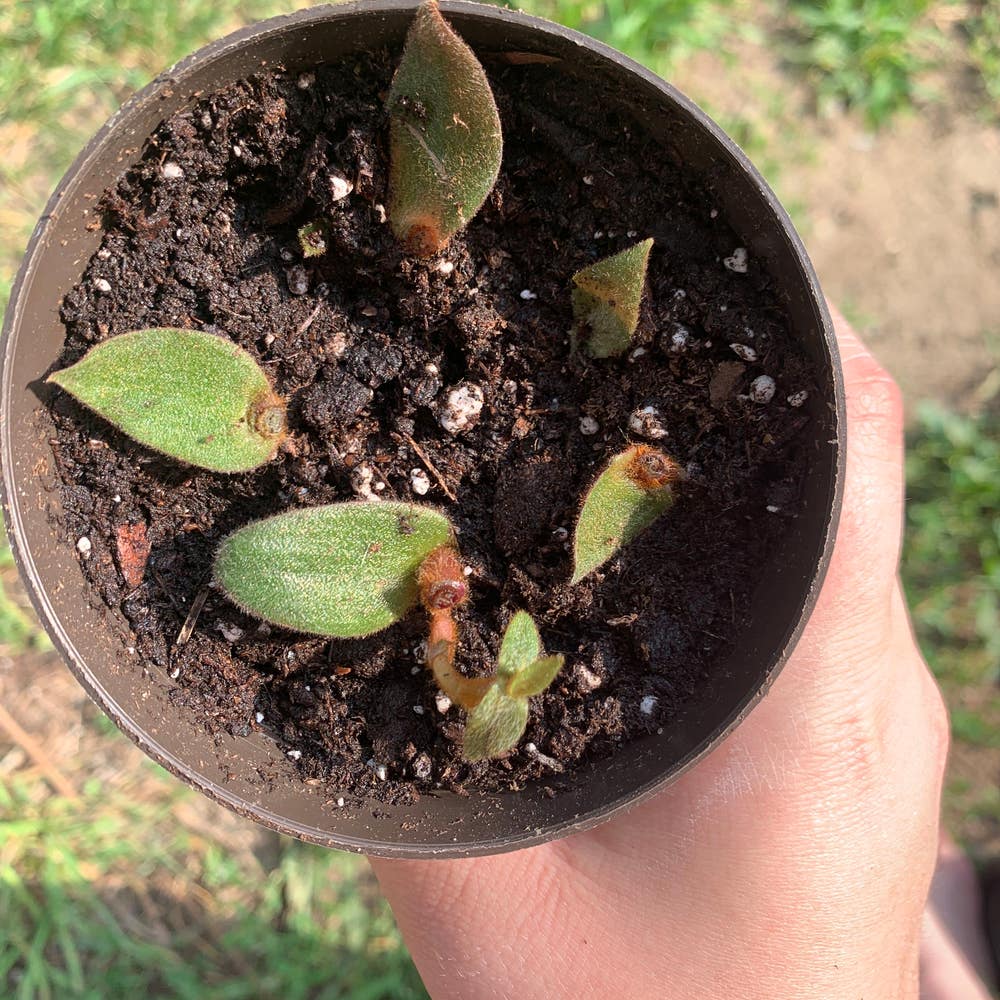
Ultimate Guide to Fixing Brown Spots on Kitten Ear Plant 🐱
Cyanotis somaliensis
By the Greg Editorial Team
Oct 19, 2024•5 min read
This article was created with the help of AI so we can cover more plants for you. May contain errors. See one? Report it here.
Revive your Kitten Ear Plant 🌱 with essential care tips to prevent brown spots and ensure vibrant growth!
- 💧 Proper watering and drainage are crucial to prevent brown spots on your Kitten Ear Plant.
- 🌞 Indirect light is ideal; avoid direct sunlight to protect your plant's leaves.
- 🐛 Regular pest inspections help catch issues early, ensuring your plant stays healthy.
Diagnosing the Problem
Assessing Watering Habits 🌊
Understanding your watering habits is crucial for your Kitten Ear Plant's health. Ask yourself: how often are you watering?
Soil moisture levels are equally important. Use a moisture meter or your finger to check if the soil is too dry or overly saturated.
Checking Soil Drainage 🕳️
Next, examine the type of soil you're using. A well-draining mix is essential to prevent root rot.
Also, check the pot for drainage holes. Excess water accumulation can lead to serious issues for your plant.
Evaluating Light Conditions ☀️
Light exposure plays a significant role in your plant's well-being. Is your Kitten Ear Plant basking in direct sunlight or enjoying some indirect light?
Consider the duration of light exposure as well. How many hours of light does your plant receive daily? This can greatly affect its growth.
Inspecting for Pests 🐜
A visual inspection is vital. Look closely at the leaves and stems for any signs of pests.
Don't forget to check for sticky residue, which could indicate honeydew from pests. This is a telltale sign that your plant may need some pest control.
Analyzing Humidity Levels 💧
Humidity levels are another key factor. The ideal range for a Kitten Ear Plant is between 50-70%.
To measure humidity accurately, use a hygrometer. This will help you maintain the right environment for your plant's health.
By diagnosing these issues, you can take the necessary steps to ensure your Kitten Ear Plant thrives. Next, we'll explore effective treatments for those pesky brown spots.
Treating Brown Spots
🌧️ Step-by-Step Treatment for Overwatering
Overwatering is a common culprit behind brown spots on your Kitten Ear Plant. Start by assessing the soil moisture using a moisture meter.
Next, gently remove the plant from its pot to inspect the roots for any signs of rot. If you find mushy sections, trim them away carefully.
Once you've dealt with the affected roots, repot the plant in fresh, well-draining soil. This ensures that excess water can escape, preventing future issues.
Finally, adjust your watering schedule. Allow the soil to dry out between waterings to maintain a healthy balance.
💧 Step-by-Step Treatment for Underwatering
Underwatering can also lead to brown spots, so it's essential to check soil moisture regularly. Use a moisture meter or your finger to test the top inch of soil.
If it feels dry, water the plant thoroughly, ensuring that water drains from the bottom. Keep a close eye on your plant and adjust your watering frequency based on its needs.
🥦 Addressing Nutrient Deficiencies
Nutrient deficiencies can manifest as brown spots, so identifying the type is crucial. A balanced fertilizer can help restore nutrients.
Follow the package instructions for dosage and frequency to ensure your plant receives the right amount of nutrients without overdoing it.
🐞 Pest Control Methods
Pests can wreak havoc on your Kitten Ear Plant, leading to unsightly brown spots. Start with manual removal by wiping the leaves with a damp cloth to eliminate any visible pests.
For more stubborn infestations, consider using insecticidal soap, applying it as directed on affected areas. Neem oil is another effective option, serving as both a preventative measure and treatment.
🌱 Adjusting Environmental Conditions
Environmental factors play a significant role in your plant's health. If your Kitten Ear Plant is in direct sunlight, consider moving it to a location with indirect light.
Humidity is also vital; using a humidifier or a pebble tray can help increase moisture levels. Lastly, maintain a stable temperature between 18-24°C (65-75°F) for optimal growth.
With these steps, you can effectively treat brown spots and ensure your Kitten Ear Plant thrives. Next, let’s explore how to prevent future issues and keep your plant healthy long-term.
Preventing Future Issues
Best Watering Practices 🌊
Establishing a consistent watering schedule is crucial for your Kitten Ear Plant. Water it when the top inch of soil feels dry to the touch.
Using room temperature water can help avoid shocking the plant. This simple adjustment can make a significant difference in its overall health.
Soil Recommendations 🌱
Choosing the right soil mix is essential for drainage and nutrient retention. A well-draining potting mix with perlite or sand works best for your Kitten Ear Plant.
Repotting every 1-2 years refreshes the soil and provides essential nutrients. This practice keeps your plant thriving and reduces the risk of brown spots.
Ideal Light Conditions ☀️
Placement matters when it comes to light exposure. Position your plant near a window with filtered light to prevent leaf burn.
Rotating the plant every few weeks ensures even growth. This simple step can help maintain a balanced appearance and health.
Regular Pest Inspections 🐜
Make it a habit to check your plants weekly for any signs of pests. Early detection can save your plant from significant damage.
If you notice any pests, apply preventative measures as needed. Staying proactive is key to keeping your Kitten Ear Plant healthy.
Humidity Control Tips 💧
Increasing humidity can greatly benefit your plant. Grouping plants together or using a humidity tray can create a more favorable environment.
Regularly monitor humidity levels with a hygrometer. This ensures your Kitten Ear Plant remains in its ideal humidity range.
By following these preventive measures, you can keep your Kitten Ear Plant healthy and vibrant. Next, let’s explore how to treat brown spots effectively if they do occur.
⚠️ Safety First
This content is for general information and may contain errors, omissions, or outdated details. It is not medical, veterinary advice, or an endorsement of therapeutic claims.
Always consult a qualified healthcare professional before using any plant as food, medicine, or supplement.
Never eat any plant (or feed one to pets) without confirming its identity with at least two trusted sources.
If you suspect poisoning, call Poison Control (800) 222-1222, the Pet Poison Helpline (800) 213-6680, or your local emergency service immediately.
Spotted an error? Please report it here.
Transform your Kitten Ear Plant into a vibrant beauty 🌿 by using Greg's tailored watering reminders and moisture checks to keep those pesky brown spots at bay!