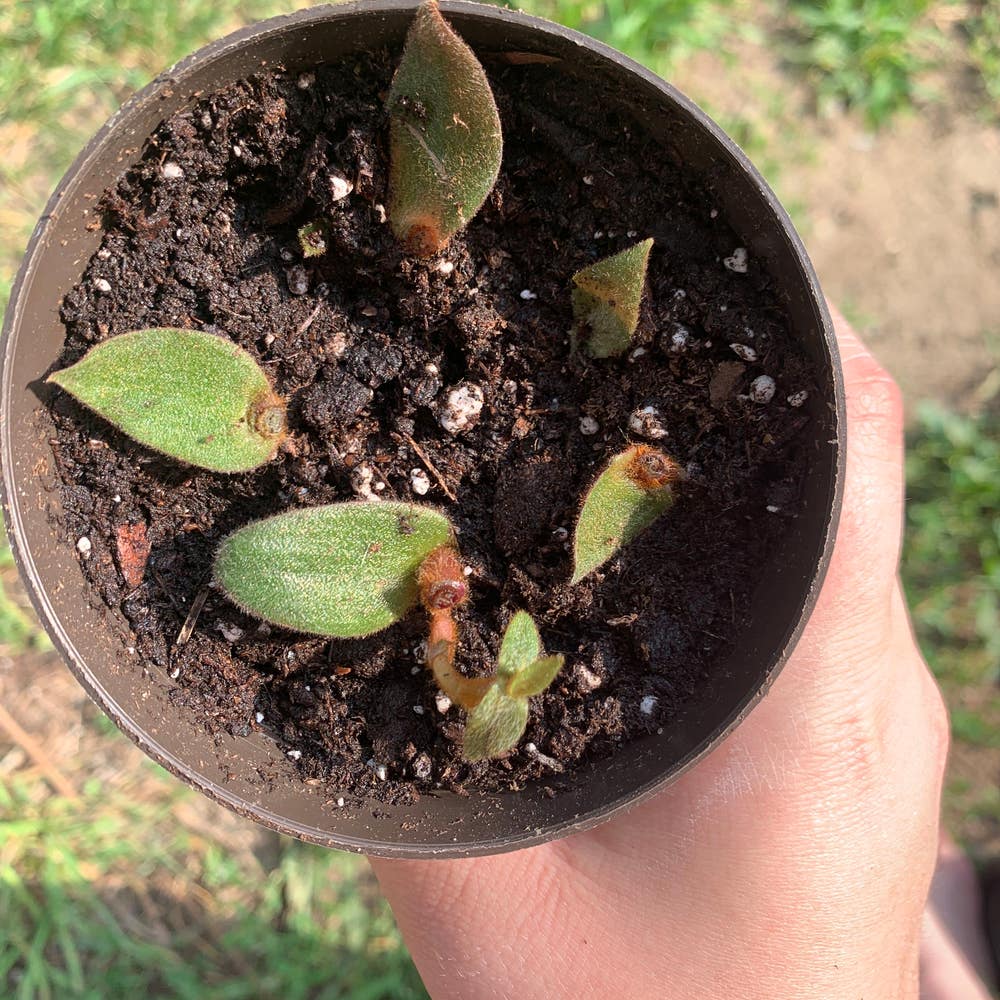
3 Outdoor Care Tips for Kitten Ear Plant 🐱
Cyanotis somaliensis
By the Greg Editorial Team
Oct 19, 2024•7 min read
This article was created with the help of AI so we can cover more plants for you. May contain errors. See one? Report it here.
Transform your Kitten Ear Plant into a vibrant beauty with essential sunlight and care tips! 🌞🌱
- ☀️ Kitten Ear Plant needs 6-8 hours of sunlight for optimal growth.
- 💧 Water every 1-2 weeks, adjusting for seasonal changes to prevent wilting or yellowing.
- 🌱 Use well-draining soil and fertilize every 4-6 weeks for healthy growth.
Sunlight Requirements
Ideal Sunlight Exposure 🌞
For your Kitten Ear Plant to thrive, it needs full sun—aim for 6-8 hours of direct sunlight daily. In extremely hot climates, it can tolerate some afternoon shade, which helps prevent stress.
Effects of Insufficient Sunlight 🌑
When your plant doesn’t get enough sunlight, you’ll notice stunted growth and a leggy appearance. Additionally, the leaves may lose their fuzziness and overall vigor, making the plant look less vibrant.
Adjusting Sunlight Exposure 🌤️
To optimize sunlight exposure, consider using shade cloths or planting your Kitten Ear Plant near taller plants for afternoon protection. This strategy can help maintain its health during the hottest parts of the day.
Understanding sunlight requirements is crucial for your plant's success. Next, let’s explore its watering needs to keep it hydrated and happy.
Watering Needs and Frequency
💧 General Watering Guidelines
Water your Kitten Ear Plant once every 1-2 weeks. Ensure the soil dries out between waterings to prevent root issues.
Signs of underwatering include wilting leaves and dry soil. Conversely, yellowing leaves and root rot indicate overwatering.
🌦️ Seasonal Adjustments
During hot summer months, increase your watering frequency to keep the plant hydrated. In cooler months or rainy seasons, reduce watering to avoid excess moisture.
By adjusting your watering routine, you can help your Kitten Ear Plant thrive throughout the year. This simple practice ensures your plant remains healthy and vibrant, ready to face any season.
Soil Preferences and Amendments
Ideal Soil Composition 🌱
For your Kitten Ear Plant to thrive, it needs well-draining soil. A sandy loam or a potting mix enriched with perlite works wonders.
The ideal soil pH should range from slightly acidic to neutral, specifically between 6.0 to 7.0. This balance ensures optimal nutrient availability for your plant.
Soil Amendments 🧑🌾
To boost soil fertility and drainage, consider adding organic matter like compost or aged manure. These amendments enrich the soil, providing essential nutrients.
Mulching is another effective strategy. It helps retain moisture and regulates soil temperature, creating a stable environment for your plant's roots.
With the right soil composition and amendments, your Kitten Ear Plant will flourish. Next, let’s explore the best fertilization practices to keep it healthy and vibrant.
Fertilization Schedule and Types
🌱 Recommended Fertilization Practices
To keep your Kitten Ear Plant thriving, fertilize every 4-6 weeks during the growing season, which spans spring and summer. Opt for a balanced NPK fertilizer, like a 10-10-10, or consider slow-release options for convenience.
⚠️ Signs of Nutrient Deficiency
Watch for yellowing leaves, a clear sign of nitrogen deficiency. If your plant shows poor growth, it may be lacking essential nutrients, signaling the need for a nutrient boost.
By staying attentive to your plant's needs, you can ensure it flourishes beautifully. Next, let’s explore the best planting options for your Kitten Ear Plant.
Planting Options
🌱 Benefits of Container Planting
Container planting offers remarkable mobility. You can easily relocate your kitten ear plant based on sunlight and weather conditions, ensuring it thrives year-round.
Additionally, you have control over soil quality and drainage. This flexibility allows you to create the perfect environment for your plant, tailored to its specific needs.
🚧 Drawbacks of Container Planting
However, container planting comes with limited root space. This restriction can hinder growth, especially for a plant that thrives with ample room to spread its roots.
Moreover, containers tend to dry out faster, leading to increased watering needs. You'll need to stay vigilant to prevent underwatering, which can stress your plant.
🌳 Benefits of Planting in the Ground
On the other hand, planting in the ground provides more space for root expansion. This promotes healthier growth, allowing your kitten ear plant to reach its full potential.
Ground planting also offers better moisture retention. The soil can hold water more effectively, reducing the frequency of watering and helping your plant stay hydrated.
⚠️ Drawbacks of Planting in the Ground
Yet, planting in the ground has its downsides. You have less control over soil quality, which may require amendments to ensure optimal conditions for your plant.
Additionally, ground plants are more vulnerable to pests and diseases. This exposure can lead to challenges that container plants might avoid, so keep an eye out for any signs of trouble.
Understanding these planting options can help you make the best choice for your kitten ear plant. Whether you opt for containers or ground planting, each method has its unique advantages and challenges.
Protection from Environmental Factors
🌧️ Weather Protection Strategies
Protecting your kitten ear plant from extreme weather is crucial for its health. For frost protection, consider covering your plants with frost cloth or bringing containers indoors during chilly nights.
In hot climates, providing shade is essential. Using shade cloths can help shield your plants from intense afternoon sun, preventing stress and damage.
🐛 Common Outdoor Pests and Prevention Methods
Outdoor pests can pose a significant threat to your kitten ear plant. Aphids are notorious for curling leaves; you can control them effectively with insecticidal soap.
Snails and slugs can also wreak havoc. To keep them at bay, use traps or sprinkle diatomaceous earth around your plants for an effective barrier.
🦠 Diseases and Treatment Options
Root rot is a common issue, often caused by overwatering. To combat this, improve drainage and adjust your watering schedule to allow the soil to dry out between waterings.
Leaf spot, a fungal disease, can be prevented by ensuring good air circulation around your plants. Avoid overhead watering to minimize moisture on the leaves, which can lead to disease.
By implementing these protective measures, you can help your kitten ear plant thrive in various environmental conditions. Next, let’s explore how seasonal changes impact your plant care routine.
Seasonal Care
Seasonal Changes and Their Impact 🌦️
Understanding seasonal changes is crucial for your Kitten Ear Plant's health. Temperature and light variations directly influence growth patterns, so staying aware of these shifts can help you provide optimal care.
Winter Care Tips ❄️
During winter, protecting your plant from frost is essential. Use mulch and coverings to insulate the soil and reduce watering frequency to prevent root rot.
Spring Growth and Fertilization Adjustments 🌱
As temperatures rise in spring, it's time to resume regular watering and fertilization. Keep an eye out for pests, as new growth can attract unwanted visitors.
Summer Watering and Shade Considerations ☀️
In the summer, increase your watering frequency to keep the plant hydrated. Consider providing afternoon shade to protect it from the intense heat.
Fall Preparation for Colder Months 🍂
As fall approaches, gradually reduce watering to prepare for colder months. This proactive approach helps your plant adjust and minimizes frost damage.
With these seasonal care tips, your Kitten Ear Plant will thrive year-round. Next, let’s explore how climate zone considerations can further enhance your plant care strategy.
Climate Zone Considerations
🌍 Identifying Suitable Climate Zones
The kitten ear plant thrives in USDA zones 9-11, making it perfect for warm climates. However, it’s sensitive to frost, so knowing your zone is crucial for its survival.
🌦️ Special Care Tips for Different Zones
In tropical regions, regular watering and fertilization are key to keeping your plant healthy. For temperate zones, focus on frost protection and adjust your care practices with the changing seasons.
🔄 Adapting Care Practices
Stay informed by monitoring local weather forecasts for extreme conditions. This proactive approach allows you to adjust your care routine, ensuring your kitten ear plant remains vibrant and thriving throughout the year.
As you navigate the unique climate challenges, remember that each season brings its own set of opportunities for growth and care.
⚠️ Safety First
This content is for general information and may contain errors, omissions, or outdated details. It is not medical, veterinary advice, or an endorsement of therapeutic claims.
Always consult a qualified healthcare professional before using any plant as food, medicine, or supplement.
Never eat any plant (or feed one to pets) without confirming its identity with at least two trusted sources.
If you suspect poisoning, call Poison Control (800) 222-1222, the Pet Poison Helpline (800) 213-6680, or your local emergency service immediately.
Spotted an error? Please report it here.
Keep your Kitten Ear Plant thriving in the sun 🌞 with Greg's tailored watering reminders and expert tips that ensure it flourishes all year round!