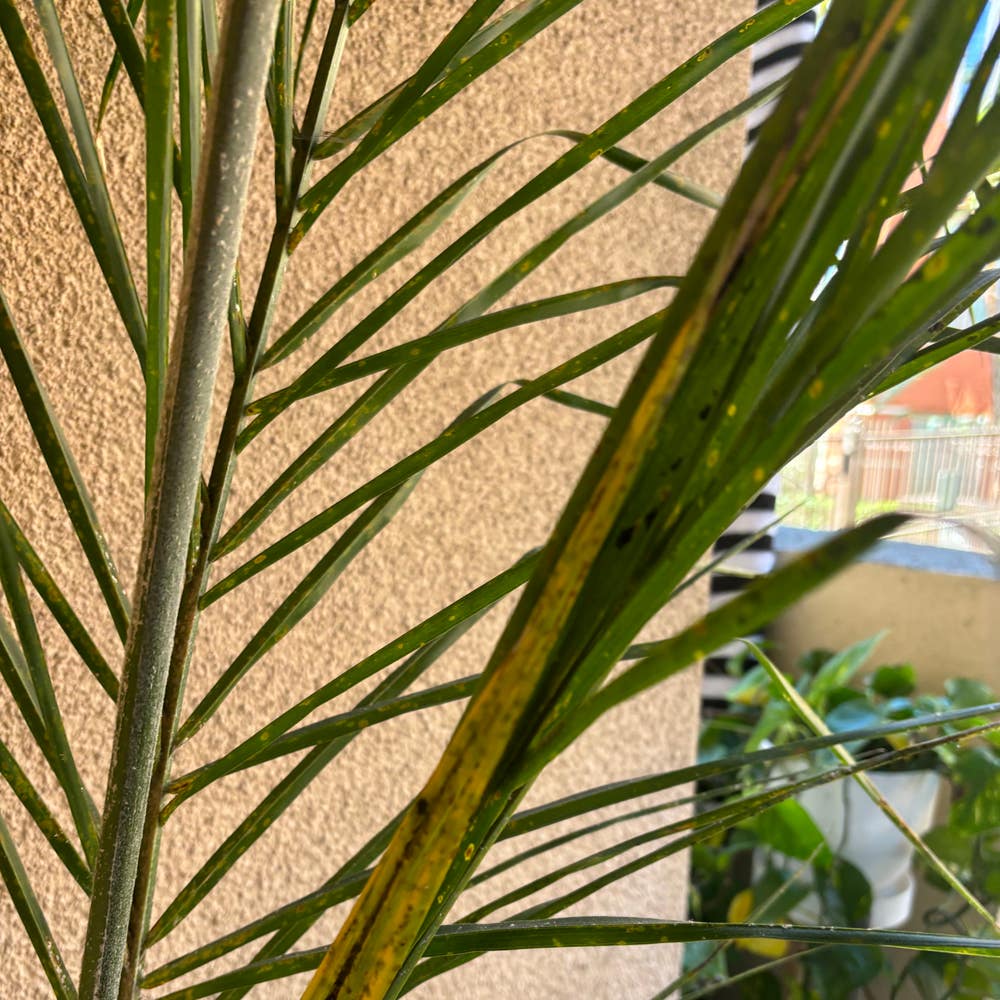
🌴 When to Plant: Cocos Palm
Syagrus comosa
By the Greg Editorial Team
Nov 23, 2024•5 min read
This article was created with the help of AI so we can cover more plants for you. May contain errors. See one? Report it here.
Unlock vibrant Cocos Palm growth 🌴 by mastering the perfect planting timing for your region's climate!
- 🌱 Plant Cocos Palm after last frost for optimal growth and health.
- 🌞 Ideal planting months vary by region; check local guidelines for best results.
- 🌡️ Soil temperature must be 70°F for germination; use a thermometer for accuracy.
Planting Timing for Cocos Palm
❄️ Frost Dates and Their Importance
Frost dates are critical markers in gardening, indicating the last and first frost occurrences in a region. Understanding these dates is essential for planting Cocos Palm, as they are particularly sensitive to cold temperatures.
To ensure healthy growth, it's best to plant Cocos Palm after the last frost date in spring. For instance, in Florida, the last frost date typically falls around mid-March, making it an ideal time to start planting.
🌡️ Soil Temperature Considerations
The ideal soil temperature for Cocos Palm is crucial for successful germination and growth. A minimum of 70°F (21°C) is necessary for germination, while an optimal temperature of 80°F (27°C) promotes robust growth.
To check soil temperature, using a soil thermometer is highly recommended. It's important to wait for consistent temperatures to ensure the soil is adequately warmed before planting.
🌞 Day Length and Growth Stages
Photoperiodism plays a significant role in the growth stages of Cocos Palm. Essentially, day length affects how well the plant grows, with longer days promoting vigorous growth.
For optimal results, aim to plant during the longer daylight months, specifically from spring to summer. This timing aligns with the natural growth cycle of the Cocos Palm, ensuring it thrives in its new environment.
With these timing considerations in mind, you're well on your way to successfully planting Cocos Palm. Next, let's explore regional planting considerations to tailor your approach based on your location.
Regional Planting Considerations
Ideal Planting Months 🌱
When it comes to planting Cocos Palm, timing is everything. Each region has its own ideal months for planting, ensuring that these tropical beauties thrive.
- Florida: The best time to plant is from April to June, when the risk of frost has passed and temperatures are warm.
- California: Aim for March to May, taking advantage of the mild spring weather.
- Texas: Similar to Florida, the ideal planting window is from April to June.
- New York: Late May to June is your go-to timeframe, as the temperatures begin to rise.
- Colorado: Here, June to July is optimal, allowing the soil to warm sufficiently.
- Ohio: Late May to June works best, ensuring that the frost risk is minimal.
Factors Influencing Timing ⏰
Several factors influence these planting months. Warm temperatures are crucial for Cocos Palm, as they thrive in heat. Additionally, minimizing frost risk is essential to protect young plants.
Local climate variations can also play a significant role. Understanding your specific microclimate can help you determine the best planting time for your area.
By aligning your planting schedule with these regional guidelines, you set your Cocos Palm up for optimal growth and success. Next, let’s explore effective seed starting techniques to give your palms a strong beginning.
Seed Starting Techniques
Indoor vs. Direct Sowing 🌱
Starting seeds indoors offers several advantages for growing Cocos Palm. It extends your growing season and provides protection from early frost, giving your plants a head start.
For the best results, aim to start your seeds indoors about 6-8 weeks before the last frost date. This timing allows your seedlings to establish before being transplanted outdoors.
Once the danger of frost has passed and the soil is warm, you can begin direct sowing. This method is ideal for those who prefer a more hands-off approach, allowing nature to take its course.
Soil Preparation Tips 🏗️
Proper soil preparation is crucial for successful seed starting. Use well-draining sandy soil to prevent waterlogging, which can harm young roots.
Incorporating moisture retention techniques, such as adding organic matter, can help maintain consistent soil moisture. This is especially important during the early growth stages of your Cocos Palm.
By understanding these seed starting techniques, you can ensure a healthy and vibrant growth for your Cocos Palm. Next, let’s explore the factors influencing your planting decisions, including climate and soil preparation.
Factors Influencing Planting Decisions
🌤️ Climate and Soil Preparation
Understanding your local climate is crucial when planting Cocos Palm. Microclimates can significantly affect growth, as areas within the same region may experience different temperatures and moisture levels.
Soil testing is another essential step. Check the pH and nutrient levels to ensure your soil is conducive to healthy growth. This knowledge allows you to make informed decisions about necessary amendments.
Preparing the soil properly sets the stage for success. Focus on improving drainage and moisture retention by adding organic matter or sand, which can help create an ideal environment for your Cocos Palm.
In summary, consider both climate data and soil conditions to optimize your planting strategy. These factors will help you make the best decisions for your Cocos Palm's growth and vitality.
Next, let's explore effective seed starting techniques to give your palms a strong beginning.
Comprehensive Planting Guide
🌱 Planting Calendar for All States
When it comes to planting Cocos Palm, timing is everything. Understanding the general timeline for planting across the U.S. can help ensure your palms thrive.
Specific Timing Recommendations
Here’s a quick look at the ideal planting months for various states:
- Florida: April to June
- California: March to May
- Texas: April to June
- New York: Late May to June
- Colorado: June to July
- Ohio: Late May to June
These months are chosen based on local climate conditions, ensuring minimal frost risk and optimal growth temperatures.
🌟 Key Factors for Successful Planting
To achieve the best results with your Cocos Palm, consider these essential factors:
- Frost Dates: Always plant after the last frost date to avoid damage.
- Soil Temperature: Aim for a minimum of 70°F (21°C) for germination and 80°F (27°C) for optimal growth.
- Day Length: Longer daylight hours in spring and summer promote vigorous growth.
Following these regional guidelines will set you up for success. By aligning your planting schedule with local conditions, you’ll give your Cocos Palm the best chance to flourish.
Next, let’s explore effective seed starting techniques to maximize your planting efforts.
⚠️ Safety First
This content is for general information and may contain errors, omissions, or outdated details. It is not medical, veterinary advice, or an endorsement of therapeutic claims.
Always consult a qualified healthcare professional before using any plant as food, medicine, or supplement.
Never eat any plant (or feed one to pets) without confirming its identity with at least two trusted sources.
If you suspect poisoning, call Poison Control (800) 222-1222, the Pet Poison Helpline (800) 213-6680, or your local emergency service immediately.
Spotted an error? Please report it here.
Get your Cocos Palm off to a thriving start 🌴 by using Greg's tailored reminders and soil temperature checks to plant at the perfect time for your region!