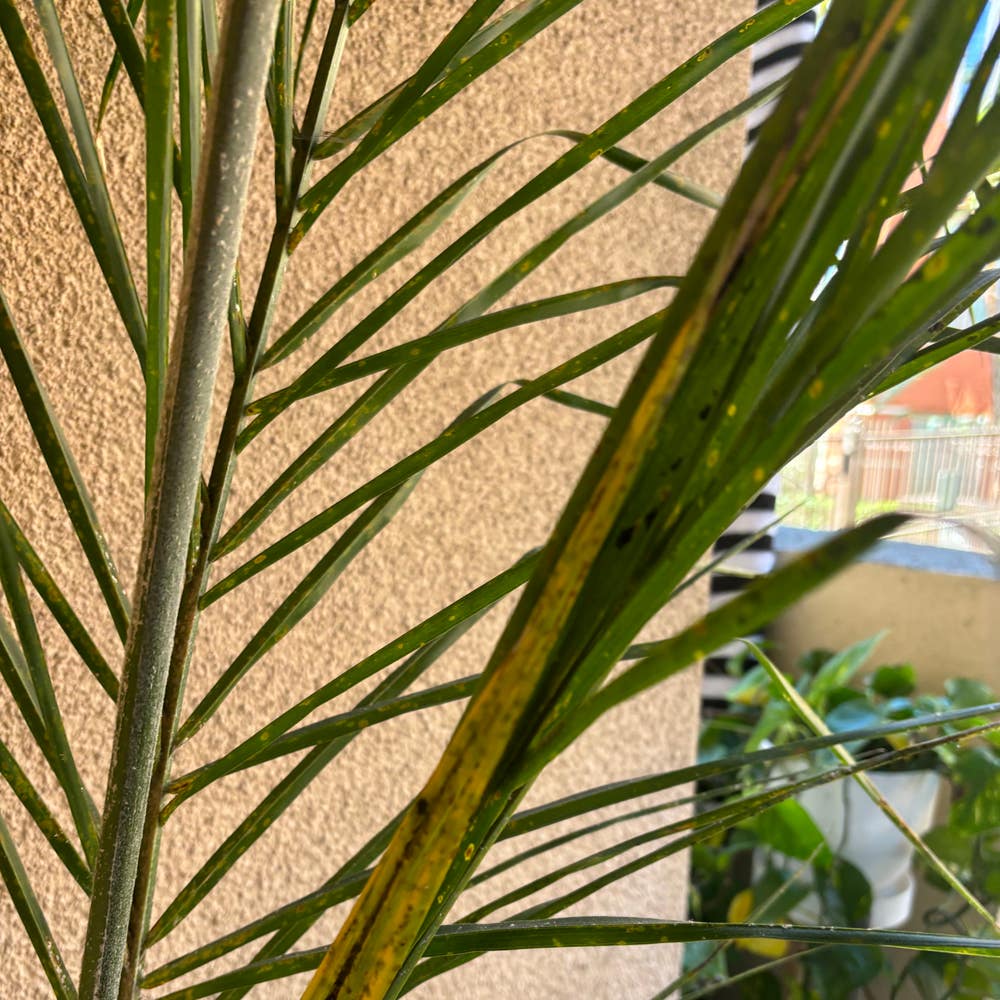
Cocos Palm Hardiness Zones Ultimate Guide: 9a-11b 🌴
Syagrus comosa
By the Greg Editorial Team
Nov 23, 2024•6 min read
This article was created with the help of AI so we can cover more plants for you. May contain errors. See one? Report it here.
Master the art of growing cocos palms 🌴 by understanding their temperature needs and ideal conditions for thriving! 🌞
- 🌴 Cocos palms thrive in zones 9a to 11b, ideal for warm climates.
- ❄️ Frost can damage cocos palms, so monitor local frost dates carefully.
- ☀️ Six hours of sunlight daily is essential for healthy cocos palm growth.
Temperature Tolerance
❄️ Cold Tolerance
Cocos palms exhibit a moderate cold tolerance, with specific temperature thresholds that are crucial for their survival. Generally, they can withstand temperatures down to 30°F (-1°C), but anything lower can lead to significant damage.
Frost poses a serious threat to their health and growth. Even a light frost can cause leaf burn and stunt growth, making it essential to monitor local frost conditions closely. Planting in areas prone to frost can lead to poor outcomes, so understanding your local climate is key.
☀️ Heat Tolerance
On the flip side, cocos palms thrive in warm environments. They flourish in temperatures ranging from 70°F to 90°F (21°C to 32°C), making them perfect for tropical and subtropical regions.
Ideal conditions for heat exposure include full sun and well-drained soil. These factors not only promote growth but also enhance the overall health of the plant.
🌡️ Optimal Growth Temperature Ranges
For successful cultivation, maintaining optimal growth temperature ranges is vital. Cocos palms prefer a minimum temperature of around 50°F (10°C) and can tolerate maximum temperatures up to 100°F (38°C).
Staying within these ranges ensures robust growth and vibrant foliage. Deviations can lead to stress, impacting the plant's overall vitality and productivity. Understanding these temperature dynamics is essential for any aspiring cocos palm grower.
With a solid grasp of temperature tolerance, you're well on your way to creating the perfect environment for your cocos palms. Next, let’s explore the ideal growing regions where these palms can truly thrive.
Ideal Growing Regions
Suitable US States (9a-11b) 🌴
Cocos palms thrive in hardiness zones 9a to 11b, making several states ideal for their growth. Here’s a quick list of states where you can successfully cultivate these tropical beauties:
- Florida: With its warm climate and ample sunshine, Florida is a paradise for cocos palms.
- California: Coastal areas, particularly in Southern California, provide the perfect environment.
- Texas: The southern regions, especially near the coast, offer suitable conditions.
- Hawaii: Naturally, Hawaii's tropical climate is ideal for these palms.
- Louisiana: The humid subtropical climate supports healthy growth.
These states not only have the right temperatures but also the necessary humidity and sunlight for optimal growth.
Contributing Factors to Ideal Conditions 🌱
To ensure your cocos palms flourish, pay attention to a few key environmental factors.
Soil Requirements
Cocos palms prefer well-drained sandy soils. This type of soil prevents waterlogging, which can lead to root rot.
Sunlight Exposure
These palms thrive in full sun. Aim for at least six hours of direct sunlight daily to promote healthy growth and vibrant foliage.
Humidity Levels
Humidity plays a crucial role in the health of tropical plants. Cocos palms flourish in humid environments, so consider planting them in areas with higher moisture levels.
By understanding these contributing factors, you can create the perfect environment for your cocos palms to thrive.
As you explore the ideal growing regions, keep in mind how microclimates can further enhance your cultivation efforts.
Microclimates
🌱 Extending Growing Range
Microclimates are localized areas that can significantly differ from the surrounding climate. They create favorable conditions for Cocos palms, allowing them to thrive even outside their typical hardiness zones.
These unique environments can arise from various features. Coastal areas benefit from moderated temperatures due to ocean breezes, while sheltered locations, such as valleys or areas surrounded by hills, can provide protection from harsh winds and frost.
🌴 Beneficial Microclimates
Several specific examples in the U.S. illustrate how microclimates support Cocos palm cultivation. For instance, parts of Southern California and Florida have microclimates that offer ideal conditions for these tropical plants.
In these regions, the combination of warmth, humidity, and protection from frost allows Cocos palms to flourish. Understanding these microclimates can help gardeners select the best planting spots, ensuring their palms thrive despite broader climatic challenges.
As we explore the next section, we’ll delve into state-level suitability analysis, identifying where Cocos palms can truly thrive.
State-Level Suitability Analysis
🌴 Suitable States (9a-11b)
Cocos palms thrive in USDA hardiness zones 9a to 11b, making them well-suited for several states. Here’s a quick rundown of the best states for growing these tropical beauties:
- Florida: With its warm, humid climate, Florida is a paradise for Cocos palms. The coastal areas provide ideal conditions for growth.
- California: Southern California, particularly regions near the coast, offers the perfect blend of warmth and sunlight.
- Texas: The southern parts of Texas, especially near the Gulf Coast, create a favorable environment for these palms.
- Hawaii: Naturally, Hawaii's tropical climate is perfect for Cocos palms, allowing them to flourish year-round.
- Louisiana: The humid subtropical climate supports healthy growth, especially in the southern regions.
These states provide the warmth and humidity that Cocos palms crave, ensuring they can reach their full potential.
🚫 Unsuitable States and Reasons
While Cocos palms love warmth, many states simply don’t offer the right conditions. Here are some states where these palms struggle to survive:
- North Dakota: The harsh winters and extreme cold make it impossible for Cocos palms to thrive.
- Montana: Similar to North Dakota, Montana experiences severe winter temperatures that can damage or kill these plants.
- Maine: The cold climate and frost events are detrimental to the health of Cocos palms.
- Idaho: While some areas may be warm in summer, the cold winters are too much for these tropical plants.
In these states, the combination of cold winters and frost events creates an inhospitable environment for Cocos palms.
❄️ Frost Dates Impact
Understanding frost dates is crucial for successful Cocos palm cultivation. The first and last frost dates vary by region and can significantly impact planting decisions.
- First Frost Date: This is the date when temperatures drop low enough to cause frost. Knowing this helps gardeners avoid planting too early.
- Last Frost Date: This date marks when the risk of frost has passed, allowing for safe planting.
By being aware of these dates, you can time your planting perfectly, ensuring your Cocos palms have the best chance to thrive. This knowledge is essential for maximizing growth and health in your tropical garden.
As we explore the next section, let’s dive into the fascinating world of microclimates and how they can extend the growing range for Cocos palms.
⚠️ Safety First
This content is for general information and may contain errors, omissions, or outdated details. It is not medical, veterinary advice, or an endorsement of therapeutic claims.
Always consult a qualified healthcare professional before using any plant as food, medicine, or supplement.
Never eat any plant (or feed one to pets) without confirming its identity with at least two trusted sources.
If you suspect poisoning, call Poison Control (800) 222-1222, the Pet Poison Helpline (800) 213-6680, or your local emergency service immediately.
Spotted an error? Please report it here.
Cultivating cocos palms successfully hinges on understanding their unique needs, and with Greg's tailored reminders and care tips, you can ensure your palms thrive in the ideal conditions 🌴 they crave!