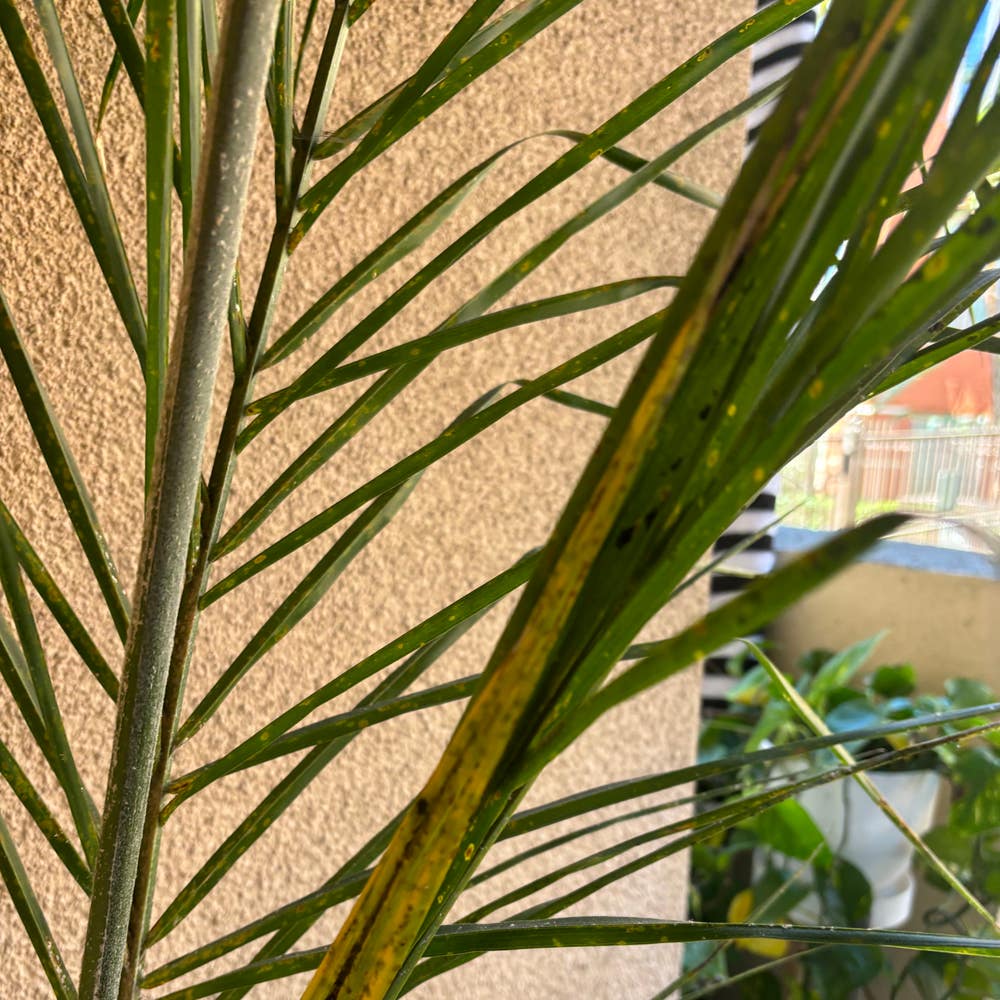
🌴 How to Grow Cocos Palm Outdoors
Syagrus comosa
By the Greg Editorial Team
Nov 23, 2024•5 min read
This article was created with the help of AI so we can cover more plants for you. May contain errors. See one? Report it here.
Cultivate a tropical oasis 🌴 in your garden with essential care tips for thriving cocos palms!
- 🌞 Cocos palms need 6-8 hours of sunlight daily for optimal growth and coconut yield.
- 💧 Water weekly during dry spells; avoid overwatering to prevent yellow leaves and root rot.
- 🌱 Use well-draining soil with pH 5.0-8.0 for healthy cocos palm growth.
Cocos Palm Specific Care
🌞 Sunlight Requirements
Cocos palms thrive in full sun, requiring 6 to 8 hours of direct sunlight daily. This exposure is crucial for promoting healthy growth and maximizing coconut production.
Insufficient light can lead to stunted growth and yellowing fronds. If you notice these signs, it may be time to reassess your palm's location.
💧 Watering Needs and Frequency
Water your cocos palm weekly during dry periods and bi-weekly when it rains. Consistent moisture is key to preventing stress and ensuring robust growth.
Be mindful of overwatering, which can cause yellowing leaves and root rot. Conversely, underwatering may result in wilting and browning leaf tips.
🌱 Soil Preferences and Fertilization
Cocos palms prefer well-draining sandy or loamy soil with a pH between 5.0 and 8.0. To enhance drainage and nutrient content, consider adding organic matter to your soil.
Fertilize every 6 to 8 weeks during the growing season with a balanced NPK fertilizer, such as 10-10-10, or use slow-release granules. This will help your palm thrive and produce those coveted coconuts.
With proper sunlight, watering, and soil care, your cocos palm will flourish. Next, let’s explore the best planting options for your palm, whether in the ground or in a container.
Planting Options
Ground vs. Container Planting 🌱
When deciding where to plant your cocos palm, consider the benefits of each method. Planting in the ground offers enhanced growth potential, as the roots have more space to spread and access natural water retention.
In contrast, container planting provides mobility and a controlled environment. This option is ideal for those with limited space or who want to move their palms indoors during colder months.
However, each method comes with its drawbacks. Ground planting can be limited by soil conditions and local climate, while container planting requires regular maintenance, such as monitoring soil moisture and ensuring proper drainage.
Ultimately, your choice will depend on your gardening goals and available space. Whether you opt for the stability of ground planting or the flexibility of containers, both methods can lead to thriving cocos palms with the right care.
As you consider your options, think about how each method aligns with your lifestyle and gardening ambitions. This will set the stage for a successful cocos palm journey.
Protection from Environmental Factors
🌬️ Weather Protection Strategies
Cocos palms thrive best when shielded from harsh environmental conditions. Implementing windbreaks, such as planting near structures or using fencing, can significantly reduce wind exposure and protect your palms from damage.
During cold snaps, frost protection is crucial. Cover your palms with frost cloth to insulate them from freezing temperatures, ensuring they remain healthy through winter.
Mulching is another effective strategy. Applying organic mulch around the base of your palms helps retain soil moisture and regulates temperature, creating a more stable environment for growth.
🐛 Outdoor Pests and Diseases
Keeping an eye out for common pests is essential for maintaining healthy cocos palms. Watch for aphids, spider mites, and scale insects, which can wreak havoc on your plants.
Signs of infestation include yellowing leaves, sticky residue, and webbing. If you notice these symptoms, it's time to act.
Management strategies include using neem oil or insecticidal soap to eliminate pests. Introducing beneficial insects can also help keep populations in check.
Common diseases to be aware of include root rot, leaf spot, and bud rot. Prevention is key, so focus on proper watering techniques, maintaining good air circulation, and selecting disease-resistant varieties.
By taking these protective measures, you can ensure your cocos palms thrive in their outdoor environment. Next, let's explore how to adjust your care routines throughout the seasons for optimal growth.
Seasonal Care
Adjusting Care Routines 🌱
Understanding the seasonal growth patterns of the Cocos palm is crucial for its health. During warm months, the palm thrives and actively grows, while in colder months, it enters a state of dormancy.
Winter Care ❄️
In winter, protecting your Cocos palm from frost is essential. Covering it with frost cloth during cold snaps can help, and it's also wise to reduce watering frequency to prevent root rot.
Summer Care ☀️
As temperatures rise, your palm will need more attention. Increase watering and fertilization to support optimal growth, ensuring your Cocos palm flourishes during the vibrant summer months.
By adjusting your care routines according to the seasons, you can help your Cocos palm reach its full potential. Next, let’s explore how climate zone considerations play a role in your palm’s success.
Climate Zone Considerations
Best Zones for Cocos Palm Growth 🌴
Cocos palms thrive best in USDA zones 10-11. These zones offer the warm temperatures and high humidity that these tropical beauties crave.
Characteristics of Suitable Climates ☀️
Ideal climates for cocos palms feature minimal frost and consistent warmth. This environment supports their growth and coconut production, ensuring they flourish.
Selecting Cold-Hardy Varieties ❄️
If you live in a cooler area, consider selecting cold-hardy varieties. These palms can withstand lower temperatures, allowing you to enjoy their beauty without the constant worry of frost damage.
Modifying Care Practices 🔧
Adapt your care practices based on local conditions. For instance, if your area experiences cooler nights, adjust your watering schedule to prevent stress on the plant.
Preparing for Extreme Weather ⛈️
Extreme weather can pose a threat to your cocos palms. Secure your plants before storms and regularly assess them for any damage afterward to ensure they remain healthy and vibrant.
By understanding the climate needs of cocos palms, you can create the perfect environment for them to thrive. This knowledge sets the stage for effective seasonal care, ensuring your palms remain lush and productive year-round.
⚠️ Safety First
This content is for general information and may contain errors, omissions, or outdated details. It is not medical, veterinary advice, or an endorsement of therapeutic claims.
Always consult a qualified healthcare professional before using any plant as food, medicine, or supplement.
Never eat any plant (or feed one to pets) without confirming its identity with at least two trusted sources.
If you suspect poisoning, call Poison Control (800) 222-1222, the Pet Poison Helpline (800) 213-6680, or your local emergency service immediately.
Spotted an error? Please report it here.
Grow your cocos palms like a pro 🌴 with Greg's tailored watering and fertilization reminders, ensuring they thrive and reward you with coconuts!