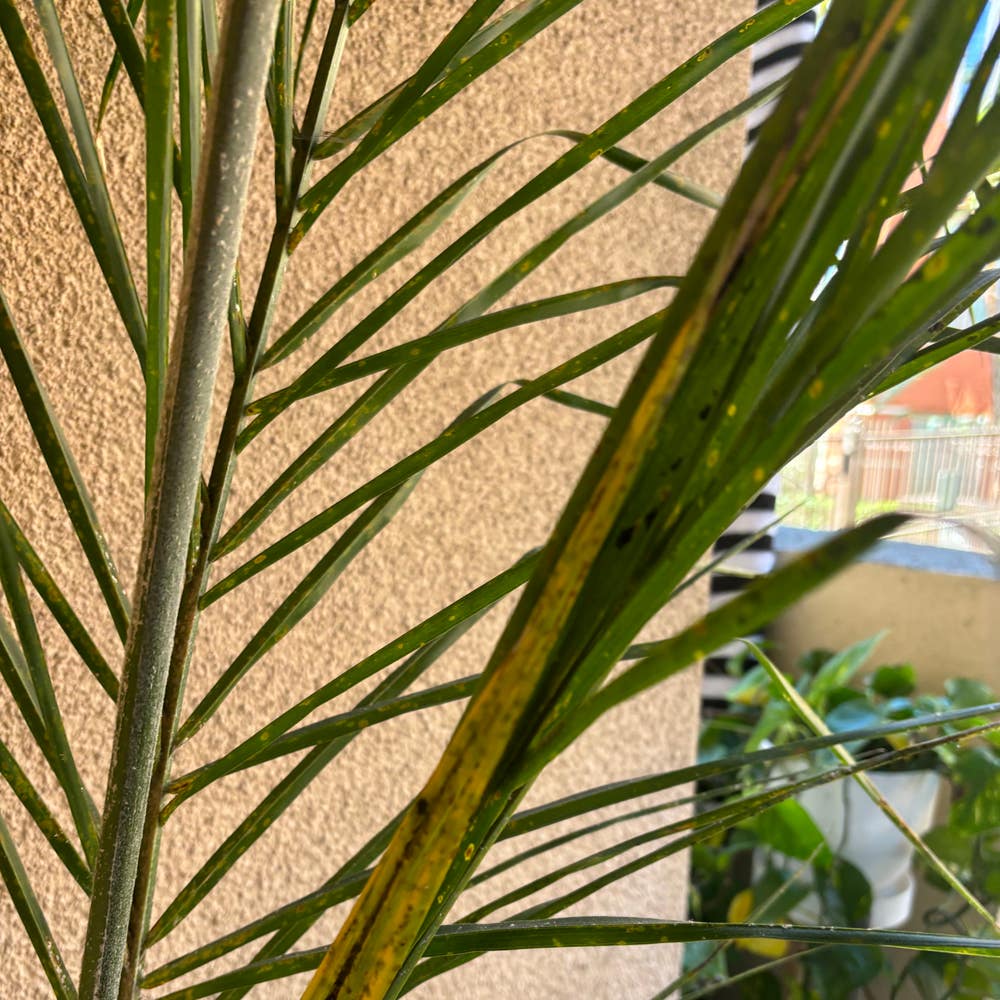
Ultimate Guide to Cocos Palm Roots 🥥
Syagrus comosa
By the Greg Editorial Team
Nov 23, 2024•7 min read
This article was created with the help of AI so we can cover more plants for you. May contain errors. See one? Report it here.
Master Cocos palm roots 🌴 to ensure vibrant growth and resilience in your garden! 🌱
- 🌱 Cocos palms thrive in sandy, well-draining soils with shallow, extensive roots.
- 🌬️ Roots reach 10 feet deep, providing stability against strong winds and environmental stress.
- 💧 Monitor moisture levels to prevent root rot and ensure healthy root development.
Root System Characteristics
Type of Root System 🌱
Cocos palms feature a fibrous root system that is both shallow and extensive. These roots spread horizontally, allowing the palm to adapt effectively to sandy, well-draining soils commonly found in coastal regions.
Specific Characteristics 🌳
The root structure consists of fine, dense roots that significantly enhance soil anchorage. In optimal conditions, these roots can reach depths of up to 10 feet, providing stability to the tall trunk and expansive canopy of the palm.
The extensive root system not only supports the palm's height but also helps it withstand strong winds and adverse weather conditions. This resilience is crucial for survival in coastal environments where these palms thrive.
Understanding the characteristics of Cocos palm roots is essential for proper care and maintenance. A healthy root system lays the foundation for a vibrant and thriving palm, making it vital to monitor and nurture these roots effectively.
As we delve deeper into the topic, let's explore the depth, spread, and growth patterns of these remarkable roots.
Depth, Spread, and Growth Patterns
Typical Depth and Spread 🌳
Cocos Palm roots can reach impressive depths of up to 10 feet when conditions are just right. This deep anchorage is complemented by a horizontal spread that extends several feet from the trunk, providing the palm with remarkable stability.
Growth Patterns 📈
Roots exhibit seasonal growth variations, responding dynamically to changes in temperature and moisture. Environmental factors, such as soil type and moisture levels, significantly influence root development, making it crucial to monitor these conditions for optimal growth.
Watering, Fertilizing, and Transplanting
💧 Impact on Watering Practices
Consistent moisture is crucial for the health of Cocos Palm roots. However, it's essential to avoid waterlogging, which can lead to root rot.
Overwatering is a common pitfall for many gardeners. The roots of Cocos Palms are particularly sensitive to poor drainage, making it vital to monitor soil moisture levels closely.
🌱 Fertilization Techniques
To promote optimal root health, using the right fertilizers is key. Look for balanced fertilizers that provide essential nutrients, and apply them according to the manufacturer's instructions.
Timing your fertilization is equally important. The best practices involve fertilizing during the growing season to support robust root development.
🌳 Best Practices for Transplanting
Transplanting can be a delicate process, and timing is everything. The ideal seasons for transplanting Cocos Palms are spring and early summer when the plant is actively growing.
Preparation is crucial before moving your palm. Ensure the new planting site is well-draining and has been amended with organic matter to support root establishment.
When transplanting, techniques to minimize root disturbance can make a significant difference. Gently loosen the root ball and avoid excessive handling to protect the delicate roots.
By following these guidelines, you can ensure your Cocos Palm thrives in its new environment. Next, let’s explore common root-related issues that may arise and how to address them effectively.
Common Root-Related Issues
Identifying Diseases 🌱
Root rot is a significant concern for Cocos Palm owners. Look for signs like yellowing leaves, wilting, or a general decline in vigor, which may indicate that the roots are suffering.
Other common root diseases include fungal infections that can compromise root health. These diseases often manifest through stunted growth or unusual leaf drop, signaling that your palm needs immediate attention.
Solutions for Root Problems 🛠️
Preventing root rot starts with good watering practices. Ensure your Cocos Palm has well-draining soil and avoid overwatering, as standing water can lead to root rot.
If you notice root-related issues, consider treatment options like fungicides or adjusting your watering schedule. Regularly inspect your palm for early signs of distress to tackle problems before they escalate.
By maintaining proper care and being vigilant, you can keep your Cocos Palm's roots healthy and thriving. Next, let’s explore how to assess root health indicators effectively.
Root Health Indicators
Visual Cues of Healthy Roots 🌱
Healthy roots are a vital sign of a thriving Cocos Palm. Look for roots that are firm, white or light tan in color, and exhibit a smooth texture.
These characteristics indicate that the roots are actively growing and effectively anchoring the plant. Healthy roots contribute significantly to the overall vitality of the palm, ensuring it can absorb nutrients and water efficiently.
Signs of Unhealthy Roots 🚨
Unhealthy roots can lead to a cascade of problems for your Cocos Palm. Watch for indicators such as wilting leaves, yellowing foliage, and stunted growth, which signal distress.
To assess root health, gently inspect the root system if possible. Signs of rot or decay, like a mushy texture or dark coloration, are red flags that require immediate attention.
Understanding these visual cues can help you maintain a healthy palm and prevent potential issues before they escalate. With a keen eye and regular checks, you can ensure your Cocos Palm remains vibrant and strong.
Next, we’ll explore how to manage rootbound conditions to keep your palm thriving in its environment.
Managing Rootbound Conditions
📖 Definition and Causes
A rootbound plant occurs when its roots grow too large for the container, leading to a cramped environment. This situation often arises from inadequate pot size, poor growth conditions, or neglecting to repot when necessary.
🔍 Recognizing Rootbound Plants
Identifying a rootbound Cocos Palm is crucial for its health. Look for roots growing out of drainage holes or circling around the pot's interior. Additionally, signs of stress include reduced growth and leaf drop, indicating the plant is struggling.
🛠️ Solutions for Rootbound Plants
1. Repotting
To safely repot a rootbound Cocos Palm, follow these steps:
- Choose a pot that is 2-4 inches larger in diameter.
- Gently remove the palm from its current pot, taking care not to damage the roots.
- Place the palm in the new pot, filling with fresh potting mix.
2. Root Pruning
Root pruning can help rejuvenate a rootbound plant. Use clean, sharp scissors to trim away any circling or damaged roots. This technique encourages new growth and helps the plant adapt to its new environment.
3. Choosing the Right Pot Size
Selecting the right pot size is essential for future growth. Aim for a pot that allows for at least 2 inches of space around the root ball. This extra room promotes healthy root expansion and prevents the plant from becoming rootbound again.
By addressing rootbound conditions promptly, you can ensure your Cocos Palm thrives and continues to flourish. Next, we’ll explore propagation and division techniques to further enhance your gardening skills.
Propagation and Division
🌱 Importance of Root Health
Healthy roots are the backbone of successful propagation. They ensure that new plants can establish themselves quickly and thrive in their new environments.
Conversely, propagating from unhealthy plants can lead to a host of problems. Weak roots may not support the new growth, resulting in stunted plants or even failure to thrive.
✂️ Techniques for Dividing Effectively
1. Timing
The best times to divide your Cocos Palm are during the growing season, typically in spring or early summer. This timing allows the plant to recover quickly and encourages robust new growth.
2. Tools Needed
To divide your palm effectively, gather the following tools:
- Sharp, clean spade or garden knife
- Pruning shears
- Gloves for protection
Having the right tools ensures a smooth and safe division process.
3. Step-by-Step Division Process
- Prepare the Area: Clear the surrounding soil to expose the root ball.
- Remove the Plant: Gently lift the palm from its pot or ground, being careful not to damage the roots.
- Inspect the Roots: Look for healthy, firm roots and identify where to divide.
- Divide the Roots: Use your spade or knife to cut through the root ball, ensuring each section has adequate roots.
- Replant Immediately: Place the divided sections into prepared soil, watering them thoroughly to help settle the roots.
Following these steps minimizes root damage and sets your Cocos Palm up for a successful new beginning.
With proper care and attention to root health, your propagation efforts can lead to thriving new plants. Next, let’s explore common root-related issues that may arise during this process.
⚠️ Safety First
This content is for general information and may contain errors, omissions, or outdated details. It is not medical, veterinary advice, or an endorsement of therapeutic claims.
Always consult a qualified healthcare professional before using any plant as food, medicine, or supplement.
Never eat any plant (or feed one to pets) without confirming its identity with at least two trusted sources.
If you suspect poisoning, call Poison Control (800) 222-1222, the Pet Poison Helpline (800) 213-6680, or your local emergency service immediately.
Spotted an error? Please report it here.
Nurture your Cocos palms to root for success 🌴 with Greg's tailored watering reminders and expert care tips that keep their roots healthy and thriving!