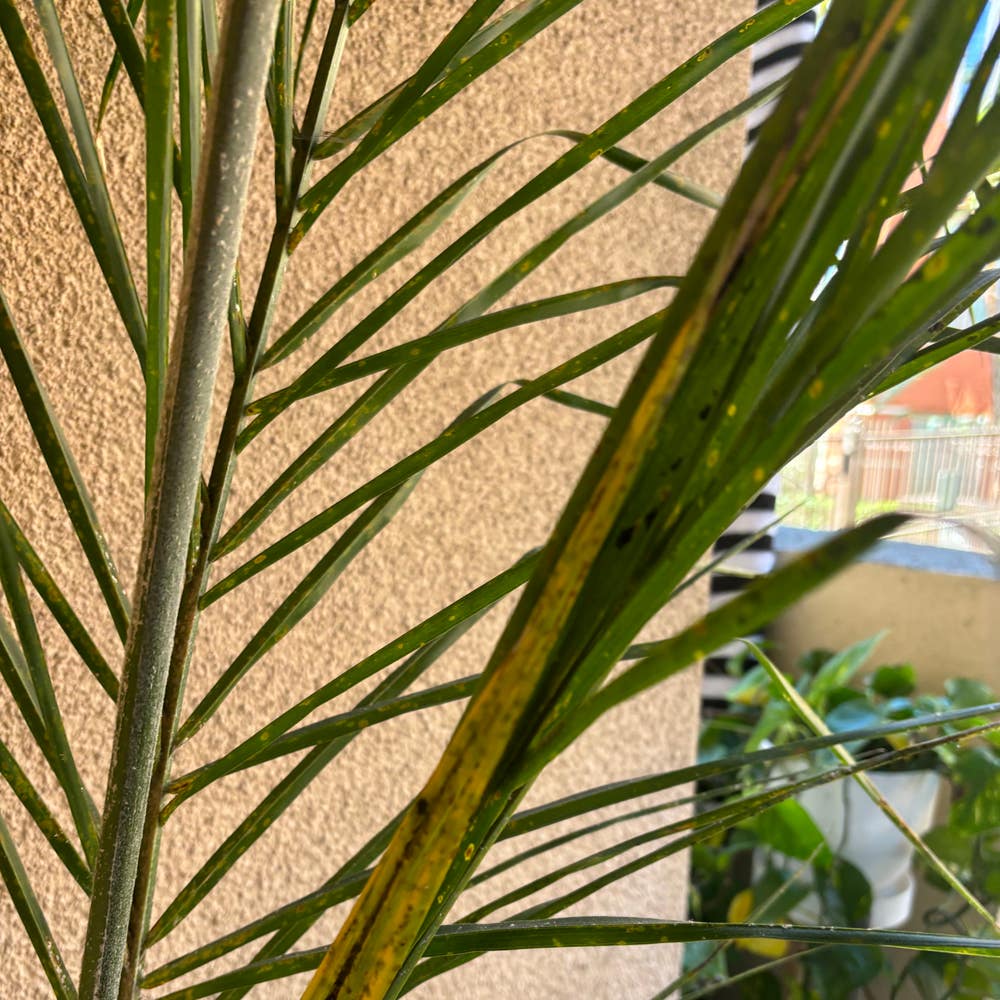
🌴 Step-by-Step Guide to Propagating Cocos Palm
Syagrus comosa
By the Greg Editorial Team
Nov 23, 2024•4 min read
This article was created with the help of AI so we can cover more plants for you. May contain errors. See one? Report it here.
Master plant propagation 🌱 to effortlessly grow a vibrant garden and enjoy lush greenery all year round!
- 🌱 Choose plump, fresh seeds for higher success in cocos palm propagation.
- 💧 Soak seeds for 24-48 hours to enhance germination rates effectively.
- ✂️ Use rooting hormone on cuttings to boost rooting success significantly.
Propagation Methods
🌱 Seed Propagation
Selecting Mature Seeds
Choosing the right seeds is crucial for successful propagation. Look for seeds that are plump, firm, and have a rich color, indicating they are mature and viable.
The ideal size for cocos palm seeds is typically around 1-2 inches in diameter, with a weight that feels substantial in your hand. Fresh seeds are essential; they have a significantly higher success rate compared to older, dried-out seeds.
Preparing Seeds for Planting
Before planting, clean the seeds by removing the outer husk. This step helps prevent mold and disease during germination.
Soak the seeds in warm water for 24-48 hours to kickstart the germination process. A temperature of around 30°C (86°F) is optimal for soaking, as it encourages the seeds to absorb moisture.
Scarification can also enhance germination rates. Gently nicking the seed coat allows moisture to penetrate more easily, promoting quicker sprouting.
Germination Process
Expect the germination process to take between 3 to 6 months. Patience is key, as the seeds need time to develop.
For the best results, maintain a temperature range of 25-30°C (77-86°F) with high humidity levels. This environment mimics the natural conditions where cocos palms thrive.
Keep the planting medium consistently moist but not soggy. Regularly check moisture levels to ensure your seeds have the best chance of sprouting.
✂️ Cutting Propagation
Choosing the Right Cutting
When selecting cuttings, aim for healthy, mature fronds that are at least 6-12 inches long and thick enough to support rooting.
The best time to take cuttings is during the growing season, typically in spring or early summer, when the plant is most vigorous.
Preparing Cuttings for Rooting
Use angled cuts to increase the surface area of the cutting, which can enhance rooting potential.
Trim any excess foliage to reduce transpiration stress, allowing the cutting to focus its energy on developing roots.
Rooting Hormone Application
Rooting hormones can significantly boost your success rate. You can choose between powder and gel forms, both of which are effective.
Apply the hormone by either dipping the cut end into the powder or gel. Timing is crucial; apply the hormone immediately after cutting to maximize effectiveness.
💧 Water Propagation
Setting Up Water Propagation
Select a container that is stable and large enough to support the cuttings without overcrowding. Glass jars or small vases work well.
Use distilled or rainwater to ensure the best water quality. This prevents any chemicals from tap water that could hinder root development.
Position the cuttings in the water so they are stable and not touching the bottom of the container, which can lead to rot.
Monitoring Root Development
Look for signs of successful rooting, such as healthy, white roots that are at least a few inches long.
Root establishment typically takes about 2-4 weeks. During this time, change the water regularly to keep it clean and prevent rot.
Transplanting Rooted Cuttings
Transplant your rooted cuttings when the roots are 2-3 inches long. This is the ideal size for successful transfer to soil.
Prepare a well-draining soil mix, ideally a blend of potting soil and perlite. This ensures the young plants have the right environment to thrive.
When transplanting, handle the roots gently to minimize disturbance. This helps the plant acclimate better to its new home.
⚠️ Common Challenges
Low Germination Rates
Several factors can affect germination rates, including seed quality and environmental conditions.
To improve success, consider pre-soaking seeds and using scarification techniques to enhance moisture absorption.
Issues with Cutting Rot
Cutting rot often results from overwatering or poor drainage.
To prevent this, use a well-draining soil mix and monitor watering closely, ensuring the soil dries out slightly between waterings.
Environmental Stress Factors
Temperature fluctuations can significantly impact growth. Aim to keep your plants in a stable environment to avoid stress.
Humidity stress can also affect your plants. Keep an eye out for signs like wilting or browning leaves, and adjust humidity levels as needed.
📝 Tips for Successful Propagation
Timing for Propagation
The best seasons for propagation are spring and early summer when conditions are most favorable for growth.
Consider aligning your planting with the lunar calendar, as some gardeners believe this can enhance growth.
Tools and Materials Needed
Essential tools for propagation include pruning shears, pots, rooting hormone, and containers.
Invest in quality potting mix and ensure you have a reliable water source for optimal results.
Best Practices for Monitoring Growth
Regularly check on your seedlings and cuttings to monitor their progress.
Documenting your propagation journey in a journal can help you track what works and what doesn’t, allowing for adjustments based on your observations.
⚠️ Safety First
This content is for general information and may contain errors, omissions, or outdated details. It is not medical, veterinary advice, or an endorsement of therapeutic claims.
Always consult a qualified healthcare professional before using any plant as food, medicine, or supplement.
Never eat any plant (or feed one to pets) without confirming its identity with at least two trusted sources.
If you suspect poisoning, call Poison Control (800) 222-1222, the Pet Poison Helpline (800) 213-6680, or your local emergency service immediately.
Spotted an error? Please report it here.
Propagating your cocos palm can be rewarding 🌴 with Greg's personalized tips and reminders to ensure your seeds and cuttings thrive every step of the way!