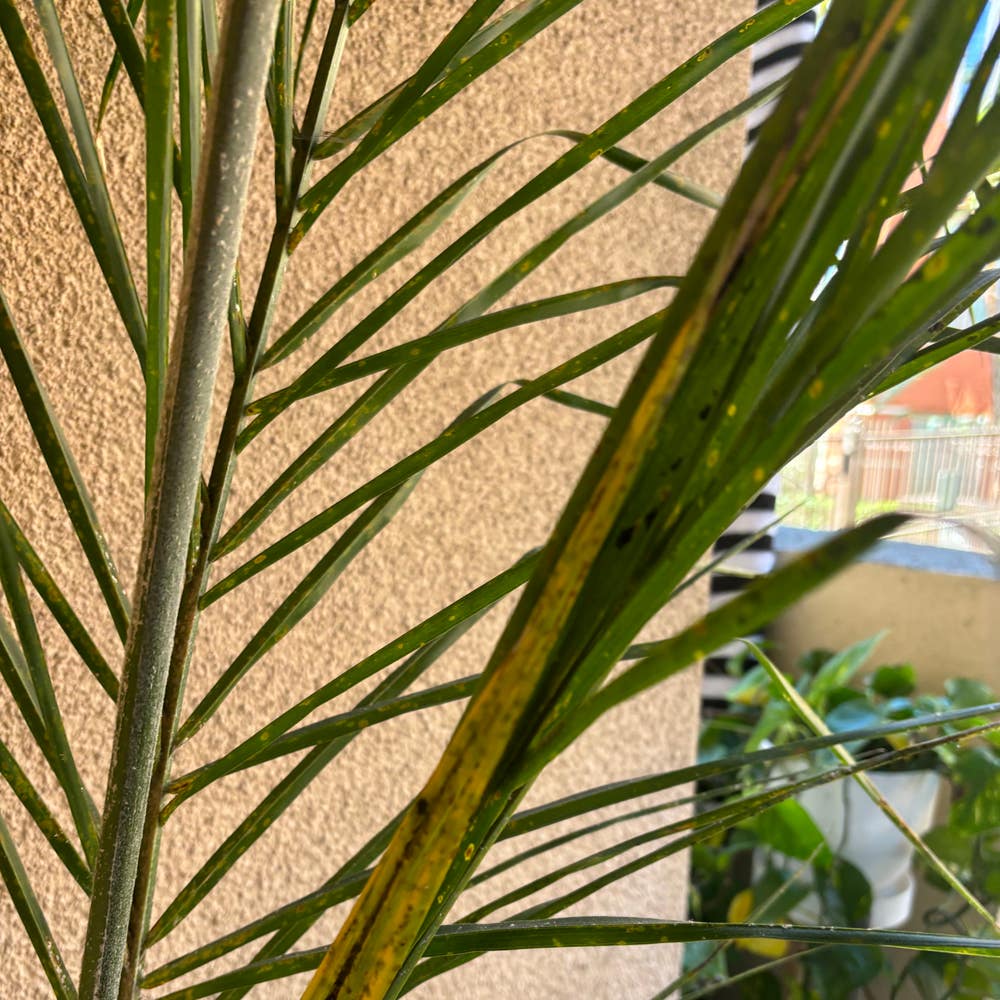
4 Tips for Choosing Soil for Your Cocos Palm 🌴
Syagrus comosa
By the Greg Editorial Team
Nov 23, 2024•6 min read
This article was created with the help of AI so we can cover more plants for you. May contain errors. See one? Report it here.
Unlock vibrant growth for your Cocos Palm by mastering essential soil care techniques! 🌱✨
- 🌱 Healthy soil is vital; check for mold, compaction, and odors to ensure quality.
- 🧪 Moisture tests reveal soil health; it should crumble easily when squeezed.
- 🌿 Ideal soil mix: 50% coarse sand, 30% peat moss, 20% organic compost for Cocos Palm.
Identifying Unhealthy Soil
Signs of Unhealthy Soil 🌱
Identifying unhealthy soil is crucial for the health of your Cocos Palm. Look out for moldy soil, which often indicates overwatering or poor aeration.
Compaction is another red flag; hard, dense soil restricts root growth and can stunt your palm's development. Additionally, foul odors signal anaerobic conditions, suggesting that the soil is not properly aerating.
How to Test Soil Health for Cocos Palm 🔍
Testing soil health is straightforward and can be done with a few simple methods. Start with a visual inspection—check for mold, compaction, and the overall color of the soil.
Next, perform a moisture test. Squeeze a handful of soil; it should crumble easily rather than form a ball, indicating proper moisture levels.
Solutions for Unhealthy Soil Conditions 🛠️
If you discover moldy soil, there are effective remedies to restore health. Allow the soil to dry out between waterings to prevent further mold growth, and consider replacing any moldy soil with a fresh mix.
For compacted soil, aeration is key. Use a garden fork to loosen the soil, and enhance its texture by adding organic matter, which can improve drainage and nutrient retention.
By addressing these issues, you can create a thriving environment for your Cocos Palm. Next, let’s explore how to create a homemade soil mix tailored to its needs.
Creating a Homemade Soil Mix
Step-by-Step Guide to Making a Soil Mix for Cocos Palm 🌱
Creating the perfect soil mix for your Cocos Palm is straightforward and rewarding. Start by gathering your materials: coarse sand, peat moss, and organic compost.
Next, mix these components in a large container. Aim for a combination of 50% sand, 30% peat moss, and 20% compost.
Finally, check for consistency. The mix should be crumbly and well-aerated, ensuring your palm has the ideal environment to thrive.
Recommended Ingredients for a Balanced Soil Mix 🥗
To achieve a balanced soil mix, consider these key ingredients:
- Coarse sand or perlite: These materials enhance drainage, preventing waterlogging.
- Peat moss or coconut coir: Both options retain moisture, crucial for your palm's health.
- Organic compost: This provides essential nutrients, supporting robust growth.
Using these ingredients will create a nurturing environment for your Cocos Palm.
Tips for Adjusting Soil Texture and Nutrients ⚙️
Adjusting your soil mix can optimize growth based on local conditions. For instance, tweak the ratios of sand and compost depending on your climate.
Consider adding slow-release fertilizers to boost nutrient levels. Additionally, incorporating worm castings can enrich the soil with organic matter, promoting healthy root development.
With these tips, you'll ensure your Cocos Palm flourishes in its homemade soil mix.
As you prepare your soil, remember that the right mix sets the foundation for a thriving plant. Next, let's explore soil amendments and enhancements to further support your Cocos Palm's growth.
Soil Amendments and Enhancements
🌱 Common Soil Amendments for Cocos Palm
To ensure your Cocos Palm thrives, consider incorporating specific soil amendments.
- Perlite: This lightweight material significantly improves drainage, preventing waterlogging.
- Vermiculite: It enhances moisture retention, making it easier for your palm to access water during dry spells.
- Bone meal: A fantastic source of phosphorus, it supports robust root development and flowering.
💧 How to Improve Soil Drainage and Aeration
Proper drainage and aeration are crucial for healthy Cocos Palm growth.
- Mix in coarse materials: Adding gravel or pumice can help create air pockets, allowing excess water to escape.
- Create raised beds: This technique promotes better water flow and prevents roots from sitting in soggy soil.
🌿 Nutrient Requirements Specific to Cocos Palm
Understanding the nutrient needs of your Cocos Palm is essential for its vitality.
- Nitrogen: Vital for lush foliage, it helps your palm maintain its vibrant green color.
- Phosphorus: Crucial for root and flower development, it ensures your palm grows strong and produces beautiful blooms.
- Potassium: This nutrient supports overall plant health, enhancing disease resistance and stress tolerance.
By focusing on these amendments and nutrient requirements, you can create an optimal environment for your Cocos Palm. This foundation will set the stage for the next section, where we’ll explore recommended soil pH levels for optimal growth.
Recommended Soil pH Levels for Optimal Growth
Maintaining the right soil pH is crucial for your Cocos palm's health. The ideal pH range is between 6.0 and 7.0, which is slightly acidic to neutral.
⚖️ Importance of pH Balance
A balanced pH level ensures that essential nutrients are available for absorption. If the pH is too high or too low, your palm may struggle to thrive, leading to nutrient deficiencies.
🔬 How to Test Soil pH
Testing your soil's pH is straightforward. You can use pH test kits or meters, which are widely available at garden centers.
- Collect a soil sample from the root zone of your Cocos palm.
- Follow the kit instructions to mix the soil with water and test solution.
- Compare the color change to the provided chart to determine your soil's pH.
Regular testing helps you stay ahead of any potential issues.
⚙️ Adjusting Soil pH
If your soil pH is outside the ideal range, adjustments can be made.
- To raise pH (make it more alkaline), add lime.
- To lower pH (make it more acidic), incorporate sulfur or organic matter like peat moss.
By keeping an eye on your soil's pH, you can ensure your Cocos palm gets the nutrients it needs to flourish.
With the right pH balance, your palm will be well on its way to vibrant growth and health. Next, let’s explore how seasonal changes affect soil care for your Cocos palm.
Seasonal Soil Considerations
🌦️ Adjusting Soil Care with Seasonal Changes
Monitoring soil moisture is crucial throughout the year. Different seasons bring varying temperatures and humidity levels, which directly affect how often you should water your Cocos Palm.
In warmer months, you may need to increase watering frequency, while cooler months often require less. Keeping an eye on the soil's moisture will help you maintain a healthy balance.
🌱 Preparing Soil for Cocos Palm During Different Growth Phases
Spring is the perfect time to fertilize and refresh your soil mix. As your Cocos Palm begins its growth phase, adding nutrients will support robust foliage and root development.
During summer, heavy rains can lead to waterlogged soil. Ensure adequate drainage by checking for any standing water and adjusting your soil mix if necessary.
In the fall, it's time to prepare your palm for dormancy. Reduce watering to help the plant transition smoothly into this quieter phase.
❄️ Winter Care for Cocos Palm Soil
Winter can be tough on your Cocos Palm, especially if temperatures drop. Protect the soil from freezing by covering it with mulch, which also helps retain moisture.
During dormancy, it's essential to reduce watering frequency to prevent root rot. Your palm will appreciate the care you take to keep its roots healthy during this resting period.
With these seasonal considerations, your Cocos Palm will thrive year-round. Next, let’s explore the recommended soil pH levels for optimal growth.
⚠️ Safety First
This content is for general information and may contain errors, omissions, or outdated details. It is not medical, veterinary advice, or an endorsement of therapeutic claims.
Always consult a qualified healthcare professional before using any plant as food, medicine, or supplement.
Never eat any plant (or feed one to pets) without confirming its identity with at least two trusted sources.
If you suspect poisoning, call Poison Control (800) 222-1222, the Pet Poison Helpline (800) 213-6680, or your local emergency service immediately.
Spotted an error? Please report it here.
Transform your Cocos Palm's soil into a lush paradise 🌴 with Greg's tailored reminders and nutrient tips that ensure your plant thrives all year round!