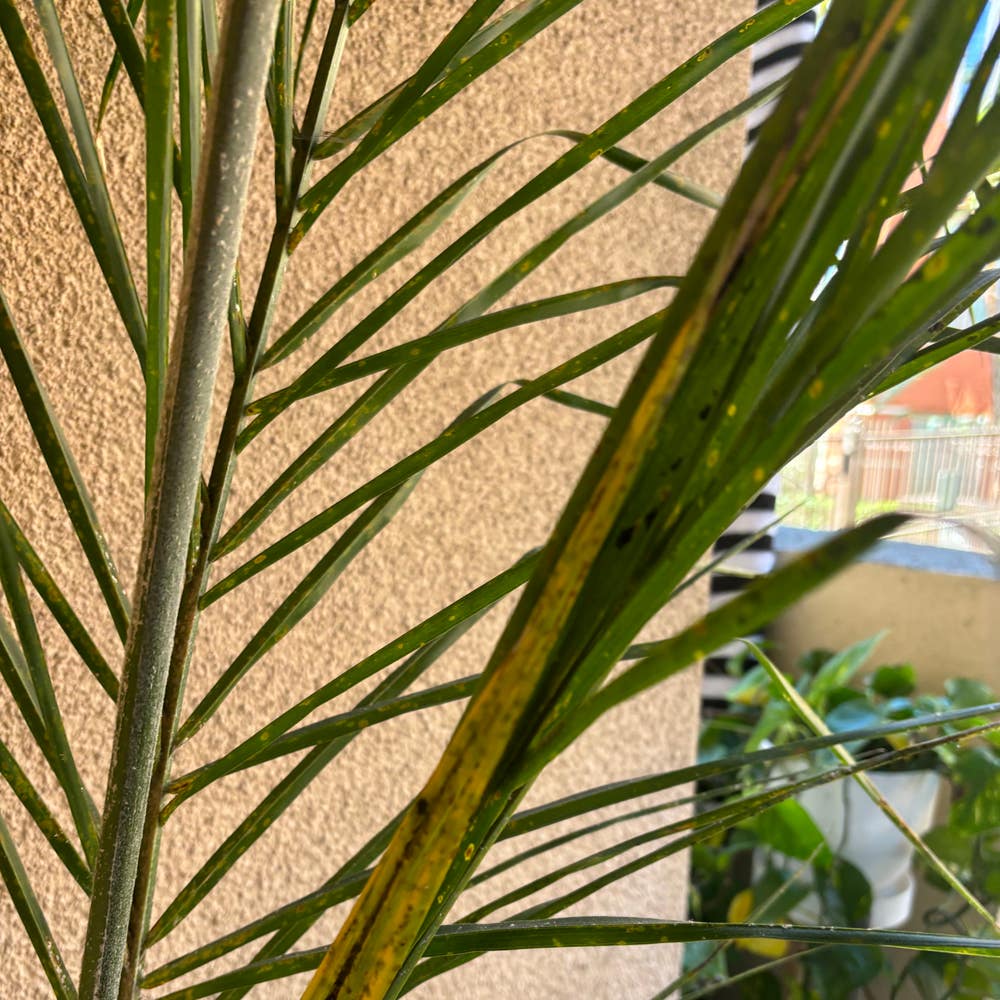
🌴 4 Tips for Growing Cocos Palm
Syagrus comosa
By the Greg Editorial Team
Nov 23, 2024•5 min read
This article was created with the help of AI so we can cover more plants for you. May contain errors. See one? Report it here.
Cultivate a thriving Cocos Palm 🌴 with expert tips on location, soil, and care for a tropical oasis at home!
- ☀️ Cocos Palms need 6-8 hours of full sun daily for optimal growth.
- 🌱 Well-draining sandy loam soil with pH 5.0-8.0 is ideal for Cocos Palms.
- 💧 Water deeply once a week and fertilize every 2-3 months for robust growth.
Site Selection and Soil Preparation
🌞 Choosing the Right Location
To grow a healthy Cocos Palm, start by selecting a location that receives full sun exposure for at least 6-8 hours daily. Additionally, consider planting near structures or other plants to provide protection from strong winds, which can damage the palm.
🌱 Soil Requirements and Preparation Techniques
Cocos Palms thrive in well-draining sandy loam soil. Aim for a soil pH between 5.0 and 8.0 for optimal growth.
Preparation Steps
- Clear the area: Remove weeds and debris to create a clean planting site.
- Amend the soil: Mix in organic matter to enhance drainage and nutrient content.
- Test soil pH: Use a soil test kit and adjust the pH if necessary to ensure it falls within the ideal range.
🚰 Importance of Drainage
Good drainage is crucial for the health of your Cocos Palm. Poor drainage can lead to root rot and other diseases that can jeopardize your plant's survival.
Techniques to Enhance Drainage
- Raised beds: Elevate the planting area to improve water flow.
- Planting on mounds: Create mounds to naturally facilitate drainage away from the roots.
By carefully selecting the right location and preparing the soil properly, you set the stage for a thriving Cocos Palm. Next, let’s explore effective planting techniques to ensure your palm gets off to a strong start.
Planting Techniques
Step-by-Step Guide to Planting 🌱
Planting your Cocos Palm is straightforward and rewarding. Start by digging a hole that is twice the width and depth of the root ball.
Next, position the palm so that the top of the root ball is level with the soil surface. This ensures proper growth and stability.
After positioning, backfill the hole with a mix of native soil and organic matter. This combination enhances nutrient availability and drainage.
Finally, water the palm thoroughly after planting to eliminate any air pockets. This step is crucial for establishing strong roots.
Best Practices for Planting in Containers vs. Outdoors 🪴
When planting in containers, choose a large pot with adequate drainage holes. This prevents water accumulation, which can lead to root rot.
Use a well-draining potting mix to give your palm the best start. For outdoor planting, ensure you space your palms at least 10-15 feet apart from other plants. This spacing allows for healthy growth and airflow.
Spacing and Depth Considerations 📏
For optimal growth, it's recommended to space Cocos Palms 20-30 feet apart. This distance helps prevent competition for nutrients and sunlight.
Ensure the root ball is not buried too deep. Proper depth is essential to prevent suffocation and promote healthy root development.
With these planting techniques, your Cocos Palm will thrive in its new home. Next, let’s explore how to care for your palm through proper watering and fertilizing.
Watering and Fertilizing
💧 Watering Requirements
Cocos palms thrive with consistent moisture, so aim to water deeply once a week. In dry conditions, increase frequency to ensure your palm remains hydrated.
Watch for signs of overwatering, such as yellowing fronds or root rot. These indicators can signal that your watering routine needs adjustment.
🌱 Best Practices for Fertilizing
To keep your cocos palm healthy, fertilize every 2-3 months during the growing season. This regular feeding helps support robust growth and vibrant foliage.
Opt for slow-release fertilizers with balanced NPK ratios. These fertilizers provide a steady supply of nutrients, promoting overall plant health.
🥬 Recommended Fertilizers and Application Frequency
Consider using specific products like 10-10-10 or 8-2-10 formulations. These options deliver the essential nutrients your palm needs.
When applying fertilizer, spread it evenly around the base of the palm, taking care to avoid direct contact with the trunk. This method ensures that the roots can absorb nutrients effectively without risking damage.
With proper watering and fertilizing, your cocos palm will flourish, setting the stage for the next steps in its care.
Pruning and Maintenance
Importance of Pruning for Health 🌿
Pruning is essential for the health of your Cocos Palm. It promotes healthy growth, removes dead or damaged fronds, and improves air circulation, which can prevent disease.
How to Prune Effectively ✂️
Tools Needed
To prune effectively, use clean, sharp pruning shears or a saw. This ensures clean cuts that minimize damage to the plant.
Timing
Prune during the growing season for the best results. This is when the palm can recover quickly from any cuts.
Techniques
- Remove Dead Fronds: Cut at the base to eliminate any dead growth.
- Trim Excess Growth: Maintain a balanced shape by selectively trimming excess fronds.
Ongoing Care and Maintenance Tips 🧑🌾
Regular inspections are crucial for identifying pests and diseases early. Make it a habit to check your palm frequently.
Adjust your watering based on seasonal rainfall. This ensures your Cocos Palm receives the right amount of moisture without the risk of overwatering.
By following these pruning and maintenance tips, you’ll keep your Cocos Palm thriving and looking its best. Next, let’s explore common challenges and solutions to ensure your palm continues to flourish.
Common Challenges and Solutions
🐛 Identifying Common Pests and Diseases
Caring for your Cocos Palm can come with its share of challenges. Common pests include the coconut weevil, scale insects, and spider mites, all of which can wreak havoc on your palm's health.
Diseases like leaf blight and root rot can also pose serious threats. Recognizing these issues early is key to maintaining a thriving palm.
🛠️ Solutions for Overcoming Growth Challenges
Effective pest management is crucial for your palm's longevity. Consider using insecticidal soap or neem oil to tackle infestations without harming the environment.
For disease prevention, ensure proper watering and drainage. This simple step can significantly reduce the risk of root rot and other moisture-related issues.
🌱 Tips for Managing Environmental Stressors
Environmental stressors can impact your palm's growth. To protect against frost, use frost cloths or bring potted palms indoors during cold snaps.
Addressing nutrient deficiencies is also essential. Regular soil testing can guide your fertilization efforts, ensuring your palm gets the nutrients it needs to flourish.
With these strategies in mind, you can confidently tackle the challenges of growing Cocos Palms. Next, let’s explore the importance of pruning and maintenance for optimal health.
⚠️ Safety First
This content is for general information and may contain errors, omissions, or outdated details. It is not medical, veterinary advice, or an endorsement of therapeutic claims.
Always consult a qualified healthcare professional before using any plant as food, medicine, or supplement.
Never eat any plant (or feed one to pets) without confirming its identity with at least two trusted sources.
If you suspect poisoning, call Poison Control (800) 222-1222, the Pet Poison Helpline (800) 213-6680, or your local emergency service immediately.
Spotted an error? Please report it here.
Cultivate a thriving Cocos Palm 🌴 with Greg's tailored watering reminders and expert tips that ensure your palm gets the sunlight and nutrients it craves!