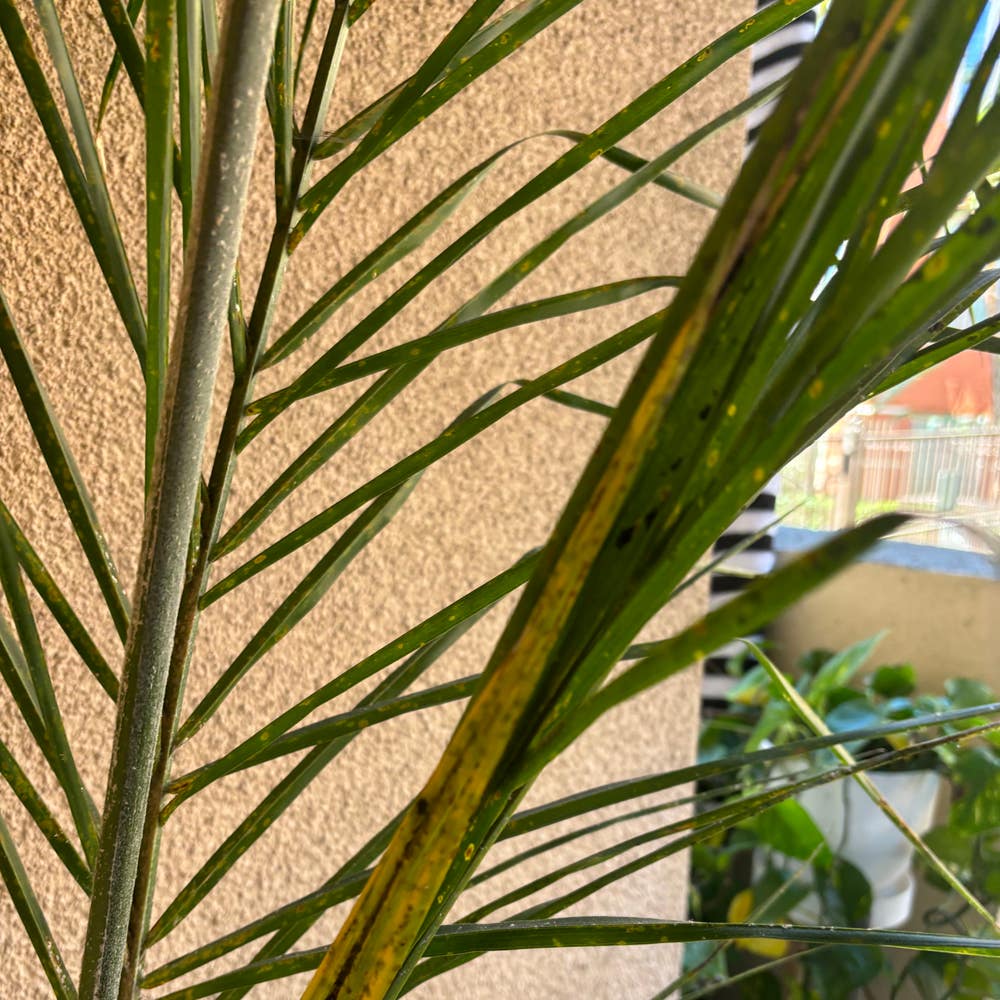
How and When to Pollinate Cocos Palm 🐝
Syagrus comosa
By the Greg Editorial Team
Nov 23, 2024•6 min read
This article was created with the help of AI so we can cover more plants for you. May contain errors. See one? Report it here.
Discover how mastering Cocos Palm pollination 🌴 can transform your garden into a thriving ecosystem! 🌼
- 🌼 Cocos Palms have unique male and female flowers, enhancing self-pollination opportunities.
- 🐝 Pollinators like bees and butterflies are crucial for Cocos Palm reproductive success.
- 🌱 Hand pollination boosts fruit production, requiring knowledge of flower structure and timing.
Flower Structure
Description of Flower Characteristics 🌼
Cocos Palm flowers are small and creamy-white, beautifully clustered together. Each inflorescence features distinct male and female flowers, making them unique in their reproductive strategy.
Role in Pollination 🐝
The close proximity of male and female flowers significantly boosts the chances of self-pollination. Additionally, the appealing color and scent of these flowers attract various pollinator species, enhancing their reproductive success.
With their charming appearance and enticing fragrance, Cocos Palm flowers play a crucial role in the ecosystem. Understanding their structure and function is essential for anyone interested in effective pollination practices.
As we delve deeper into the pollination process, we’ll explore how these flowers interact with their environment and the vital role of pollinators.
Pollination Process
Self-Pollination Mechanisms 🌱
Cocos Palm flowers have a unique advantage: they can self-pollinate. Pollen from the abundant male flowers can easily fertilize the female flowers on the same inflorescence, maximizing reproductive success.
Self-pollination is favored under specific conditions, such as when pollinator activity is low or environmental factors are less than ideal. This adaptability ensures that the Cocos Palm can thrive even in challenging circumstances.
Primary Pollinators 🐝
While self-pollination is effective, Cocos Palms also rely on various pollinators to enhance genetic diversity. Key pollinators include:
- Bees: These busy insects are crucial for transferring pollen between flowers, ensuring effective fertilization.
- Butterflies: Attracted to the sweet nectar, butterflies contribute significantly to cross-pollination.
- Moths and Hummingbirds: Both play essential roles in interacting with Cocos Palm flowers, especially during twilight hours.
These pollinators not only help with reproduction but also support the overall health of the ecosystem.
Attraction Strategies 🌼
To attract these vital pollinators, Cocos Palms employ several effective strategies. The flowers produce enticing scents and rich nectar, drawing in bees, butterflies, and other species.
Timing is also crucial; flowering is often synchronized with peak pollinator activity. This ensures that when the flowers bloom, the pollinators are ready to do their work, creating a harmonious cycle of growth and reproduction.
Understanding these processes is essential for anyone looking to cultivate Cocos Palms successfully. With the right knowledge, you can enhance pollination efforts and contribute to the health of these remarkable plants.
Next, we will explore natural pollination mechanisms and their importance for the Cocos Palm's reproduction.
Natural Pollination
🌬️ Pollen Transfer Mechanisms
Natural pollination in Cocos Palm primarily relies on wind and insect activity. These mechanisms work together to ensure that pollen moves efficiently from male to female flowers.
Environmental factors play a crucial role in facilitating this process. For instance, a gentle breeze can carry pollen over distances, while the presence of pollinators like bees and butterflies enhances the likelihood of successful fertilization.
🍍 Importance for Reproduction
Pollination is vital for fruit production and seed viability in Cocos Palm. Without effective pollination, the chances of producing healthy fruits diminish significantly.
Moreover, pollination contributes to the genetic diversity of Cocos Palm populations. This diversity is essential for resilience against diseases and environmental changes, ensuring the long-term survival of these beautiful palms.
In summary, understanding the natural pollination process not only highlights its importance for Cocos Palm reproduction but also emphasizes the need to support pollinator populations. Next, we’ll explore hand pollination techniques that can further enhance fruit production.
Hand Pollination Techniques
Hand pollination can be a rewarding process, especially for Cocos Palm enthusiasts. Here’s a straightforward guide to ensure your efforts yield fruitful results.
📝 Step-by-Step Instructions
Identify Male and Female Flower Parts:
Male flowers are typically more numerous and positioned lower on the inflorescence. In contrast, female flowers are fewer and found higher up.Collecting Pollen:
Use a small brush or cotton swab to gently gather pollen from the male flowers. This method minimizes damage while ensuring you collect enough pollen for effective transfer.Transferring Pollen:
Carefully apply the collected pollen to the stigma of the female flowers. This step is crucial for successful fertilization.Optimal Timing:
Timing is everything! Aim to perform hand pollination during the flowering season when the flowers are most receptive.
🌱 Ensuring Successful Fertilization
To maximize the chances of successful fertilization, follow these best practices:
Monitor Flower Development: Keep an eye on the flowers after pollination. Look for signs of fruit development, which indicates successful fertilization.
Repeat if Necessary: If you don’t see results, don’t hesitate to repeat the process. Sometimes, multiple attempts are needed to achieve success.
By following these steps, you can enhance the reproductive success of your Cocos Palm. This hands-on approach not only boosts fruit production but also deepens your connection to these remarkable plants.
As you embark on this pollination journey, remember that every effort contributes to the health and vitality of your garden. Next, let’s explore how to support pollinators in your environment for even better results.
Supporting Pollinators
🌼 Creating a Pollinator-Friendly Environment
To support the vital role of pollinators in your garden, start by enhancing their habitat. One effective strategy is to plant native flowering plants that bloom at different times throughout the year. This ensures a continuous food source for pollinators, keeping them engaged and thriving.
Additionally, providing water sources and shelter can make your garden a haven for these essential creatures. Simple features like birdbaths or small ponds can attract bees and butterflies, while dense shrubs or small trees offer refuge from predators and harsh weather.
🌱 Recommended Companion Plants
Choosing the right companion plants can significantly boost your garden's appeal to pollinators. Here are some excellent options:
- Marigolds: Their vibrant colors and easy care make them a favorite among gardeners and pollinators alike.
- Lavender: Not only does it smell divine, but its nectar-rich flowers are irresistible to bees and butterflies.
- Nectar-rich plants: Consider adding a variety of flowering plants that produce ample nectar to attract a diverse range of pollinators.
By incorporating these plants into your garden, you create a lively ecosystem that supports pollinators and enhances the beauty of your space.
As you cultivate a pollinator-friendly environment, remember that every small effort counts. The next section will delve into the challenges pollinators face and how you can help overcome them.
Pollination Challenges
Common Obstacles 🐝
Pollination success can be hindered by various environmental factors. Temperature fluctuations, humidity levels, and seasonal variations can disrupt the delicate balance needed for effective pollination.
Additionally, the decline in pollinator populations poses a significant challenge. Habitat loss and pesticide use have led to fewer bees, butterflies, and other essential pollinators, making it harder for Cocos Palms to reproduce effectively.
Solutions for Overcoming Challenges 🌱
Gardeners can take proactive steps to mitigate these challenges. One effective strategy is adjusting planting times based on local climate conditions to align with peak pollinator activity.
Implementing organic gardening practices is another vital solution. By avoiding harmful pesticides and creating a welcoming environment, you can help protect and support local pollinator populations, ensuring a healthier ecosystem for your Cocos Palms.
With these strategies, you can enhance pollination success and contribute to the vitality of your garden. Next, let’s explore how to create a pollinator-friendly environment that supports these essential species.
⚠️ Safety First
This content is for general information and may contain errors, omissions, or outdated details. It is not medical, veterinary advice, or an endorsement of therapeutic claims.
Always consult a qualified healthcare professional before using any plant as food, medicine, or supplement.
Never eat any plant (or feed one to pets) without confirming its identity with at least two trusted sources.
If you suspect poisoning, call Poison Control (800) 222-1222, the Pet Poison Helpline (800) 213-6680, or your local emergency service immediately.
Spotted an error? Please report it here.
Boost your Cocos Palm's fruit production 🍍 by using Greg's tailored reminders for optimal pollination times and tips to attract the right pollinators!