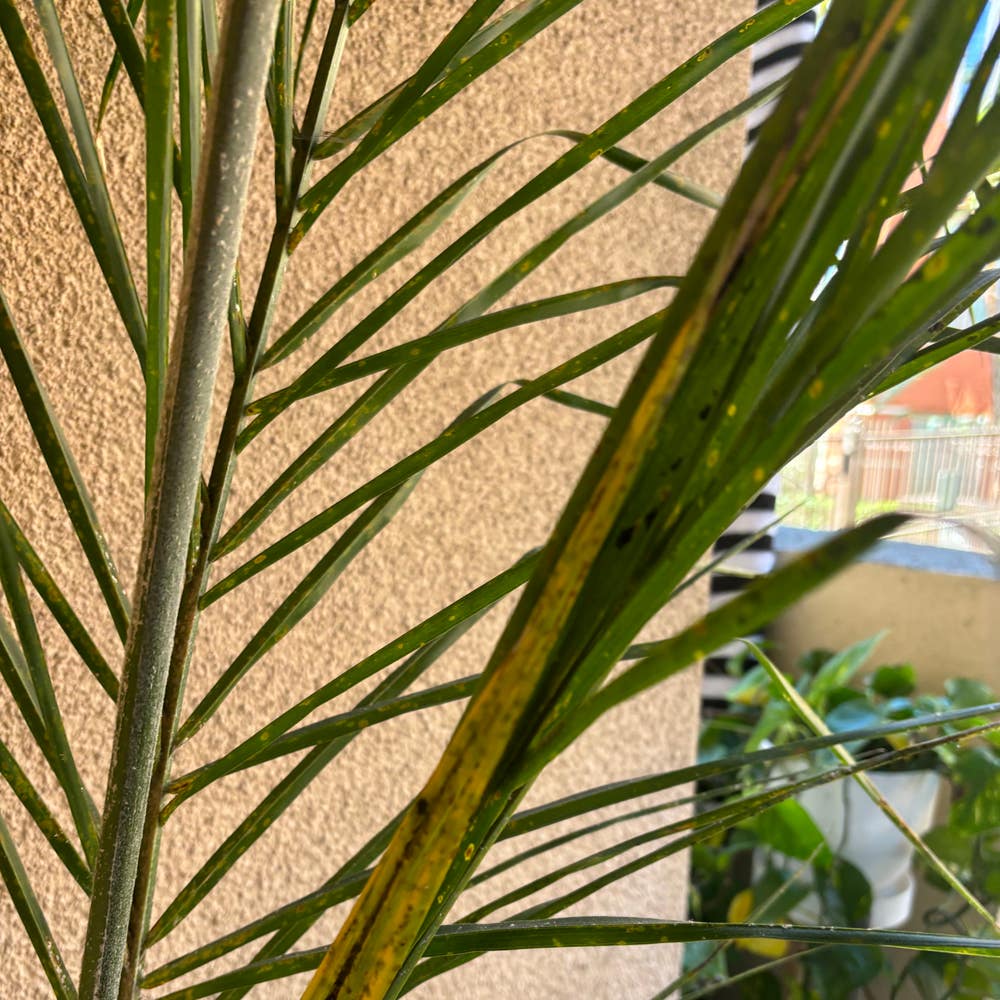
Cocos Palm Is Not Considered a Weed
Syagrus comosa
By the Greg Editorial Team
Nov 23, 2024•5 min read
This article was created with the help of AI so we can cover more plants for you. May contain errors. See one? Report it here.
Elevate your garden's beauty 🌴 while nurturing local wildlife with the incredible Cocos palm! 🌿
- 🌴 Cocos palms grow tall and striking, reaching up to 30 meters in height.
- 🐦 They support local wildlife by providing food and habitat for various species.
- 🌊 Ideal for coastal gardens, cocos palms thrive in sandy, well-drained soils.
Growth Habits
🌱 Typical Patterns in Gardens
Cocos palms are truly impressive, reaching heights of up to 30 meters (98 feet) with a trunk diameter of approximately 30-50 cm (12-20 inches). Their fronds can extend up to 5 meters (16 feet), creating a striking visual in any garden.
These palms thrive in sandy soils and well-drained environments. They are particularly tolerant of salt spray, making them ideal for coastal landscaping where other plants might struggle.
🌊 Natural Limits to Growth and Spread Potential
While cocos palms are robust, their seed germination requires specific moisture and temperature conditions. This means they won't just sprout anywhere, which helps keep their spread in check.
Additionally, natural barriers such as soil type and salinity limit their growth potential. These factors ensure that while they can flourish in suitable environments, they won't become invasive or uncontrollable.
With their unique growth habits, cocos palms can be a stunning addition to your garden, offering both beauty and functionality. Next, let's explore their ecological role and the benefits they bring to local ecosystems.
Ecological Role
Benefits in Ecosystems 🌿
Cocos palms play a vital role in their ecosystems by providing food and habitat for various wildlife. The coconuts they produce serve as a nutritious food source for birds, insects, and other animals, while the fronds offer essential shelter and nesting sites.
Positive Interactions with Local Wildlife 🦋
These palms also attract beneficial species that enhance biodiversity. Pollinators like bees and butterflies are drawn to the flowers, while birds flock to the trees for both food and shelter, creating a lively and thriving environment.
Incorporating Cocos palms into your garden not only beautifies the space but also supports local wildlife. This symbiotic relationship fosters a healthier ecosystem, making it a win-win for both nature and your garden design.
As we explore garden management strategies, consider how these palms can seamlessly integrate into your landscape while benefiting the surrounding environment.
Garden Management
Incorporating into Designs 🌴
Cocos palms thrive in tropical and subtropical gardens, making them a fantastic choice for adding a touch of paradise to your landscape. They can serve as stunning focal points or provide ample shade, enhancing the overall aesthetic of your outdoor space.
When planting, aim for a spacing of 10-15 feet apart to allow for optimal growth. Consider companion planting with other non-invasive species to create a harmonious garden environment that supports biodiversity.
Growth Control Methods for Aesthetic Purposes ✂️
To maintain the beauty of your cocos palm, regular pruning is essential. Trim fronds to keep the tree's shape looking tidy and remove any dead or damaged fronds to promote healthy growth.
Managing the height of your cocos palm is also crucial, especially in relation to surrounding structures and plants. This consideration ensures that your garden remains visually appealing and functional.
Incorporating cocos palms into your garden design not only elevates the landscape but also contributes to a vibrant ecosystem. Next, let’s explore how these palms compare to other plants in terms of their unique qualities and benefits.
Comparison to Other Plants
🌿 Similar Non-Invasive Plants
When considering alternatives to the Cocos Palm, two notable non-invasive plants come to mind: the Areca Palm and the Queen Palm. Both of these options share similar aesthetic qualities and growth habits, making them excellent companions in tropical and subtropical gardens.
🌟 Unique Qualities in Garden Settings
The Cocos Palm stands out with its iconic appearance and tropical vibe. Its ability to produce coconuts adds functional value, providing not just beauty but also a source of food for both humans and wildlife.
Incorporating the Cocos Palm into your garden design can create a stunning focal point while supporting local ecosystems. Its unique characteristics make it a desirable choice for those looking to enhance their outdoor spaces with a touch of the tropics.
As we explore the legal and environmental considerations surrounding the Cocos Palm, it’s essential to understand how it fits into sustainable gardening practices.
Legal and Environmental Considerations
Relevant Classifications and Guidelines 🌍
When considering the Cocos Palm for your garden, it's essential to be aware of local regulations. Many regions have specific guidelines regarding the planting and maintenance of this palm, especially in coastal areas where they thrive.
Responsible sourcing is also crucial. Always check that your Cocos Palm comes from a reputable supplier to ensure it’s not contributing to environmental degradation.
Role in Sustainable Gardening Practices ♻️
Cocos Palms play a vital role in supporting biodiversity. They provide food and habitat for local wildlife, enhancing the overall health of ecosystems.
To promote sustainable care, consider using organic fertilizers and natural pest management techniques. This approach not only benefits your plants but also encourages natural growth patterns while minimizing chemical use.
By integrating these practices, you can enjoy the beauty of Cocos Palms while contributing positively to your local environment.
As you plan your garden, remember that every choice impacts the ecosystem. Embrace sustainable gardening to create a thriving habitat for both plants and wildlife.
⚠️ Safety First
This content is for general information and may contain errors, omissions, or outdated details. It is not medical, veterinary advice, or an endorsement of therapeutic claims.
Always consult a qualified healthcare professional before using any plant as food, medicine, or supplement.
Never eat any plant (or feed one to pets) without confirming its identity with at least two trusted sources.
If you suspect poisoning, call Poison Control (800) 222-1222, the Pet Poison Helpline (800) 213-6680, or your local emergency service immediately.
Spotted an error? Please report it here.
Enhance your garden's beauty and support local wildlife with cocos palms 🌿, and let Greg guide you with tailored care tips to ensure they thrive sustainably in your outdoor space!