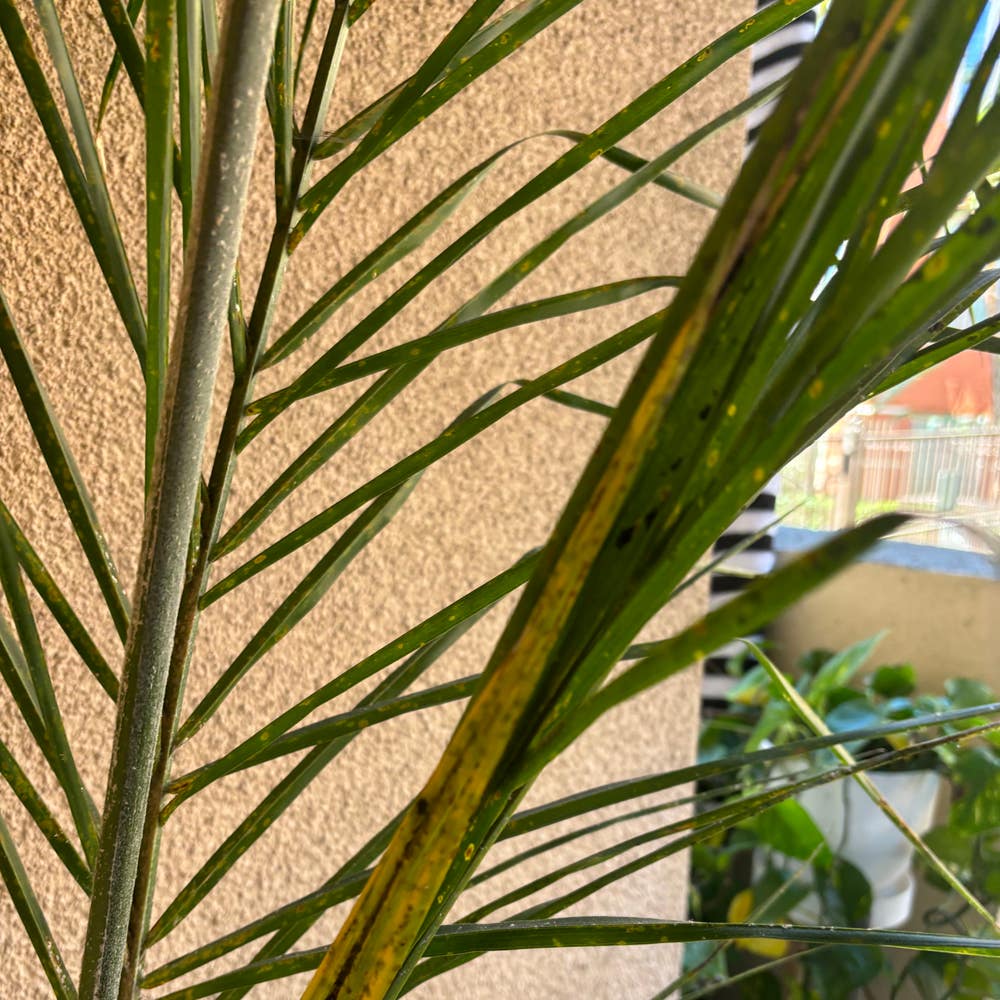
What It Means When Your Cocos Palm Wilts 😢
Syagrus comosa
By the Greg Editorial Team
Nov 23, 2024•6 min read
This article was created with the help of AI so we can cover more plants for you. May contain errors. See one? Report it here.
Transform your wilting Cocos Palm 🌴 into a thriving beauty with essential tips for diagnosis and care!
- 💧 Wilting in Cocos Palms often signals water stress from underwatering or overwatering.
- ☀️ Heat stress causes wilting; protect palms from excessive sunlight and high temperatures.
- 🦠 Fungal infections like root rot can lead to wilting; inspect and treat promptly.
Common Causes of Wilting Leaves
💧 Water Stress
Wilting leaves on your Cocos Palm often signal water stress. Look for drooping fronds, dry leaf tips, and yellowing leaves as key symptoms.
Underwatering
Infrequent watering can lead to dry soil, causing your palm to wilt. Make sure to check the soil moisture regularly to avoid this issue.
Overwatering
Conversely, overwatering creates waterlogged soil, which can result in root rot. This condition is just as detrimental, so finding the right balance is crucial.
🔥 Heat Stress
Heat stress is another common culprit behind wilting. Symptoms include browning leaf edges and wilting during peak sunlight hours.
Excessive Sunlight Exposure
Direct sunlight during the hottest part of the day can scorch your palm. If you notice wilting, consider the sun's intensity and duration.
High Ambient Temperatures
Prolonged exposure to temperatures above 30°C (86°F) can also lead to heat stress. Keep an eye on the weather to protect your plant from extreme conditions.
🦠 Disease-Related Wilting
While diseases can cause wilting, they are less common than water or heat stress.
Fungal Infections
Fungal infections, particularly root rot from overwatering, are the most frequent disease-related issues.
Bacterial Infections
Bacterial infections are less common but can occur in stressed plants. However, it's important to note that pathogenic wilt is usually not the primary cause of wilting.
Understanding these common causes of wilting leaves is essential for effective diagnosis and treatment. Next, we’ll explore how to diagnose wilting in your Cocos Palm effectively.
Diagnosing Wilting
Step-by-Step Guide 🌱
Diagnosing wilting in your Cocos Palm starts with assessing your watering routine. Check the soil moisture levels to determine if your palm is getting the right amount of water.
Next, evaluate the environmental conditions. Consider the temperature and light exposure to ensure your palm isn’t suffering from heat stress.
Inspect for pests or diseases by looking for signs of infection or infestation. This step is crucial as early detection can prevent further damage.
Finally, check for physical damage. Examine the fronds for any tears or browning that could indicate underlying issues.
Signs to Look For 👀
Keep an eye out for leaf color changes, such as yellowing or browning. These changes can signal that your palm is not thriving.
Also, pay attention to leaf texture. Soft or mushy leaves often indicate overwatering, which can lead to root rot.
Lastly, observe growth patterns. Stunted growth or drooping fronds are clear signs that something is off with your palm's health.
By following these steps and recognizing these signs, you can effectively diagnose the cause of wilting in your Cocos Palm. This proactive approach will help you take the necessary actions to restore your palm's vitality.
Solutions for Wilting Leaves
🌊 Addressing Water Stress
Water stress is a common issue for Cocos Palms, and it can be easily remedied.
For underwatering: Water your palm thoroughly until moisture drains from the bottom of the pot. This simple action can quickly revive your plant.
For overwatering: Allow the soil to dry out before rewatering. If you suspect root rot, consider repotting your palm in well-draining soil to promote healthier growth.
☀️ Addressing Heat Stress
Heat stress can also lead to wilting leaves, especially during the hottest parts of the day.
Relocate your palm to a shadier area during peak sunlight hours. This small adjustment can significantly reduce stress on the plant.
Use shade cloth to protect your palm from direct sunlight if it's outdoors. This will help maintain a more stable temperature and prevent further wilting.
🦠 Addressing Disease-Related Wilting
If your palm is wilting due to disease, prompt action is essential.
Identify and treat fungal infections with appropriate fungicides. This can help restore your palm's health and prevent further damage.
Remove affected fronds to stop the spread of disease. Keeping your plant clean and healthy is crucial for its recovery.
🌱 Techniques for Reviving a Wilted Palm
Reviving a wilted palm can be straightforward with the right techniques.
Bottom watering: Place the pot in a tray of water for 30 minutes to allow the roots to absorb moisture. This method is effective and easy to implement.
Temporary relocation: Move your palm to a more suitable environment with stable conditions. This can help it recover more quickly.
Pruning damaged leaves: Use clean, sharp tools to remove any dead or dying fronds. This not only improves appearance but also encourages new growth.
By addressing these issues promptly, you can help your Cocos Palm regain its vitality. Next, let's explore preventive measures to keep your palm healthy and thriving.
Preventive Measures
Best Practices 🌱
Establishing a consistent watering schedule is crucial for your Cocos Palm's health. Water your palm when the top inch of soil feels dry to the touch, ensuring it receives the right amount of moisture without becoming waterlogged.
Monitoring environmental conditions is equally important. Keep an eye on temperature and humidity levels, as fluctuations can stress your palm and lead to wilting.
Environmental Adjustments 🌞
Proper drainage is essential for preventing root rot and other issues. Use pots with drainage holes and fill them with well-draining soil to promote healthy root growth.
Adjusting light exposure can also make a significant difference. Gradually acclimate your palm to brighter light if you're moving it indoors or outdoors, helping it adapt without shock.
By implementing these preventive measures, you can create a thriving environment for your Cocos Palm. This proactive approach not only enhances its resilience but also ensures that you enjoy its beauty for years to come.
Next, we'll explore when to seek professional help for your palm if problems persist.
When to Seek Help
Signs That Professional Help is Needed 🌿
If your Cocos Palm continues to wilt despite your best efforts, it may be time to call in the experts. Persistent wilting, even after adjusting watering and environmental conditions, can indicate deeper issues.
Look for signs of severe disease or pest infestation. If you notice unusual spots, mold, or a sudden increase in pests, these are clear signals that professional intervention is necessary.
Resources for Owners 🏪
Local nurseries can be a treasure trove of information. They often provide expert advice and may offer treatments tailored to your specific plant's needs.
Additionally, consider engaging with online communities dedicated to Cocos Palm care. These platforms allow you to share experiences, ask questions, and gain insights from fellow plant enthusiasts who have faced similar challenges.
By leveraging these resources, you can ensure your Cocos Palm receives the best possible care and support.
⚠️ Safety First
This content is for general information and may contain errors, omissions, or outdated details. It is not medical, veterinary advice, or an endorsement of therapeutic claims.
Always consult a qualified healthcare professional before using any plant as food, medicine, or supplement.
Never eat any plant (or feed one to pets) without confirming its identity with at least two trusted sources.
If you suspect poisoning, call Poison Control (800) 222-1222, the Pet Poison Helpline (800) 213-6680, or your local emergency service immediately.
Spotted an error? Please report it here.
Revive your wilting Cocos Palm and keep it thriving 🌴 with Greg's tailored watering reminders and expert care tips that ensure your palm stays happy and healthy!