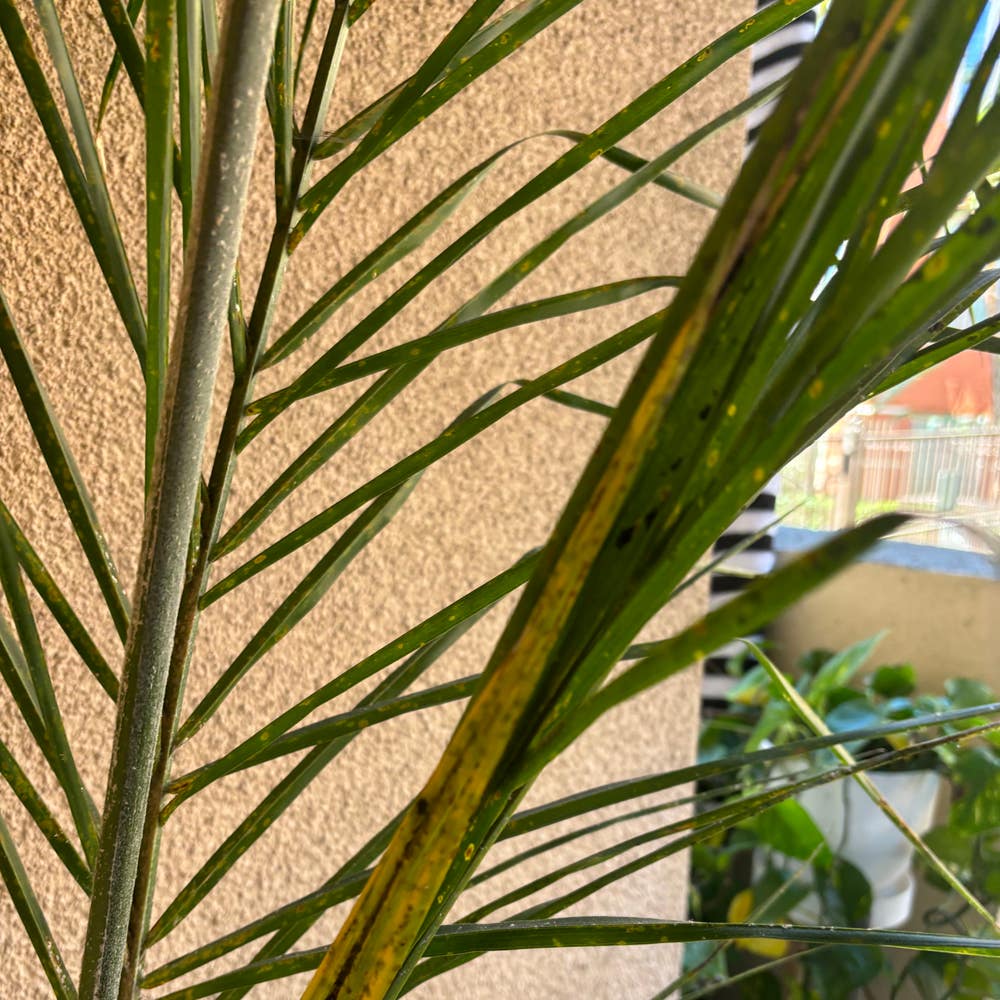
🌴 Step-by-Step Guide to Companion Planting with Cocos Palm
Syagrus comosa
By the Greg Editorial Team
Nov 23, 2024•5 min read
This article was created with the help of AI so we can cover more plants for you. May contain errors. See one? Report it here.
Elevate your garden's beauty 🌿 and health by discovering the best companion plants for your Cocos Palm!
- 🌴 Companion planting with Cocos Palm enhances garden health and aesthetics.
- 🍌 Banana plants provide shade and moisture, ideal companions for Cocos Palm.
- 🌼 Certain plants deter pests, promoting natural pest management for Cocos Palm.
Best Companion Plants for Cocos Palm
🌱 Description of Suitable Companion Plants
Plant 1: Banana
Bananas are a fantastic choice for companion planting with Cocos Palm. Their fast-growing nature and large leaves provide essential shade and help retain moisture in the soil.
Additionally, banana plants attract pollinators and beneficial insects, enhancing the overall health of your garden ecosystem.
Plant 2: Pineapple
Pineapples thrive in similar sandy, well-drained soils, making them an excellent companion for Cocos Palm. Their spiky leaves not only add visual interest but also act as a natural pest repellent.
This dual benefit makes pineapple a smart addition to your tropical garden.
Plant 3: Sweet Potato
Sweet potatoes serve as a wonderful ground cover, effectively suppressing weeds while retaining soil moisture. Plus, they offer the bonus of edible tubers, providing an additional harvest alongside your Cocos Palm.
This combination of practicality and productivity makes sweet potatoes a must-have companion.
🌿 Explanation of Why These Plants Thrive with Cocos Palm
Similar Care Needs
All three companion plants—banana, pineapple, and sweet potato—share similar care requirements. They thrive in full sun and well-draining soil, making them easy to maintain alongside Cocos Palm.
Pest Repellent Properties
Certain companion plants, like pineapple, can deter pests that typically affect Cocos Palm. This natural pest management strategy helps keep your garden healthy and thriving.
Visual Appeal and Aesthetic Benefits
Integrating these plants creates a lush, tropical garden design filled with diverse textures and colors. The combination enhances the visual appeal of your outdoor space, making it a vibrant oasis.
With the right companions, your Cocos Palm can flourish, creating a stunning and productive garden. Next, let’s explore which plants to avoid near Cocos Palm to ensure optimal growth and health.
Plants to Avoid Near Cocos Palm
🌱 Description of Plants That Should Not Be Planted Near Cocos Palm
When planning your garden, it's crucial to know which plants to avoid near your Cocos Palm. Certain grasses, like Bermuda grass, and invasive species such as bamboo can create significant challenges.
These plants often compete for resources, overshadowing the Cocos Palm and stunting its growth. Their aggressive nature can lead to a tangled mess, making maintenance a headache.
🚫 Reasons for Avoidance
🥴 Competition for Nutrients
Many unsuitable plants can deplete the soil of essential nutrients. This competition can leave your Cocos Palm struggling to thrive, as it needs ample resources to grow tall and strong.
🐜 Pest Attraction
Some plants may inadvertently attract pests that could harm your Cocos Palm. For instance, certain flowering plants can lure in insects that are detrimental to the health of your palm, leading to potential infestations.
By steering clear of these problematic companions, you can ensure your Cocos Palm flourishes in a healthy, supportive environment. Next, let’s explore effective pest management strategies to keep your garden thriving.
Pest Management Strategies
🌱 Role of Companion Plants in Pest Management
Companion plants play a crucial role in natural pest management. By strategically planting certain species alongside your Cocos Palm, you can deter pests without resorting to chemical pesticides.
These plants can emit scents or produce compounds that repel harmful insects. For instance, some flowering companions attract beneficial predators, like ladybugs, which feast on pests that threaten your palm.
🌍 Benefits of Using Companion Planting as a Sustainable Pest Control Method
Using companion planting is not just eco-friendly; it’s also a smart gardening strategy. This method promotes biodiversity, which can lead to a healthier garden ecosystem.
Moreover, companion plants can enhance soil health and improve overall plant resilience. This means your Cocos Palm and its companions can thrive together, creating a vibrant, pest-resistant environment.
🐞 Specific Pests That Affect Cocos Palm
Cocos Palms are susceptible to several pests, with the coconut weevil and scale insects being the most common. These pests can cause significant damage if left unchecked.
Coconut weevils bore into the trunk, weakening the palm, while scale insects suck sap, leading to yellowing leaves. Recognizing these threats early is key to maintaining a healthy palm.
🌿 How Selected Companion Plants Help Mitigate These Pest Issues
Certain companion plants can help combat these pests effectively. For example, marigolds are known to repel coconut weevils with their strong scent.
Additionally, planting herbs like basil or mint can deter scale insects. By incorporating these companions, you create a natural barrier against pests, ensuring your Cocos Palm remains healthy and thriving.
Incorporating these pest management strategies will not only protect your Cocos Palm but also enhance the overall health of your garden. Next, let’s explore which plants to avoid near your palm to ensure optimal growth and health.
Designing a Companion Planting Garden
🌱 Tips for Integrating Companion Plants with Cocos Palm
When planning your companion planting garden, consider the spacing needs of your Cocos Palm. These palms can grow quite large, so ensure that companion plants have enough room to thrive without competing for resources.
Select plants that complement the height and spread of the Cocos Palm. Taller companions like bananas can provide shade, while lower-growing plants such as sweet potatoes can fill in the ground layer, creating a balanced look.
🗺️ Layout Ideas for Maximizing Garden Diversity
Arranging your companion plants around the Cocos Palm is crucial for optimal growth. Place taller plants on the north side to avoid shading shorter ones, ensuring all receive adequate sunlight.
For visual appeal, mix textures and colors. Group plants with similar water and sunlight needs together, creating a harmonious and diverse garden that attracts pollinators and enhances the tropical vibe.
📅 Seasonal Considerations for Companion Planting
Timing is everything when planting companions with Cocos Palm. The best time to plant is during the warm season when the risk of frost has passed, allowing for robust growth.
Seasonal care is essential to maintain plant health and diversity. Regularly check moisture levels and adjust watering as needed, especially during dry spells, to keep your garden thriving year-round.
With these tips, you can create a vibrant companion planting garden that not only supports your Cocos Palm but also enhances your outdoor space. Next, let’s explore effective pest management strategies to keep your garden healthy and flourishing.
⚠️ Safety First
This content is for general information and may contain errors, omissions, or outdated details. It is not medical, veterinary advice, or an endorsement of therapeutic claims.
Always consult a qualified healthcare professional before using any plant as food, medicine, or supplement.
Never eat any plant (or feed one to pets) without confirming its identity with at least two trusted sources.
If you suspect poisoning, call Poison Control (800) 222-1222, the Pet Poison Helpline (800) 213-6680, or your local emergency service immediately.
Spotted an error? Please report it here.
Transform your garden into a tropical paradise 🌴 with companion planting for Cocos Palm, and let Greg guide you with tailored care reminders to keep your plants thriving!