☀️ Ultimate Guide to Temperature for Cocos Palm
Syagrus comosa
By the Greg Editorial Team
Nov 23, 2024•2 min read
This article was created with the help of AI so we can cover more plants for you. May contain errors. See one? Report it here.
Ensure your Cocos palm thrives 🌴 by mastering its ideal temperature range for vibrant growth and resilience!
- 🌡️ Cocos palms thrive between 70°F and 95°F for optimal growth and health.
- ❄️🔥 Temperature extremes below 32°F or above 95°F can cause significant stress and damage.
- 💧 Humidity is crucial for Cocos palms, helping them withstand temperature fluctuations effectively.
Temperature Requirements for Cocos Palm
Ideal Temperature Range for Optimal Growth 🌡️
Cocos palms thrive best in temperatures ranging from 70°F to 95°F (21°C to 35°C). Maintaining this ideal temperature range is crucial for promoting healthy frond development and overall plant vigor.
These palms flourish in warm, humid environments typical of tropical coastal areas. Such conditions not only support growth but also enhance the palm's resilience against various stressors.
Temperature Thresholds for Cocos Palm Survival 🚨
Understanding critical temperature limits is essential for the survival of Cocos palms. Temperatures below 32°F (0°C) pose a significant risk of damage, while those above 95°F (35°C) can lead to heat stress.
Short-term exposure to temperatures below 50°F (10°C) can induce stress, impacting growth. Conversely, long-term exposure to temperatures exceeding 100°F (38°C) can severely hinder the palm's development.
Signs and Symptoms of Temperature Stress ⚠️
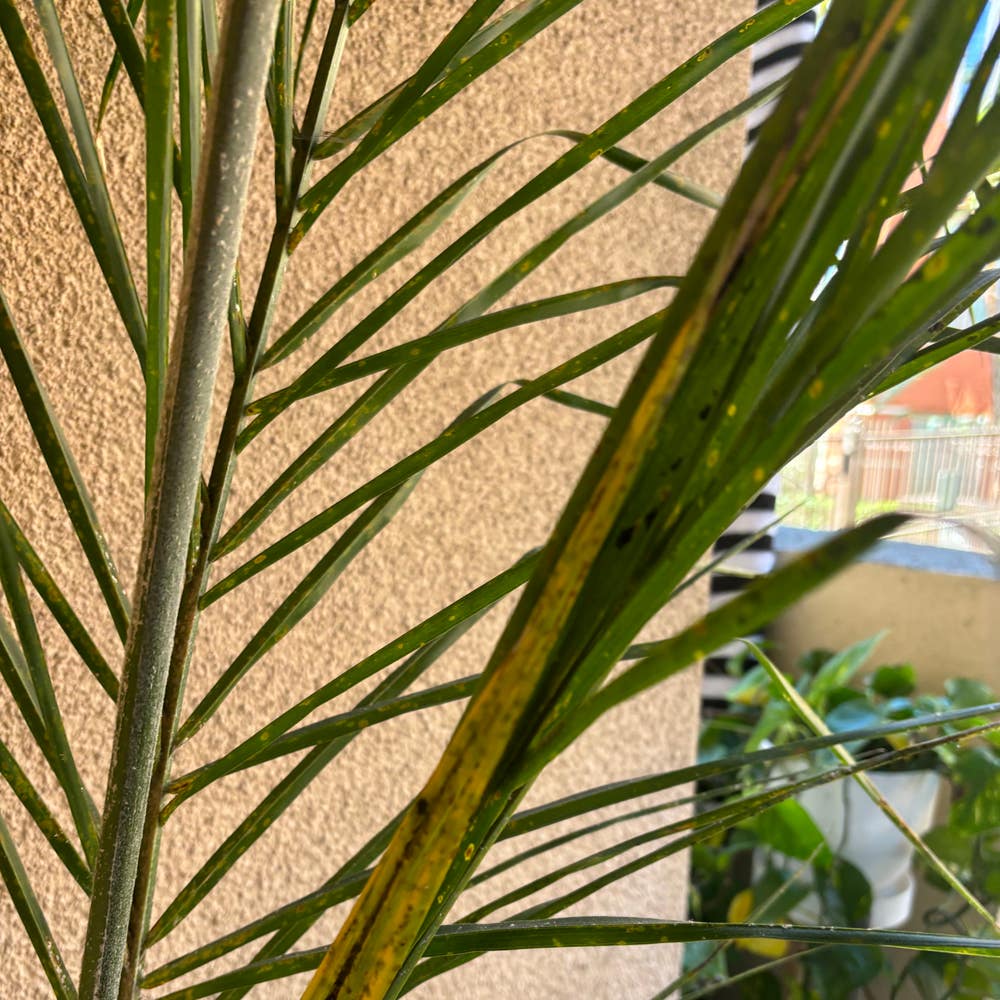
Recognizing the signs of temperature stress is vital for timely intervention. Cold stress manifests through yellowing or browning of fronds, wilting or drooping leaves, and premature leaf drop.
On the other hand, heat stress can be identified by leaf burn, characterized by brown tips and edges. Stunted growth and increased susceptibility to pests and diseases are also common indicators of heat-related issues.
Causes of Temperature Stress 🌪️
Temperature stress can arise from various environmental factors. Cold snaps, or sudden drops in temperature, are particularly damaging during winter months.
Heat waves, marked by prolonged periods of extreme heat, can also stress Cocos palms. Additionally, rapid temperature fluctuations between hot and cold can exacerbate these stress effects, making it crucial to monitor conditions closely.
Brief Mention of Humidity 💧
Humidity plays a significant role in supporting the temperature resilience of Cocos palms. Maintaining moderate to high humidity levels can buffer temperature extremes and mitigate stress effects.
By ensuring optimal humidity, you can help your palms thrive even in challenging temperature conditions. This balance is essential for their overall health and vitality.
In the next section, we will explore the signs and symptoms of temperature stress in more detail, helping you identify when your Cocos palm needs attention.
⚠️ Safety First
This content is for general information and may contain errors, omissions, or outdated details. It is not medical, veterinary advice, or an endorsement of therapeutic claims.
Always consult a qualified healthcare professional before using any plant as food, medicine, or supplement.
Never eat any plant (or feed one to pets) without confirming its identity with at least two trusted sources.
If you suspect poisoning, call Poison Control (800) 222-1222, the Pet Poison Helpline (800) 213-6680, or your local emergency service immediately.
Spotted an error? Please report it here.
Keep your Cocos palm thriving 🌴 by using Greg's personalized care reminders to maintain its ideal temperature range of 70°F to 95°F for optimal growth!